
Organizing a business trip often means juggling endless details, strict budgets, and high expectations from your organization. It’s easy to feel overwhelmed when faced with complex policies, documentation requirements, and the need for cost-effective decisions that actually deliver results. If you need to increase your trip’s impact while avoiding common pitfalls, you are not alone.
This guide breaks down the most effective business travel planning strategies used by successful professionals. You’ll discover actionable steps to set clear objectives, manage expenses, and safeguard your trip against unexpected challenges. Each point is designed to help you save time, reduce stress, and bring concrete results back to your organization.
Get ready to learn the exact methods that make business travel more strategic and rewarding than ever.
Table of Contents
- 1. Define Trip Objectives And Required Outcomes
- 2. Set Clear Travel Policies And Budget Limits
- 3. Use Travel Comparison Tools For Best Deals
- 4. Book Flexible Options For Flights And Hotels
- 5. Prepare Essential Documents And Backup Plans
- 6. Coordinate Transportation And Local Services
- 7. Review Itinerary And Communicate With Travelers
Quick Summary
| Key Message | Explanation |
|---|---|
| 1. Define Clear Objectives | Establish measurable trip goals to align travel with organizational priorities and maximize investment. |
| 2. Implement Travel Policies | Create comprehensive guidelines to control expenses and set budget limits for corporate travel. |
| 3. Use Comparison Tools | Leverage online tools to compare travel options, ensuring cost-effectiveness and optimal choices. |
| 4. Book Flexible Options | Choose adaptable booking arrangements to allow for changes and minimize financial risks. |
| 5. Prepare Essential Documents | Ensure all necessary documents are ready, with backups to mitigate potential disruptions during travel. |
1. Define Trip Objectives and Required Outcomes
Successful business trips start with crystal-clear objectives that transform wandering into strategic movement. Understanding and articulating your precise travel goals creates a roadmap that maximizes every minute and dollar invested in corporate travel.
Business travel isn’t just about showing up – it’s about delivering specific strategic outcomes. Establishing measurable trip goals helps you align your travel with broader organizational priorities. These objectives typically fall into several key categories:
- Securing new business partnerships
- Conducting critical client meetings
- Performing on-site project evaluations
- Training or knowledge transfer sessions
- Technical site inspections or audits
When defining your objectives, focus on creating SMART criteria: Specific, Measurable, Achievable, Relevant, and Time-bound. For instance, instead of a vague goal like “meet potential clients,” a SMART objective would be “Secure two preliminary contracts with manufacturing firms in the Midwest region by end of quarter.”
Clear objectives transform unpredictable travel into a strategic business investment.
To maximize trip effectiveness, break down your overarching goal into granular, actionable tasks. This approach helps you track progress, allocate resources efficiently, and demonstrate tangible value from your corporate travel expenditures.
Pro tip: Create a one-page trip strategy document outlining specific objectives, expected outcomes, and measurable success metrics before departing.
2. Set Clear Travel Policies and Budget Limits
Effective business travel management begins with establishing comprehensive travel policies and precise budget boundaries. Organizations that implement strategic guidelines can dramatically reduce unnecessary expenses and create predictable financial parameters.
Travel budget management requires a meticulous approach that balances employee needs with fiscal responsibility. Robust travel policies serve as critical guardrails preventing overspending while ensuring fair and transparent reimbursement processes.
Key elements of comprehensive travel policies include:
- Detailed expense categories and spending limits
- Clear reimbursement procedures
- Approved vendor and booking guidelines
- Documentation requirements for expense reporting
- Per diem allowance structures
- Transportation and accommodation standards
Expense categories typically breakdown into specific allocations:
- Accommodation costs
- Meals and entertainment
- Transportation expenses
- Communication and technology fees
- Incidental expenses
By defining precise boundaries for each category, organizations create transparency and prevent budget overruns. Smart companies use strategic budgeting approaches that balance cost control with employee comfort and productivity.
Effective travel policies transform unpredictable spending into a structured financial strategy.
Implementing these policies requires collaboration between finance departments, travel coordinators, and leadership to ensure alignment with organizational goals and financial capabilities.
Pro tip: Conduct an annual review of travel policies to adjust for inflation, changing business needs, and emerging cost-saving technologies.
3. Use Travel Comparison Tools for Best Deals
Modern business travelers can dramatically reduce expenses by leveraging sophisticated online travel comparison platforms. These digital tools transform the complex landscape of travel bookings into streamlined cost-saving opportunities.
Travel comparison tools aggregate pricing information from multiple airlines, hotels, and transportation services in one convenient interface. Comparing travel deals allows corporate travelers to make data-driven decisions that optimize both budget and travel experience.
Key advantages of using travel comparison platforms include:
- Instant price comparisons across multiple providers
- Real-time availability tracking
- Transparent fee structures
- Comprehensive booking options
- Ability to filter results by specific corporate requirements
Advanced filtering capabilities enable travelers to customize searches based on critical business needs:
- Direct flight preferences
- Precise arrival and departure times
- Specific airline alliance memberships
- Corporate rate eligibility
- Amenities required for business productivity
Smart travelers understand that technology transforms pricing complexity into strategic opportunity.
By dedicating just 15-20 minutes to thorough comparison shopping, business professionals can potentially save hundreds of dollars per trip. Modern comparison tools often include additional features like price prediction algorithms and fare tracking that further enhance cost-effectiveness.
Pro tip: Create saved traveler profiles in multiple comparison platforms to quickly access personalized pricing and streamline future booking processes.
4. Book Flexible Options for Flights and Hotels
In the unpredictable world of business travel, flexibility isn’t just a luxury – it’s a strategic necessity. Booking adaptable travel arrangements can mean the difference between a smooth trip and a logistical nightmare.
Flexible booking options provide corporate travelers with critical financial and scheduling protection. These arrangements allow for last-minute changes without incurring prohibitive penalties or losing entire trip investments.
Key advantages of flexible travel bookings include:
- Minimal change and cancellation fees
- Option to modify travel dates
- Refundable ticket and room rates
- Credit for future travel if plans change
- Reduced financial risk
When evaluating flexible booking options, prioritize these strategic selection criteria:
- Full refund possibilities
- No or low change fees
- Credits valid for extended periods
- Minimal restrictions on modifications
- Transparent cancellation policies
Flexibility transforms travel challenges into manageable adjustments.
Business travelers should carefully review fare classes and hotel reservation terms. Some airlines and hotels offer premium flexible rates that provide comprehensive change and cancellation protections for a modest additional upfront cost.
Pro tip: Always save confirmation emails and carefully document reservation change policies to maximize your flexibility and minimize potential financial losses.
5. Prepare Essential Documents and Backup Plans
Successful business travel hinges on meticulous document preparation and strategic contingency planning. International travel documentation requires careful attention to prevent potential disruptions.
Document preparation involves more than simply collecting paperwork. It means creating comprehensive backup systems that protect you from unexpected travel complications.
Essential documents every business traveler should prepare include:
- Passport with minimum six months validity
- Multiple copies of identification
- Business visa documentation
- Travel insurance certificates
- Corporate travel authorization letters
- Emergency contact information
Digital and physical backup strategies are critical for protecting sensitive information:
- Scan and email documents to yourself
- Store digital copies in secure cloud storage
- Create physical duplicate document sets
- Save electronic copies on encrypted devices
- Maintain a portable physical document folder
Preparation transforms potential travel nightmares into manageable experiences.
Business travelers should also consider enrolling in traveler safety programs and maintaining comprehensive travel insurance that covers document replacement and emergency assistance.
Pro tip: Create a digital travel folder accessible from multiple devices that includes scanned copies of all critical documents and includes encrypted backup access codes.
6. Coordinate Transportation and Local Services
Efficient business travel requires seamless transportation logistics that minimize stress and maximize productivity. Coordinated transportation strategies transform complex travel challenges into smooth, predictable experiences.
Successful local transportation coordination involves understanding and integrating multiple service options to create a comprehensive travel solution. Business travelers need flexible strategies that adapt to diverse urban and regional transportation environments.
Key transportation coordination considerations include:
- Airport transfer services
- Rideshare and taxi options
- Public transit availability
- Corporate shuttle programs
- Rental car arrangements
- Local transportation maps and routes
Strategic transportation planning requires multiple backup options:
- Research local transportation infrastructure
- Download multiple rideshare applications
- Identify alternative transit routes
- Understand local taxi and shuttle services
- Have offline maps and transportation guides
Effective transportation planning turns potential travel disruptions into seamless journeys.
Savvy travelers leverage technology and local knowledge to create robust transportation networks that provide reliability and flexibility across different destinations.
Pro tip: Download offline map applications and save local transportation service contact information before arriving in a new destination to ensure continuous mobility.
7. Review Itinerary and Communicate with Travelers
Comprehensive travel preparation extends beyond booking logistics to include meticulous itinerary review and strategic communication. Business travel planning requires a systematic approach to ensuring all travelers are fully informed and prepared.
Effective itinerary management involves creating a detailed, dynamic document that serves as a comprehensive travel roadmap. This living document helps minimize confusion and maximize travel efficiency.
Critical elements to include in a travel itinerary:
- Detailed flight and transportation schedules
- Meeting and conference locations
- Hotel and accommodation information
- Contact numbers for key personnel
- Emergency contact details
- Expense tracking requirements
Comprehensive communication strategies for travel teams include:
- Share digital and printed itinerary copies
- Establish real-time communication channels
- Create group messaging platforms
- Schedule pre-trip briefing sessions
- Define individual traveler responsibilities
Clear communication transforms potential travel uncertainties into coordinated team efforts.
Successful business travel demands proactive information sharing and continuous updates that keep all stakeholders aligned and informed throughout the journey.
Pro tip: Create a shared digital folder with all travel documents and use a group communication app to ensure instant updates and real-time information exchange.
Below is a comprehensive table summarizing the strategies for ensuring effective and strategic business travel as discussed throughout the article.
| Topic | Description | Key Considerations |
|---|---|---|
| Trip Objectives | Define clear and measurable travel objectives aligned with goals. | Utilize SMART criteria to set precise goals with actionable tasks and success metrics. |
| Travel Policies | Implement comprehensive policies and budgets for travel. | Include expense categories, spending limits, and transparent reimbursement processes. |
| Comparison Tools | Use platforms for finding the best travel deals. | Filter results for cost-efficiency while meeting corporate and traveler needs. |
| Flexible Booking | Reserve options allowing schedule changes with minimal penalties. | Evaluate refundability, low fees, and adaptable travel arrangements. |
| Documentation | Prepare and secure all essential travel documents. | Utilize digital backups and physical copies of critical information. |
| Local Transportation | Coordinate efficient local travel solutions. | Research infrastructure, download applications, and identify contingency plans. |
| Itinerary and Communication | Share detailed travel plans and enable team communication. | Use shared folders and real-time messaging to ensure coordination and updates. |
Transform Your Business Trip Planning with Expert Travel Tools
Planning efficient business trips requires clear objectives and smart budgeting but also the right tools to secure the best deals and flexibility. If you want to avoid the stress of unpredictable expenses or last-minute changes, PilotTravelDeals.com is your go-to resource for comparing flights, hotels, and more. By using travel comparison platforms, you unlock savings up to 80 percent while gaining the flexibility needed to adapt your itinerary with confidence.
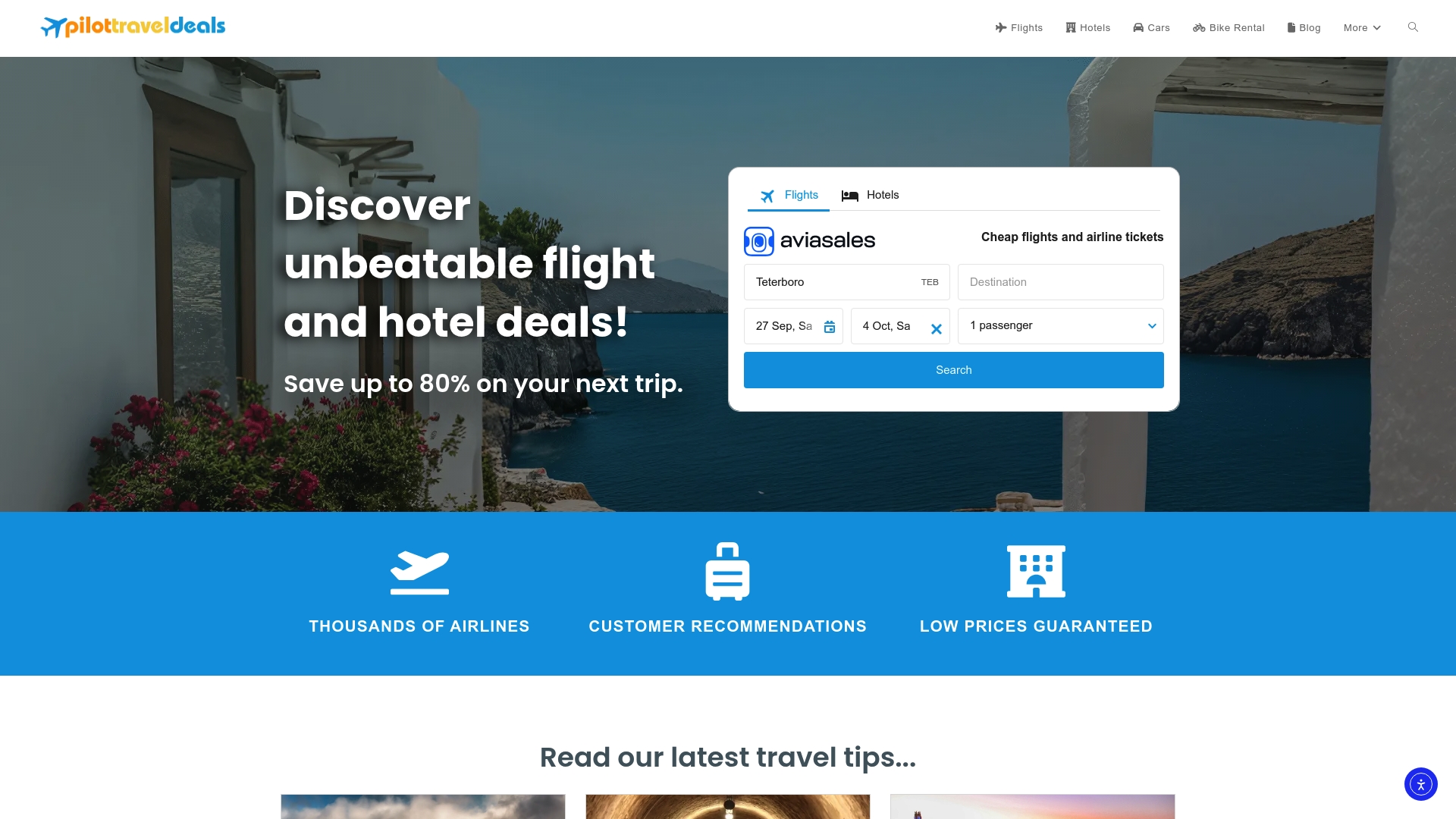
Explore our Travel Tips – PilotTravelDeals.com for insider advice that complements your business travel strategy. Start by checking out the wide variety of options and savings on our main site PilotTravelDeals.com. Ready to optimize your transportation options or find the perfect hotel flexibility? Visit the Miscellaneous – PilotTravelDeals.com section to discover additional travel services tailored to your needs. Don’t wait until the last minute. Book smarter today and turn your business trips into cost-effective, stress-free journeys.
Frequently Asked Questions
How do I define clear objectives for my business trip?
Defining clear objectives involves creating SMART goals: Specific, Measurable, Achievable, Relevant, and Time-bound. For example, instead of saying “meet potential clients,” you might say, “Secure two preliminary contracts with manufacturing firms by the end of the quarter.” Take time to outline these objectives before your trip to keep your efforts focused.
What should my travel policies include for my organization?
Your travel policies should encompass detailed expense categories, spending limits, clear reimbursement procedures, and guidelines for approved vendors. For instance, specify limits for accommodations and meals to create predictable financial parameters. Write down your travel policy and distribute it to all employees to ensure clarity and compliance.
How can I effectively use travel comparison tools?
To effectively use travel comparison tools, input your travel parameters and compare pricing across multiple airlines and hotels. Focus on filtering options based on your corporate requirements, like direct flights or specific amenities. This process can save you hundreds of dollars per trip, so invest 15-20 minutes to make informed choices.
What should I look for when booking flexible travel options?
When booking flexible travel options, prioritize qualities such as low or no change fees, full refund possibilities, and transparent cancellation policies. This flexibility allows you to adjust your travel plans without incurring extra costs. Review fare classes and hotel rates carefully to select the most adaptable options available.
What essential documents should I prepare for business travel?
Prepare essential documents such as your passport, business visa, travel insurance certificates, and corporate travel authorization letters. Additionally, create both digital and physical backups of these documents to avoid potential disruptions. Aim to have all critical documents ready at least one week before departure.
How can I ensure smooth local transportation during my business trip?
To ensure smooth local transportation, research available options such as airport transfers, rideshares, and public transit in advance. Download relevant mobile applications and create offline maps to navigate your destination efficiently. Develop a transportation plan that includes multiple backup options, allowing you to adapt to any situation that may arise.
Recommended
- Importance of Travel Planning for Major Savings – PilotTravelDeals.com
- Understanding the Essentials of Business Travel Booking Guide – PilotTravelDeals.com
- 7 Smart Steps for an Effective Cheap Travel Checklist – PilotTravelDeals.com
- Business Travel Budgeting Process: Maximizing Savings – PilotTravelDeals.com
- 7 Best Healthy Travel Snacks for Weight Loss Success – LeanAndFit
- 7 Essential Tips for Sustainable Business Operations – Onyx Removals


