
TL;DR:
- Preparing your documents early and registering with the STEP program ensures a smooth international journey.
- Using airline apps, packing smartly within security rules, and selecting comfortable seats enhance travel convenience.
International flight travel tips are the practical strategies that separate a smooth overseas journey from a stressful one. The International Air Transport Association reports that global air travel demand continues to climb, meaning airports are busier and margins for error are smaller than ever. Whether you’re flying Emirates to Dubai, United to London, or Cathay Pacific to Hong Kong, the same core principles apply: prepare early, pack smart, and use every tool available. This guide gives you the exact advice that works in 2026, organized from pre-trip preparation through landing.
1. International flight travel tips start with your documents
Your passport and visa are the foundation of every overseas trip. Most countries require at least six months of passport validity beyond your travel dates, and U.S. passport renewals can take 8 to 11 weeks through standard processing. Apply or renew at least three months before your departure date to avoid paying expedite fees.
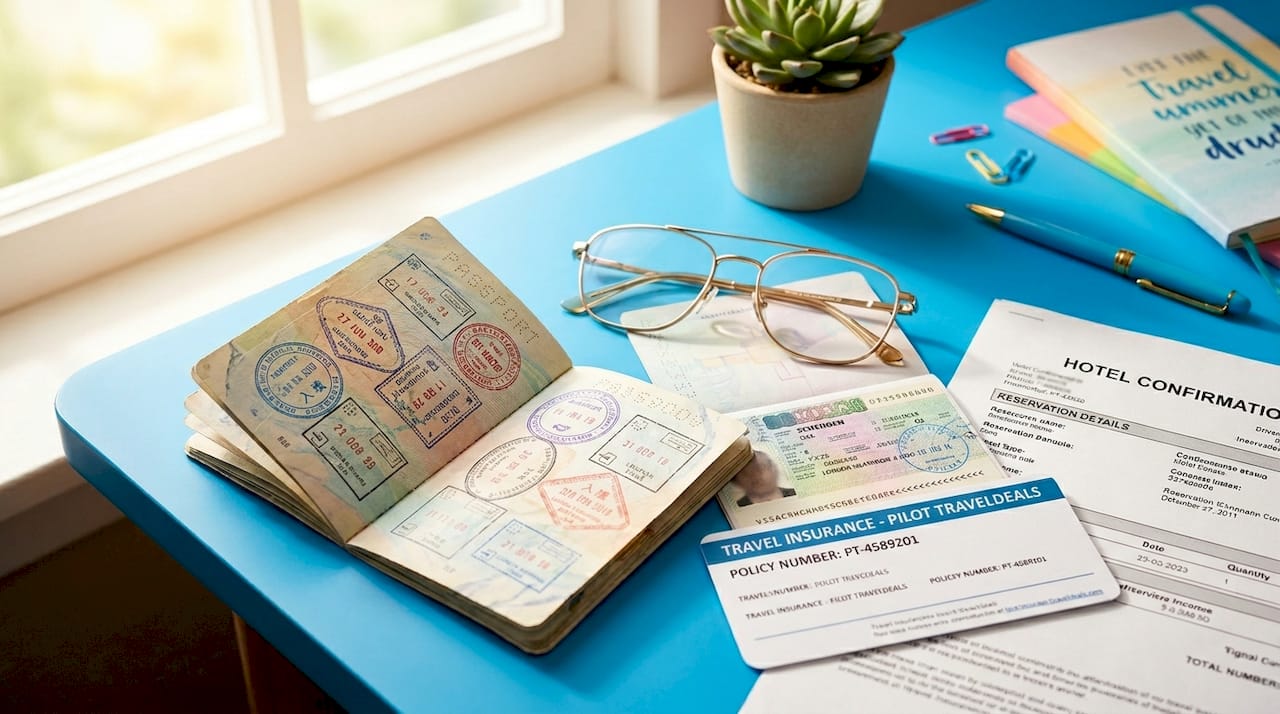
Scan every critical document, including your passport, visa, travel insurance card, and hotel confirmations, and save them to Google Drive or Dropbox. If your wallet is stolen in Bangkok or Rome, a digital copy gets you back on track in hours instead of days. The U.S. State Department’s STEP program takes about 20 minutes to register and sends destination-specific emergency alerts directly to your phone. That 20 minutes could be the most valuable pre-trip investment you make.
Pro Tip: Set a calendar reminder 90 days before any international trip to check passport expiration and visa requirements for every country on your itinerary, including layover countries.
2. Use airline apps and travel technology to your advantage
The Emirates app, United app, and Delta app each offer digital boarding passes, real-time gate changes, and one-tap rebooking options. Airline apps provide seat selection, digital boarding passes, and rebooking flexibility that the check-in counter cannot match during irregular operations. Download your airline’s app before you leave home, not at the gate.
Notify your bank before departure to prevent fraud blocks on foreign transactions. Better yet, travel with a no-foreign-transaction-fee card like the Chase Sapphire Preferred or Capital One Venture. Follow AskTSA on X (formerly Twitter) for real-time answers to security questions. These tools collectively remove the friction that turns minor airport hiccups into major delays.
3. What to pack and how to handle liquids under security rules
Packing for an international flight requires knowing the rules before you zip your bag. The TSA 3-1-1 liquid rule requires all carry-on liquids to be in containers of 3.4 oz or less, placed in a single clear quart-sized bag. Medications and baby formula are exempt from this rule, but you should declare them separately at the checkpoint.
Duty-free liquids present a specific trap that catches experienced travelers. A bottle of whiskey purchased at a duty-free shop in Paris may pass through French security just fine, but connecting flight checkpoints may reject the same sealed, receipted bag depending on the country’s regulations. If you have a connection, keep duty-free liquids in checked luggage or accept the risk of confiscation.
Solid alternatives solve the liquid problem entirely. Shampoo bars from Lush, solid deodorant sticks, and solid sunscreen eliminate the quart-bag scramble and free up space for other items.
| Item category | Carry-on or checked? | Notes |
|---|---|---|
| Medications | Carry-on only | Declare at security; keep in original packaging |
| Electronics and valuables | Carry-on only | Checked bag loss is a real risk |
| Duty-free liquids over 3.4 oz | Checked (if connecting) | Sealed receipt may not satisfy all checkpoints |
| Adapters and chargers | Carry-on | Universal adapters cover most destinations |
| Compression socks | Wear on the plane | Reduces swelling on flights over four hours |
Pro Tip: Pack a small personal item bag inside your carry-on with your phone charger, headphones, snacks, and a change of clothes. Pull it out at boarding and stow it under the seat in front of you for easy access throughout the flight.
4. How to choose seats for long-haul comfort
Seat selection on a long-haul flight is not a minor detail. On wide-body aircraft configured in a 2-3-2 or 3-3-3 layout, an aisle seat in the middle section reduces disturbances from neighboring passengers and gives you the easiest access to the aisle. Window seats feel cozy for the first two hours and become a trap by hour six when your seatmates are asleep.
Use SeatGuru to check the seat map for your specific aircraft before booking. Seats near the galley or lavatories generate more noise and foot traffic. Bulkhead seats offer extra legroom but have fixed armrests and no under-seat storage. Exit row seats provide significant legroom but require you to assist in an emergency, which some travelers find uncomfortable.
Book your preferred seat at the time of purchase. On airlines like Lufthansa, Singapore Airlines, and Air France, preferred seats fill up weeks before departure. Waiting until check-in means accepting whatever is left.
5. How to stay healthy and comfortable on long flights
Airplane cabin humidity runs significantly lower than normal indoor environments, which causes dehydration faster than most travelers expect. Drink water consistently throughout the flight rather than waiting until you feel thirsty. Flavored hydration supplements like Liquid I.V. improve absorption and make drinking more water feel less like a chore.
Movement is the most underrated tip for long-haul flights. For flights over four hours, walking the aisle every one to two hours reduces blood clot risk and keeps circulation active. In-seat exercises including ankle circles, heel raises, and foot pumps supplement walking when the seatbelt sign is on. Compression socks from brands like Sockwell or CEP add another layer of protection against swelling.
Wear loose, layered clothing. Aircraft temperatures fluctuate between sections and across flight phases. A light merino wool layer from Uniqlo or Patagonia works in both warm and cold cabin conditions without taking up much space in your bag.
6. How to book flights and manage airport logistics
Book flights on Sundays through Tuesdays, earlier in the day, for the best combination of price and rebooking flexibility. Airlines typically release fare sales midweek, and early-morning fares often carry fewer restrictions than evening bookings. Flexibility on departure dates by even one or two days can reduce fares significantly on routes like New York to Tokyo or Los Angeles to Sydney.
Arrive at least three hours before your international departure. This buffer absorbs check-in lines, TSA PreCheck or Global Entry lanes, customs pre-clearance, and any gate changes. During peak travel periods like summer and major holidays, airports like LAX, JFK, and Heathrow recommend even earlier arrival due to heavy passenger volumes.
Enroll in TSA PreCheck ($85 for five years) or Global Entry ($100 for five years) before your trip. Both programs cut security time to under five minutes on most days. If you hold a Chase Sapphire Reserve or American Express Platinum card, the application fee is reimbursed as a travel credit.
For airport transfers, pre-booking a service through a platform like TravelSearch Guru removes the uncertainty of finding transport after a long overnight flight. Knowing your ride is confirmed when you land is a small detail that makes a real difference in how you feel at the end of a 14-hour journey.
Pro Tip: Screenshot your boarding pass, hotel confirmation, and transportation booking before you board. Airplane mode plus no Wi-Fi means a downloaded screenshot is always accessible, even when apps fail to load.
Key takeaways
Effective international flight travel comes down to preparation before the airport, smart choices at the gate, and consistent habits in the air.
| Point | Details |
|---|---|
| Document preparation | Renew passports early and register with STEP for emergency travel alerts. |
| Packing liquids | Follow TSA 3-1-1 rules and place duty-free liquids in checked bags on connecting flights. |
| Seat selection | Choose a middle-section aisle seat on wide-body aircraft for the best access and fewest disruptions. |
| In-flight health | Walk the aisle every one to two hours and drink water consistently to prevent dehydration and clots. |
| Booking timing | Book Sunday through Tuesday, arrive three hours early, and use TSA PreCheck or Global Entry. |
What I’ve learned after years of long-haul flying
Most travelers treat the airport as the start of their trip. The ones who have the smoothest experiences treat preparation as the trip itself. The flight is just execution.
The single most overlooked tip in every list of overseas flight tips is the mini carry-on bag inside your main carry-on. I started doing this after a 16-hour flight to Singapore where I spent the first hour digging through my bag for headphones, then again for a snack, then again for my charger. Now I pack a small zip pouch with everything I need for the flight itself and slide it under the seat. The overhead bin stays closed for the entire flight.
I also stopped fighting my instinct to book window seats. Aisle seats genuinely change the experience on anything over eight hours. The freedom to stand up without waking anyone is worth the occasional cart bump. Pair that with compression socks and a hydration routine, and you land feeling functional instead of wrecked.
The STEP program registration is the tip most people skip because it feels bureaucratic. Do it anyway. It takes 20 minutes and the alerts it sends during political unrest or natural disasters overseas are specific, timely, and genuinely useful. No app replicates what the State Department can push to your phone when something goes wrong in your destination city.
For first-time international travelers, the volume of advice can feel paralyzing. Start with documents, then packing, then booking. Everything else is refinement. The travelers who struggle most are the ones who try to figure it out at the airport.
— Asher
Find better flights and save more with Pilottraveldeals
Planning an international trip means more than just knowing what to pack. It means finding the right flight at the right price before someone else does.
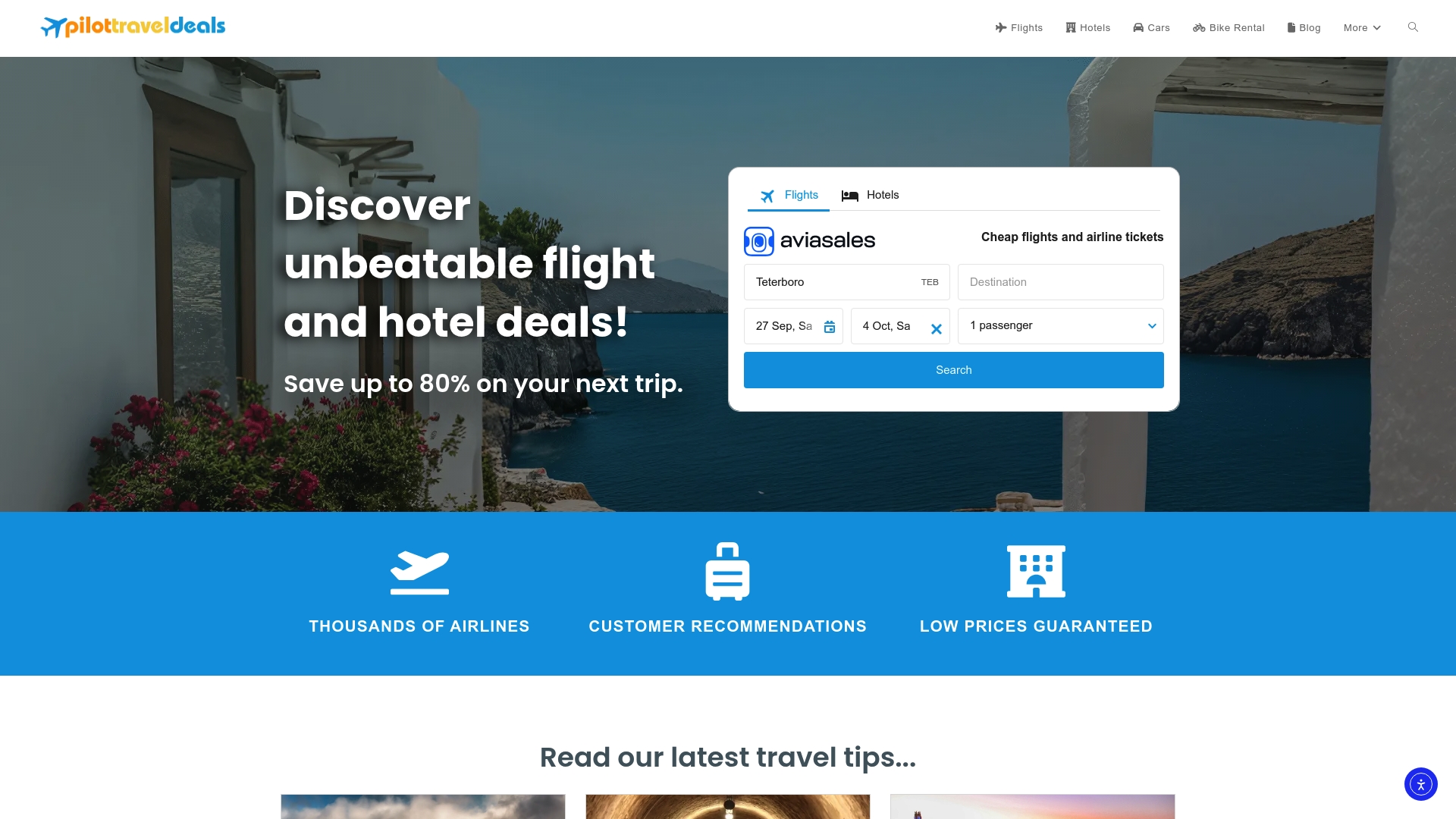
Pilottraveldeals.com aggregates flight deals, hotel discounts, and travel resources from multiple providers so you can compare options and book with confidence. The site’s cheap airfare tips section covers booking windows, fare alert strategies, and airline-specific tricks that go beyond generic advice. For travelers who want to pair a great flight with a great stay, the hotel booking tools on the site offer savings up to 80% on properties worldwide. Whether you’re booking a solo trip to Tokyo or a family vacation to Europe, Pilottraveldeals.com is built to help you spend less and travel better.
FAQ
What documents do I need for an international flight?
You need a valid passport with at least six months of validity beyond your travel dates, plus any required visas for your destination. Carry digital copies of all documents in cloud storage as a backup.
How early should I arrive for an international flight?
Arrive at least three hours before your international departure to allow time for check-in, security, and any unexpected delays. During peak travel seasons, airports like JFK and LAX recommend arriving even earlier.
What is the TSA liquid rule for carry-on bags?
The TSA 3-1-1 rule limits carry-on liquids to containers of 3.4 oz or less, all placed in one clear quart-sized bag. Medications and baby formula are exempt but must be declared at the checkpoint.
How do I reduce swelling and discomfort on long flights?
Walk the aisle every one to two hours and perform in-seat exercises like ankle circles and heel raises. Compression socks and consistent hydration reduce swelling significantly on flights over four hours.
What is the best way to book cheap international flights?
Book on Sundays through Tuesdays, early in the day, and use fare comparison tools to monitor price drops. Pilottraveldeals.com’s guide on finding cheap tickets covers the most effective booking strategies for international routes.
Recommended
- International flight advice: save more and fly smarter – PilotTravelDeals.com
- Smart ways to save money on flights every time – PilotTravelDeals.com
- Top Tips for Flying Internationally: Save More and Stress Less – PilotTravelDeals.com
- Smart Overseas Flight Tips: Save More and Travel Better – PilotTravelDeals.com

