TL;DR:
- Long-haul travel, exceeding six hours, offers deep cultural engagement and measurable psychological growth. Travelers increasingly seek these journeys in 2026 for authentic experiences, despite higher costs and planning requirements. Grouping destinations, traveling in shoulder seasons, and early bookings enhance the rewards of long-distance trips.
Long-haul travel is defined as any flight exceeding six hours, typically crossing continents and time zones to reach destinations that short trips simply cannot access. The question of why choose long-haul destinations has a clear answer: distance unlocks a depth of experience that nearby getaways cannot replicate. Nearly 50% of travelers in 2026 now prioritize visiting far-flung places they have never seen before. That shift signals something bigger than wanderlust. Travelers are actively choosing distance as a tool for personal growth, cultural immersion, and genuine adventure. Destinations like Langkawi, Sri Lanka, and Japan are driving this surge, and the psychology behind it is well documented.
Why choose long-haul destinations over shorter trips?
Long-haul travel delivers cultural immersion that short trips structurally cannot provide. A weekend in a neighboring country gives you a surface read. Three weeks in Southeast Asia rewires how you think. Research by Maddux and Galinsky confirms that deep cultural engagement measurably boosts creativity and cognitive flexibility, but only when travelers engage meaningfully rather than as passive tourists. The distinction matters enormously.

The psychological mechanism behind this is “awe.” A 2024 study published in the APA journal Emotion found that awe experienced during travel is a proven driver of increased empathy and worldview transformation. Standing at the base of a Himalayan peak or watching a traditional ceremony in rural Japan produces a specific cognitive shift. That shift does not happen at a resort two hours from home.
Researcher Gideon Frey argues that long-haul travel enables “cosmopolitan expansion,” a broadening of conceptual horizons that short-distance travel cannot replicate. You begin to see yourself as part of a global community rather than a local one. That perspective change has real, lasting effects on decision-making, empathy, and creativity.
The core advantages of long-haul travel over short trips include:
- Cultural depth: Extended time in a foreign culture produces genuine understanding, not just observation.
- Cognitive growth: Sustained exposure to different languages, social norms, and environments builds mental flexibility.
- Emotional reset: Distance from routine creates psychological space that a weekend trip cannot generate.
- Unique access: Many of the world’s most remarkable landscapes, cuisines, and traditions exist only in destinations that require a long flight to reach.
“Long-haul travel is not simply about covering more miles. It is about crossing the threshold from tourist to participant, from observer to someone genuinely changed by what they have witnessed.”
How have 2026 travel trends shaped interest in long-haul trips?
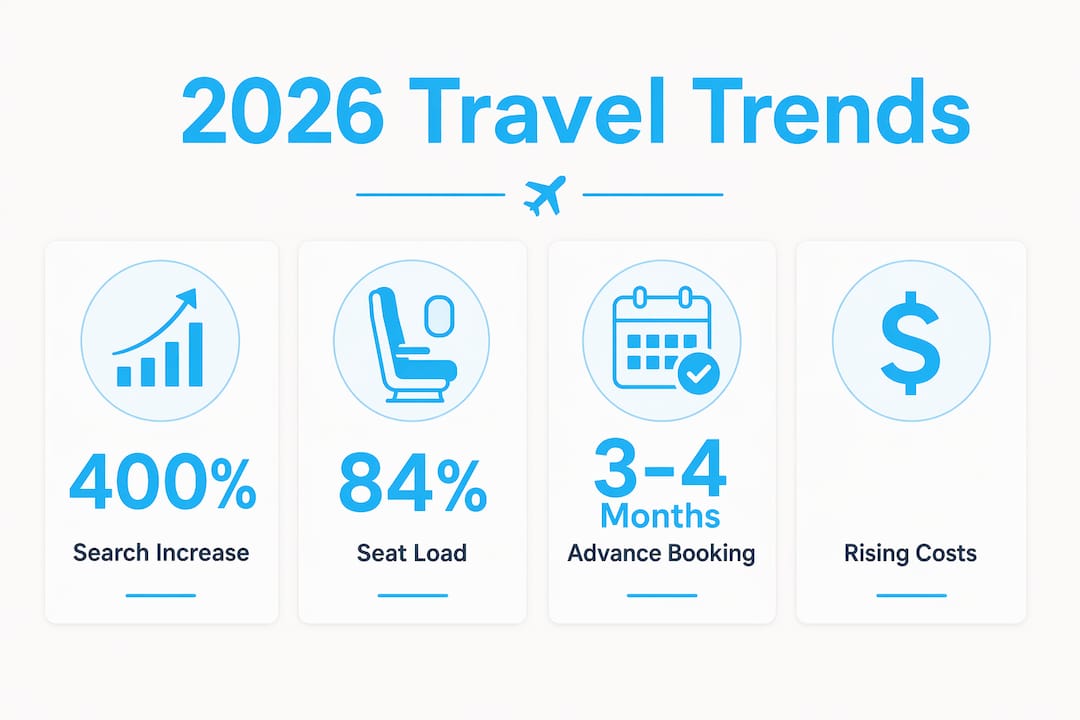
Demand for long-distance travel has surged in 2026, driven by a combination of pent-up curiosity and a cultural shift toward meaningful experiences. Search demand for Langkawi and Sri Lanka increased over 400% year-on-year in early 2026. That number reflects a real behavioral change, not a statistical blip. Travelers are actively researching and booking destinations that require serious commitment to reach.
Japan remains one of the most searched long-haul destinations globally, with travelers drawn to its combination of ancient tradition and modern infrastructure. Langkawi and Sri Lanka appeal to travelers seeking natural beauty, affordability, and cultural richness in a single trip. These are not impulse destinations. They require planning, which means travelers who book them are genuinely motivated.
The cost picture is more complex. Ultra-long-haul flights now cost more due to fuel shocks and airspace closures from geopolitical disruptions, adding 60–90 minutes to routes exceeding 14 hours. That extra flight time increases fuel burn and crew costs, which airlines pass directly to passengers. Understanding these rising travel costs helps you plan and budget more accurately.
| Factor | Impact on Long-Haul Travel |
|---|---|
| Fuel price shocks | Higher ticket prices on routes over 14 hours |
| Airspace rerouting | Adds 60–90 minutes to ultra-long-haul flights |
| High load factors | Airlines fill ~84% of seats, reducing discount availability |
| Destination search surge | Langkawi and Sri Lanka up 400%+ in early 2026 |
| Regulatory changes | New European entry requirements shift some demand to long-haul |
Airlines currently fill approximately 84% of available seats on long-haul routes. High load factors give airlines pricing power, which means last-minute deals are rare and early booking is the most reliable way to secure value. Despite higher costs, demand keeps climbing. That tells you travelers consider the experience worth the price.
Pro Tip: Book long-haul flights at least three to four months in advance. Load factors above 80% mean airlines have little incentive to discount, so early booking is your primary cost lever.
What practical strategies make long-haul trips more rewarding?
Planning a long-haul trip well separates a transformative experience from an exhausting one. The logistics are more demanding than a short trip, but the payoff scales with the effort you invest upfront.
-
Cluster your geography. Veteran long-haul travelers group destinations within the same region rather than hopping between continents. Spending three weeks across Thailand, Malaysia, and Vietnam costs less in flights, produces less fatigue, and creates a coherent cultural narrative. Jumping from Tokyo to Lisbon to Cape Town in one trip fragments the experience and exhausts your body.
-
Travel in shoulder season. Shoulder season pricing and buffer days reduce costs significantly and give you breathing room for jet lag and unexpected delays. Arriving in Japan in late march or early november rather than peak cherry blossom season saves money and means fewer crowds at the places that matter most.
-
Stay longer in fewer places. A two-week stay in one city teaches you more than two days in seven cities. You learn where locals eat, which neighborhoods feel alive at night, and how the rhythm of daily life actually works. That knowledge is the foundation of real cultural immersion.
-
Build in a re-entry buffer. Travelers often underestimate reverse culture shock after extended international trips. Returning home after three weeks abroad can feel disorienting. Scheduling a day or two before returning to work gives your mind time to readjust without the pressure of immediate professional demands.
-
Use smart booking resources. Pilottraveldeals offers international flight booking guidance and hotel deal aggregation specifically useful for long-stay travelers who need flexibility and value across multiple accommodation types.
Pro Tip: Pair your long-haul hotel search with extended-stay filters. Hotels that cater to stays of seven nights or more often include free airport transfers, laundry facilities, and kitchen access, which cuts daily costs significantly.
How do long-haul destinations create more meaningful travel experiences?
Long-haul travel at its best is not tourism. It is participation. When you spend enough time in a place, you stop being a visitor and start being a temporary resident. You shop at the same market twice. The vendor remembers your order. That small moment of recognition is worth more than any landmark photo.
Long-form travel supports regenerative tourism by engaging travelers with local economies and environments rather than consuming them rapidly. A traveler who stays three weeks in a Sri Lankan coastal town spends money at local guesthouses, restaurants, and markets. A traveler who passes through for two days spends it at the airport hotel and a chain restaurant. The economic impact is not comparable.
Local cuisine is one of the most direct entry points into a culture. Understanding how local food shapes tourism reveals why long-haul travelers consistently rate food experiences among their most memorable. Eating what locals eat, where locals eat, is an act of cultural respect and curiosity that no guided tour can replicate.
The benefits of this embedded approach include:
- Economic contribution: Longer stays direct more spending to local businesses rather than international chains.
- Environmental awareness: Slower travel reduces the carbon cost per day compared to rapid multi-destination hopping.
- Social connection: Extended time builds genuine relationships with locals, guides, and fellow travelers.
- Personal reinvention: Long journeys invite identity expansion and a break from the routines that define your daily self.
“Choosing distance over convenience is a quiet act of rebellion against a travel culture that prizes quantity over depth. The traveler who goes far and stays long comes home changed in ways that a weekend trip simply cannot produce.”
Key Takeaways
Long-haul destinations deliver cultural depth, psychological growth, and regenerative impact that short trips structurally cannot match, making them the most rewarding investment a traveler can make.
| Point | Details |
|---|---|
| Cultural immersion is deeper | Extended stays in distant places produce genuine understanding, not surface observation. |
| Demand is surging in 2026 | Search interest in Langkawi and Sri Lanka rose over 400% year-on-year in early 2026. |
| Costs require early planning | High airline load factors (~84%) mean discounts are rare; book three to four months ahead. |
| Geographic clustering reduces fatigue | Grouping nearby countries into one trip cuts flight costs and improves the travel experience. |
| Regenerative impact matters | Long stays direct spending to local economies and reduce per-day environmental cost. |
Why long-haul travel is the best investment you will make this year
I have taken short trips that felt forgettable within a week of returning home. I have also spent three weeks in a single country and found myself still thinking about it years later. The difference is not the destination. It is the depth of engagement that distance forces on you.
What strikes me most about the 2026 data is that travelers are not choosing long-haul trips despite the cost and complexity. They are choosing them because of what those barriers signal: that the destination requires real commitment, and real commitment produces real reward. The 400% surge in searches for Langkawi and Sri Lanka is not a trend driven by Instagram aesthetics. It reflects a genuine hunger for experiences that feel earned.
The psychological research backs this up in ways that should change how you think about your next trip. Awe, creativity, empathy, cosmopolitan expansion. These are not soft benefits. They are measurable cognitive and emotional outcomes that travel researchers have documented rigorously. A short trip to a familiar place rarely produces them. A long trip to somewhere genuinely foreign almost always does.
My honest advice: stop treating long-haul travel as a reward for special occasions. Treat it as a regular investment in how you think, feel, and relate to the world. The cost is real, but so is the return.
— Asher
Plan your long-haul trip with Pilottraveldeals
Long-haul travel rewards careful planning, and the right tools make the difference between overpaying and traveling well. Pilottraveldeals aggregates hotel deals, flight options, and travel resources specifically suited to travelers who want value without sacrificing experience.

For long-stay travelers, the hotel deals on Pilottraveldeals include extended-stay options across Asia, the Middle East, and beyond, with savings up to 80% on select properties. Pair that with the site’s cheap airfare tips to find the best available fares on long-haul routes before load factors push prices higher. Pilottraveldeals also covers SIM card options for international travelers who need reliable connectivity from the moment they land. Every resource on the platform is built for travelers who take their trips seriously.
FAQ
What counts as a long-haul flight?
A long-haul flight is generally defined as any flight lasting six hours or more, typically crossing continents or major ocean routes.
Is long-haul travel worth the higher cost?
Long-haul travel delivers measurable benefits including increased creativity, empathy, and cultural understanding that short trips cannot produce, making the cost a genuine investment in personal growth.
Which long-haul destinations are trending in 2026?
Langkawi, Malaysia, and Sri Lanka saw search demand rise over 400% year-on-year in early 2026, with Japan also remaining among the most booked long-haul destinations globally.
How do I reduce fatigue on a long-haul trip?
Geographic clustering, shoulder season travel, and buffer days after arrival all reduce physical fatigue and logistical stress on long-haul trips.
What is reverse culture shock after long-haul travel?
Reverse culture shock is the disorientation travelers experience when returning home after an extended international trip. Scheduling one to two recovery days before resuming normal routines helps ease the transition.