
Managing business travel expenses can feel overwhelming when prices change without warning and options seem endless. Simple booking mistakes or missed opportunities for perks can lead to unexpected costs that impact both your budget and your company’s bottom line. The right strategies can transform travel from a financial burden into a smart investment for your business goals.
You are about to discover proven ways to save money every step of the journey. This guide covers actionable methods from using loyalty programs to tapping into the power of predictive booking tools. Each approach is backed by real research so you can travel with confidence, make smarter decisions, and access the most valuable perks every time you hit the road.
Table of Contents
- Use Travel Comparison Tools for Instant Savings
- Leverage Loyalty Programs for Exclusive Perks
- Optimize Booking Times for Better Rates
- Choose Flexible Options to Reduce Costs
- Take Advantage of Corporate Discounts
- Pack Smart to Avoid Extra Fees
- Track Expenses for Maximized Reimbursements
Quick Summary
| Key Insight | Explanation |
|---|---|
| 1. Use Travel Comparison Tools Wisely | These tools can help you save up to 30% on business travel expenses by allowing instant price comparisons across multiple providers. |
| 2. Leverage Loyalty Programs Strategically | Consolidating travel with key loyalty programs can unlock exclusive perks and benefits that enhance your overall travel experience. |
| 3. Optimize Booking Times for Savings | Booking flights during midweek and using predictive tools can lead to significant savings, potentially up to 30% on travel costs. |
| 4. Opt for Flexible Travel Options | Flexible bookings can reduce unexpected travel expenses by up to 40%, providing a cushion against changes in plans. |
| 5. Implement Effective Expense Tracking | Accurate tracking of travel expenses can recover up to 15% of overlooked costs, ensuring you maximize reimbursements and manage budgets effectively. |
1. Use Travel Comparison Tools for Instant Savings
Business travelers know that every dollar saved can make a significant difference to their bottom line. Travel comparison tools have revolutionized how professionals approach travel expenses by offering instant access to comprehensive pricing information across multiple platforms.
These digital platforms work by aggregating pricing data from numerous airlines, hotels, and transportation services simultaneously. By consolidating information from different sources, travelers can quickly identify the most cost-effective options without spending hours manually comparing prices.
Key benefits of using travel comparison tools include:
- Instant price comparisons across multiple providers
- Real-time availability tracking
- Detailed cost breakdowns for different travel classes
- Ability to filter results based on specific preferences
- Transparent pricing without hidden fees
Business travelers can maximize savings by utilizing these tools strategically. Look for platforms that offer additional features like price prediction algorithms, fare alerts, and flexible date searching. Some advanced tools even provide historical pricing trends, allowing you to determine the optimal booking window.
Smart travelers use comparison tools to save up to 30% on business travel expenses.
To get the most value, create accounts on multiple comparison platforms and set up price alerts for your frequent routes. This proactive approach ensures you never miss a potential discount.
Pro tip: Schedule your travel searches during off-peak hours and use incognito browser mode to potentially access lower prices hidden from standard searches.
2. Leverage Loyalty Programs for Exclusive Perks
In the world of business travel, loyalty programs are not just rewards they are strategic financial instruments that can dramatically reduce your travel expenses. Loyalty programs have evolved from simple point accumulation to comprehensive benefit systems designed to enhance traveler experiences.
These programs are sophisticated marketing tools that provide significant advantages for frequent business travelers. By strategically selecting and maximizing loyalty memberships, professionals can unlock a range of exclusive benefits that extend far beyond traditional point systems.
Key advantages of strategic loyalty program participation include:
- Complimentary flight upgrades
- Priority boarding and check-in
- Access to exclusive airport lounges
- Bonus point multipliers for business travel
- Flexible point redemption options
- Personalized travel experiences
Modern loyalty programs use advanced data analytics to create targeted reward structures that align with individual travel patterns. This means the more you travel with specific airlines or hotel chains the more personalized and valuable your rewards become.
Digitalization has transformed loyalty programs from transactional rewards to emotional engagement platforms.
To maximize these programs, create accounts with multiple providers and track your point accumulation systematically. Some business credit cards also offer integrated loyalty partnerships that can accelerate point earning potential.
Pro tip: Consolidate your travel with 2-3 key loyalty programs to maximize point accumulation and avoid point fragmentation across too many platforms.
3. Optimize Booking Times for Better Rates
Savvy business travelers know that timing can be everything when it comes to securing the most cost-effective travel arrangements. Predictive analytics models have revolutionized how professionals approach travel booking strategies.
Understanding the nuanced dynamics of booking timing can potentially save significant amounts on business travel expenses. Different travel services have unique pricing patterns that can be strategically navigated to maximize savings.
Key strategies for optimizing booking times include:
- Book flights midweek (Tuesday and Wednesday)
- Target off-peak travel seasons
- Book international flights 2-3 months in advance
- Look for pricing windows 6-8 weeks before domestic trips
- Use price tracking tools to monitor rate fluctuations
- Consider flexible date searching
Advanced AI technologies now enable precise booking trend prediction, allowing travelers to make more informed decisions. These machine learning algorithms analyze historical pricing data to identify optimal booking windows with remarkable accuracy.
Intelligent booking strategies can reduce travel expenses by up to 30% through strategic timing and advanced analytics.
Professionals should leverage technology and data-driven insights to transform their approach to travel planning. Many online platforms now offer predictive pricing tools that help travelers identify the most cost-effective booking times.
Pro tip: Set up price alerts on multiple platforms and create a spreadsheet to track pricing trends for your most frequent travel routes.
4. Choose Flexible Options to Reduce Costs
In the unpredictable world of business travel, flexibility isn’t just a luxury it’s a financial strategy. Corporate travel management has evolved to prioritize adaptable booking options that protect companies from unexpected changes and potential financial losses.
Flexible travel arrangements provide a critical safety net for businesses navigating complex scheduling and budgetary constraints. By selecting bookings with minimal penalties for modifications, travelers can significantly reduce potential financial risks associated with last-minute changes.
Key benefits of choosing flexible travel options include:
- Minimal or no change fees
- Full or partial ticket refundability
- Ability to modify travel dates
- Cancellation protection
- Reduced financial exposure
- Enhanced travel risk management
Professionals should look for booking options with built-in flexibility. Many airlines and hotels now offer tiered pricing that includes more adaptable ticket classes. These premium options often cost slightly more upfront but can save substantial money if travel plans shift.
Flexible bookings can reduce unexpected travel expenses by up to 40% through strategic planning and risk mitigation.
Smart travelers analyze the cost differential between rigid and flexible tickets. Sometimes paying a small premium provides significant long-term financial protection and peace of mind.
Pro tip: Create a standardized company policy that prioritizes flexible booking options and tracks the financial impact of change-related expenses.
5. Take Advantage of Corporate Discounts
Savvy businesses recognize that corporate discounts are more than just small savings they are strategic financial tools that can dramatically reduce travel expenses. Corporate discount negotiations have become a critical component of intelligent financial management.
Understanding and leveraging corporate discount programs requires a proactive approach. Companies can significantly reduce their travel costs by developing comprehensive strategies that maximize negotiated rates across multiple service providers.
Key strategies for maximizing corporate discounts include:
- Centralize travel booking through designated corporate accounts
- Negotiate volume-based pricing with preferred vendors
- Establish long-term partnerships with travel service providers
- Track and analyze corporate travel spending patterns
- Implement company-wide travel policy guidelines
- Utilize corporate credit cards with travel rewards
Professionals should focus on strategic discount portfolio management. This means not just accepting standard rates but actively negotiating comprehensive packages that provide value across multiple travel services.
Corporate discount programs can reduce overall travel expenses by up to 25% through strategic negotiations and volume-based pricing.
Most corporations underutilize their negotiating power. By consolidating travel spending and presenting a compelling business case, companies can unlock significant financial advantages that extend far beyond immediate trip costs.
Pro tip: Assign a dedicated travel procurement specialist to continuously audit and renegotiate corporate discount agreements, ensuring your company always receives optimal pricing.
6. Pack Smart to Avoid Extra Fees
Business travelers know that excess baggage fees can quickly derail a carefully planned travel budget. Minimalist packing strategies have become a critical skill for professionals looking to optimize their travel expenses.
Smart packing is about maximizing utility while minimizing volume and weight. By adopting strategic approaches to luggage management, travelers can significantly reduce or eliminate costly airline fees.
Key strategies for efficient packing include:
- Choose lightweight luggage with multiple compartments
- Use compression packing cubes
- Pack versatile clothing in neutral colors
- Roll clothes instead of folding
- Limit shoes to 2-3 multipurpose pairs
- Use travel-sized toiletries
- Wear bulky items during transit
Professionals should focus on strategic clothing and item selection. This means choosing pieces that can be mixed and matched to create multiple outfits while occupying minimal luggage space.
Efficient packing can save travelers up to $200 per trip in excess baggage fees.
Technology and smart accessories can also help manage luggage weight. Portable digital luggage scales and compression bags are invaluable tools for the frequent business traveler.
Pro tip: Create a standardized digital packing checklist that tracks item weight and helps you consistently stay under airline baggage limits.
7. Track Expenses for Maximized Reimbursements
Most business travelers leave money on the table by neglecting systematic expense tracking. Expense management software has transformed how professionals capture and recover travel-related expenditures.
Effective expense tracking is more than simply saving receipts. It involves creating a comprehensive system that captures every potential reimbursable cost while maintaining meticulous documentation for accounting and tax purposes.
Key strategies for maximizing expense tracking include:
- Use mobile receipt scanning apps
- Categorize expenses immediately after transactions
- Photograph physical receipts in high resolution
- Track mileage and transportation costs
- Record incidental expenses separately
- Maintain digital and physical backup copies
- Submit expense reports promptly
Professionals should focus on comprehensive digital expense documentation. Modern technology enables real-time tracking that eliminates manual record-keeping and reduces potential reimbursement errors.
Accurate expense tracking can recover up to 15% of overlooked business travel costs.
By implementing a systematic approach, travelers transform expense management from a tedious task into a strategic financial practice that directly impacts their bottom line.
Pro tip: Create a standardized digital folder system and set weekly reminders to log and categorize all travel-related expenses to ensure no reimbursable cost goes unrecorded.
Below is a comprehensive table summarizing strategies for optimizing business travel to reduce expenses and enhance efficiency, as outlined in the article.
| Strategy | Key Points | Expected Outcomes |
|---|---|---|
| Use Travel Comparison Tools | Aggregate pricing from multiple providers, employ filters for preferences, and utilize real-time availability tracking. | Save up to 30% on travel expenses, find the best options promptly. |
| Leverage Loyalty Programs | Participate in loyalty programs, focus on preferred providers, and utilize bonus multipliers. | Gain flight upgrades, access lounges, and enjoy personalized perks. |
| Optimize Booking Times | Book midweek, track price trends, and use flexible date options. | Attain discounts by identifying cost-effective booking periods. |
| Choose Flexible Options | Opt for refundable or changeable bookings with minimal restrictions. | Reduce unforeseen expenses due to schedule adjustments. |
| Take Advantage of Corporate Discounts | Centralize bookings, negotiate volume-based rates, and use designated accounts. | Achieve discounts of up to 25% through strategic arrangements. |
| Pack Smart to Avoid Extra Fees | Employ minimalist packing strategies, such as compression cubes and lightweight luggage. | Save up to $200 per trip in avoided baggage fees. |
| Track Expenses Systematically | Use mobile apps, maintain digital backups, and submit expense reports timely. | Recover overlooked costs and ensure accurate reimbursements. |
This table provides a clear overview of actionable strategies that drive cost efficiency for business travelers.
Maximize Your Business Travel Savings with PilotTravelDeals.com
Business travel comes with challenges like managing complex booking times, leveraging loyalty programs, and finding the best deals without wasting hours comparing options. This article highlights how strategic booking, flexible travel arrangements, and expense tracking can unlock significant savings and reduce financial risks.
Travel Tips – PilotTravelDeals.com offers practical advice and insider strategies to complement your approach. At PilotTravelDeals.com, we simplify the process by aggregating thousands of flight and hotel deals so you can instantly compare prices and secure the lowest rates. Our platform empowers you to capitalize on flexibility and timing benefits described in the article by offering price alerts and diverse options for your specific travel needs.
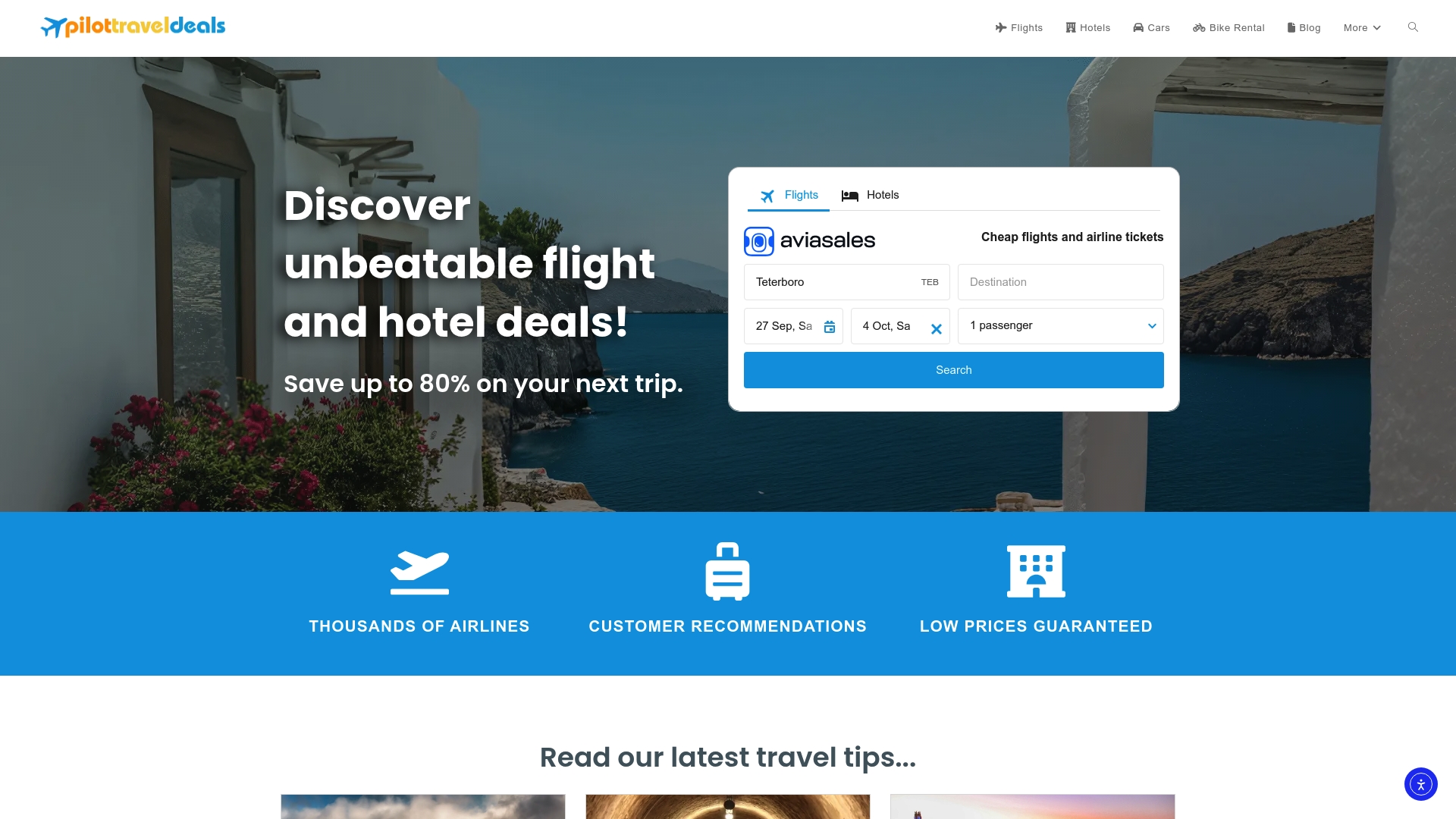
Start saving today by exploring flexible travel options and unbeatable corporate discounts on PilotTravelDeals.com. Get the edge in your next business trip with smart, informed choices and maximize your travel benefits now.
Frequently Asked Questions
How can I use travel comparison tools to save on business travel?
Using travel comparison tools enables you to instantly access pricing data from multiple airlines and hotels. Start by creating accounts on different platforms and setting up price alerts for your most traveled routes to maximize savings of up to 30%.
What are the advantages of joining loyalty programs for business travel?
Loyalty programs offer benefits like free upgrades, priority boarding, and access to exclusive lounges. Focus on consolidating your travel with 2-3 key programs to accumulate points faster and enjoy more personalized rewards based on your travel patterns.
When is the best time to book flights for business travel?
Booking flights midweek, specifically on Tuesdays or Wednesdays, typically yields better rates. Use predictive analytics to determine the optimal booking window, which can help you save up to 30% by booking 6-8 weeks in advance for domestic trips.
How do I choose flexible travel options to minimize costs?
Select bookings with minimal or no change fees and flexible ticket classes to reduce financial exposure from schedule changes. Consider investing slightly more in these options, as they can decrease unexpected travel expenses by up to 40% if plans shift.
What strategies can I implement to track business travel expenses effectively?
Implement a systematic expense tracking approach, using mobile apps to capture receipts and categorize expenses immediately. This practice can help you recover up to 15% of overlooked costs by submitting expense reports promptly and maintaining digital backups.
How can corporate discounts significantly impact my business travel budget?
Corporate discounts can dramatically cut travel expenses by negotiating volume-based pricing with preferred vendors. Centralize your booking through designated accounts and consistently audit these agreements to ensure your company benefits from optimal pricing.
Recommended
- 7 Examples of Corporate Travel Discounts for Business Savings – PilotTravelDeals.com
- Business Travel Budgeting Process: Maximizing Savings – PilotTravelDeals.com
- Importance of Travel Planning for Major Savings – PilotTravelDeals.com
- Understanding the Essentials of Business Travel Booking Guide – PilotTravelDeals.com
- Automated Guest Registration Services
- How To Get Super Cheap Flights For Hawaiian Adventures | Flight Of Aloha