

Most travel websites only show you a tiny piece of the picture. Finding the lowest fare or best hotel deal can quickly turn into a maze of endless tabs and confusing results. Over 80 percent of travelers say they get frustrated comparing prices online. Travel meta-search technology changes the game by gathering prices from dozens of booking sites in one place, giving you real control and clarity so you can make smarter travel choices in less time.
Table of Contents
- What Is Travel Meta-Search Technology?
- Types Of Travel Meta-Search Engines
- How Travel Meta-Search Platforms Operate
- Benefits And Drawbacks For Users
- Comparing Alternatives To Meta-Search Solutions
Key Takeaways
| Point | Details |
|---|---|
| Comprehensive Price Comparison | Travel meta-search technology aggregates prices from multiple booking sites, enabling travelers to find competitive deals efficiently. |
| User Empowerment | These platforms empower users through advanced filtering options and real-time data that enhance travel planning. |
| Operational Mechanism | Meta-search engines utilize sophisticated web crawling and data extraction techniques to present comprehensive pricing information instantly. |
| Consider Alternatives | Exploring options like direct airline websites and niche platforms can provide travelers with unique opportunities and potentially better deals. |
What Is Travel Meta-Search Technology?
Travel meta-search technology is a powerful digital platform that revolutionizes how travelers discover and compare travel prices across multiple providers simultaneously. As defined by Momondo, these innovative search engines aggregate pricing information from various booking sites, airlines, and travel agencies, presenting travelers with a comprehensive overview of available options.
At its core, meta-search technology acts like a digital travel detective. Travel meta-search engines crawl multiple websites in real-time, collecting and comparing prices for flights, hotels, car rentals, and other travel services. Unlike traditional booking platforms that only show their own inventory, these tools provide a transparent, side-by-side comparison that helps travelers find the most competitive deals. As Cheapflights demonstrates, these platforms generate revenue through a pay-per-click model, where travel providers are charged when users link through to their booking sites.
Key features of travel meta-search technology typically include:
- Instant price comparisons across multiple providers
- Real-time availability tracking
- Comprehensive search filters
- Price trend analysis and prediction
- User-friendly interface for seamless navigation
These platforms empower travelers by democratizing travel pricing information. Instead of hunting through multiple websites, users can access a centralized hub that displays the most competitive rates. For travelers seeking the best value, understanding the role of travel comparison sites becomes an essential strategy in planning cost-effective trips.
Types of Travel Meta-Search Engines
Travel meta-search engines have evolved into diverse platforms catering to different traveler needs, each with unique features and search strategies. FlightsFinder.com represents an innovative example of what experts call a ‘meta-meta search’ engine, which goes beyond traditional aggregation by pulling data from multiple existing flight search platforms like Kayak, Skyscanner, and Google Flights.
Flight-Specific Meta-Search Engines focus exclusively on airfare comparisons, offering travelers comprehensive insights into ticket pricing across various airlines and travel agencies. These platforms specialize in finding the most competitive flight options by scanning hundreds of booking sites simultaneously. Interestingly, some platforms like Tripcombi have employed advanced techniques such as hidden flight routing to help travelers discover more affordable travel options.
The primary types of travel meta-search engines include:
- Global Flight Aggregators: Cover international routes and multiple airlines
- Regional Specialists: Focus on specific geographical markets
- Budget-Focused Platforms: Prioritize lowest possible fares
- Comprehensive Travel Search Engines: Compare flights, hotels, and car rentals
For travelers looking to maximize their savings and understand the nuanced world of online travel booking, why compare travel sites becomes an essential strategy in modern trip planning.
How Travel Meta-Search Platforms Operate
Travel meta-search platforms operate through a sophisticated process of simultaneous data aggregation and real-time price comparison. Similar to how PolyCola functions as a search engine, these travel platforms send concurrent queries to multiple booking sites, instantly collecting and comparing pricing information from various sources.
Backend Technology drives the complex mechanism of meta-search platforms. These systems use advanced algorithms to crawl numerous travel websites simultaneously, extracting current pricing, availability, and booking details within seconds. Momondo, for instance, was strategically developed to provide users with a comprehensive overview of available prices and seamlessly direct them to respective booking sites for final reservation.
The operational process typically involves these key steps:
- Web Crawling: Scanning multiple travel websites in real-time
- Data Extraction: Pulling pricing and availability information
- Price Normalization: Standardizing data from different sources
- Ranking and Filtering: Organizing results by price, convenience, and relevance
- User Presentation: Displaying comparative results in an easy-to-understand format
Travelers seeking to understand the intricate world of online travel booking can gain deeper insights by exploring why use travel comparison sites, which reveals the strategic advantages of these innovative platforms.

Benefits and Drawbacks for Users
Travel meta-search platforms offer travelers a powerful toolkit for finding the most competitive travel deals, but like any technology, they come with distinct advantages and limitations. Orbicle highlights that in 2025, these platforms have become increasingly sophisticated, using advanced AI to predict price drops and provide flexible search options that empower travelers to find precisely what they need.
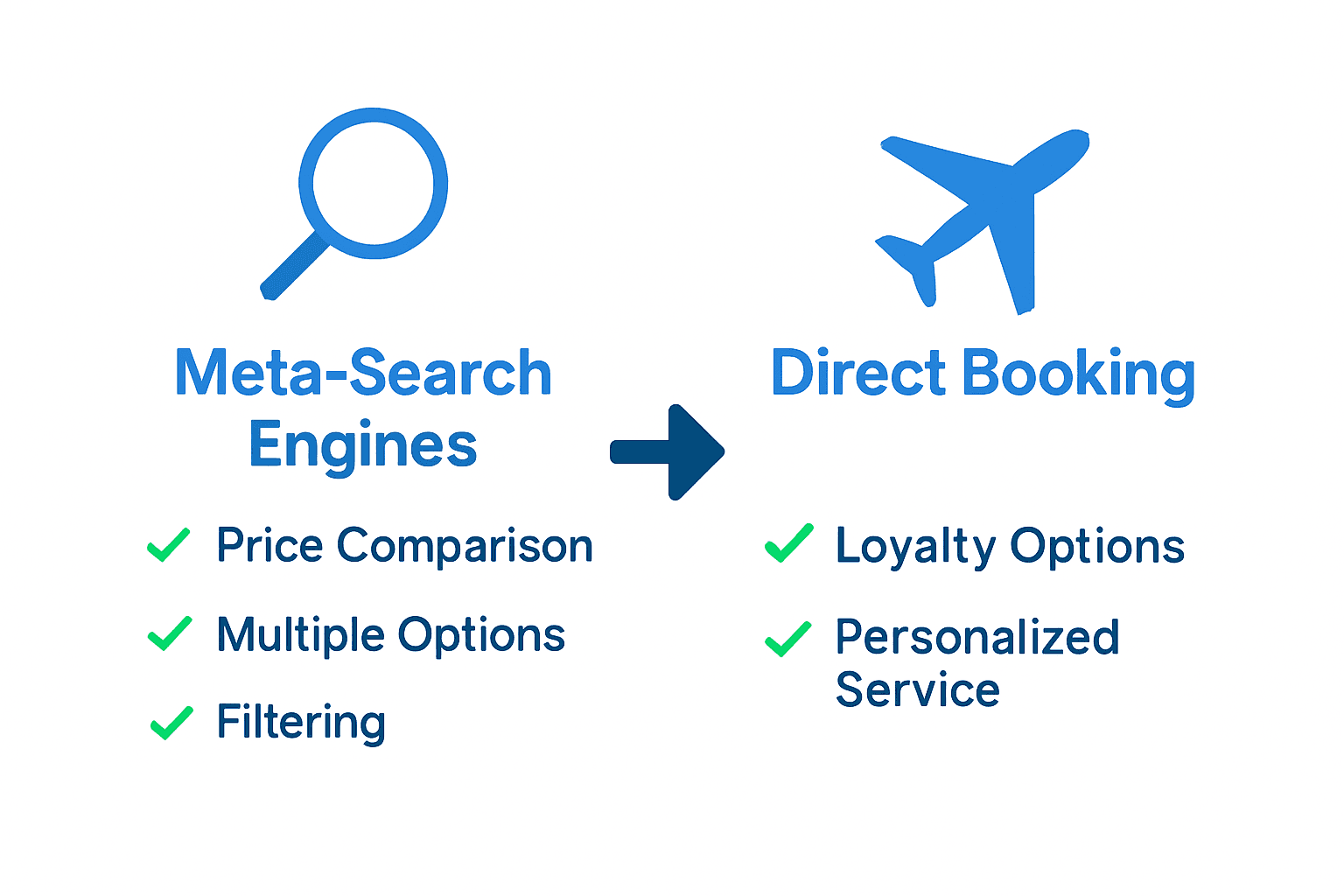
User Benefits are substantial and transformative. Travelers can instantly compare prices across multiple platforms, saving significant time and money. The ability to filter search results by price, dates, airlines, and specific preferences gives users unprecedented control over their travel planning. However, these platforms are not without drawbacks. Some meta-search engines only provide initial pricing information, requiring users to complete bookings on external sites, which can introduce additional complexity and potential pricing discrepancies.
Key advantages and potential challenges include:
Benefits:
- Comprehensive price comparisons
- Real-time availability tracking
- Advanced filtering options
- Potential for significant cost savings
Drawbacks:
- Occasional redirect to multiple booking platforms
- Potential for slightly outdated pricing information
- Limited direct booking capabilities
- Varying levels of user interface complexity
For travelers seeking to navigate these platforms effectively, understanding the benefits of travel comparison sites becomes an essential strategy in modern travel planning.
Comparing Alternatives to Meta-Search Solutions
Travelers have multiple options beyond traditional meta-search platforms when seeking the most competitive travel deals. FlightsFinder.com exemplifies the innovative approach of a ‘meta-meta search’ engine, demonstrating how technology continues to evolve in helping consumers find the most affordable travel options.
Alternative Travel Booking Strategies range from direct airline websites to specialized booking platforms. While meta-search engines aggregate information, these alternatives offer unique advantages. Some travelers prefer direct bookings for more control, while others explore niche platforms like Tripcombi, which historically used advanced techniques such as hidden flight routing to uncover unique pricing opportunities.
Key alternatives to meta-search solutions include:
- Direct Airline Websites
- Online Travel Agencies (OTAs)
- Consolidated Fare Websites
- Travel Membership Platforms
- Subscription-Based Deal Services
For travelers looking to maximize their booking strategy, why use travel comparison sites provides critical insights into navigating the complex world of travel pricing and booking options.
Unlock the Power of Travel Meta-Search to Save Big
Navigating the complex world of travel deals can feel overwhelming when you are trying to find the best prices across flights, hotels, and rentals all at once. This article reveals how travel meta-search technology helps by comparing countless providers in real-time but knowing where to start and how to act on this information remains a challenge for many travelers eager to save money. With goals like discovering the lowest fares quickly and avoiding hidden booking pitfalls, travelers face common hurdles such as scattered information and time-consuming searches.
At PilotTravelDeals.com, we transform this challenge into a simple and rewarding experience by using powerful meta-search methods tailored to your unique trip needs. Our platform offers up to 80 percent savings by aggregating deals from multiple sources so you never miss a better price. We invite you to explore our Travel Tips section for expert advice on maximizing your travel planning.

Ready to stop wasting time and start traveling smarter Use the advantage of comprehensive price comparisons and easy navigation at PilotTravelDeals.com now and take control of your next trip. Dive into our Miscellaneous category for more surprising ways to enhance your journey. Don’t wait prices can change fast so discover deals today and book with confidence.
Frequently Asked Questions
What is travel meta-search technology?
Travel meta-search technology aggregates pricing information from various booking sites, airlines, and travel agencies to help travelers compare prices and find the best travel deals.
How do travel meta-search engines operate?
These engines send simultaneous queries to multiple booking sites, extracting real-time pricing and availability data through advanced algorithms, allowing users to compare options easily.
What are the benefits of using travel meta-search platforms?
Travel meta-search platforms provide comprehensive price comparisons, real-time availability tracking, advanced filtering options, and potential cost savings, making them valuable tools for travelers seeking the best deals.
What are the drawbacks of using travel meta-search engines?
Some drawbacks include the possibility of being redirected to multiple booking platforms, occasionally outdated pricing information, and varying levels of user interface complexity, which can complicate the booking process.

