Booking flights often feels like wrangling a maze of dates, routes, and endless airline choices. But brace yourself for this. Up to 70 percent of global travel bookings now happen through digital platforms, not old school travel agents. And guess what—those platforms do much more than just show you ticket prices. They use complex algorithms and real time data to transform how you choose flights, making what once felt overwhelming into something you can actually master.
Table of Contents
- What Is The Workflow For Booking Flights?
- Why Understanding Flight Booking Matters
- Key Concepts In Flight Booking Workflows
- How Flight Search And Comparison Works
- The Role Of Travel Agencies And Online Platforms
Quick Summary
| Takeaway | Explanation |
|---|---|
| Define travel parameters early | Establish destination, dates, and budget to guide your search effectively. |
| Research routes and prices thoroughly | Analyze different airlines and fare classes for optimal options and savings. |
| Be flexible with dates | Adjusting travel dates can lead to better deals and lower prices. |
| Understand cancellation policies | Knowledge of policies helps mitigate risks if travel plans change unexpectedly. |
| Utilize travel comparison platforms | Leverage digital tools for real-time price comparisons and route options to simplify booking. |
What is the Workflow for Booking Flights?
Understanding the workflow for booking flights involves recognizing a systematic process that transforms travel planning from a complex task into a structured, manageable journey. The workflow is essentially a strategic approach travelers use to navigate the intricate landscape of flight selection, pricing, and reservation.
The Conceptual Framework of Flight Booking
At its core, the workflow for booking flights represents a deliberate sequence of decision making and information gathering. Travelers start by defining their fundamental travel parameters like destination, travel dates, passenger count, and budget constraints. This initial phase is critical because it establishes the foundational criteria that will guide subsequent selection processes.
The workflow typically involves several interconnected stages that require careful consideration and strategic evaluation. According to International Air Transport Association, flight booking workflows have become increasingly digital and user centric, emphasizing seamless technological integration.
Key Components of Flight Booking Decision Making
Successful flight booking workflows incorporate multiple critical components that help travelers make informed decisions:
- Destination Research: Understanding route availability, potential connection options, and travel restrictions
- Price Comparison: Evaluating different airlines, fare classes, and promotional offerings
- Flexibility Assessment: Analyzing alternative travel dates and potential cost variations
Travelers who understand this workflow can transform what might seem like a complicated process into a systematic and potentially cost effective experience. Check out our guide on saving big on flight bookings to learn more strategic approaches to navigating flight reservations.
The workflow is not merely a transactional process but a strategic approach that requires thoughtful navigation of multiple variables. By breaking down complex travel planning into structured steps, travelers can approach flight bookings with confidence and clarity, ultimately making more informed and economical travel decisions.
The table below summarizes the main components that make up effective flight booking workflows, helping readers quickly compare and understand each element’s significance.
| Component | Description | Benefit |
|---|---|---|
| Destination Research | Analyzing route availability, possible connections, and travel restrictions | Ensures logistical feasibility |
| Price Comparison | Evaluating different airlines, fare classes, and promotions | Identifies optimal pricing |
| Flexibility Assessment | Examining alternative travel dates and cost variations | Increases opportunity for savings |
| Price Sensitivity | Recognizing how timing impacts ticket costs | Allows for strategic booking |
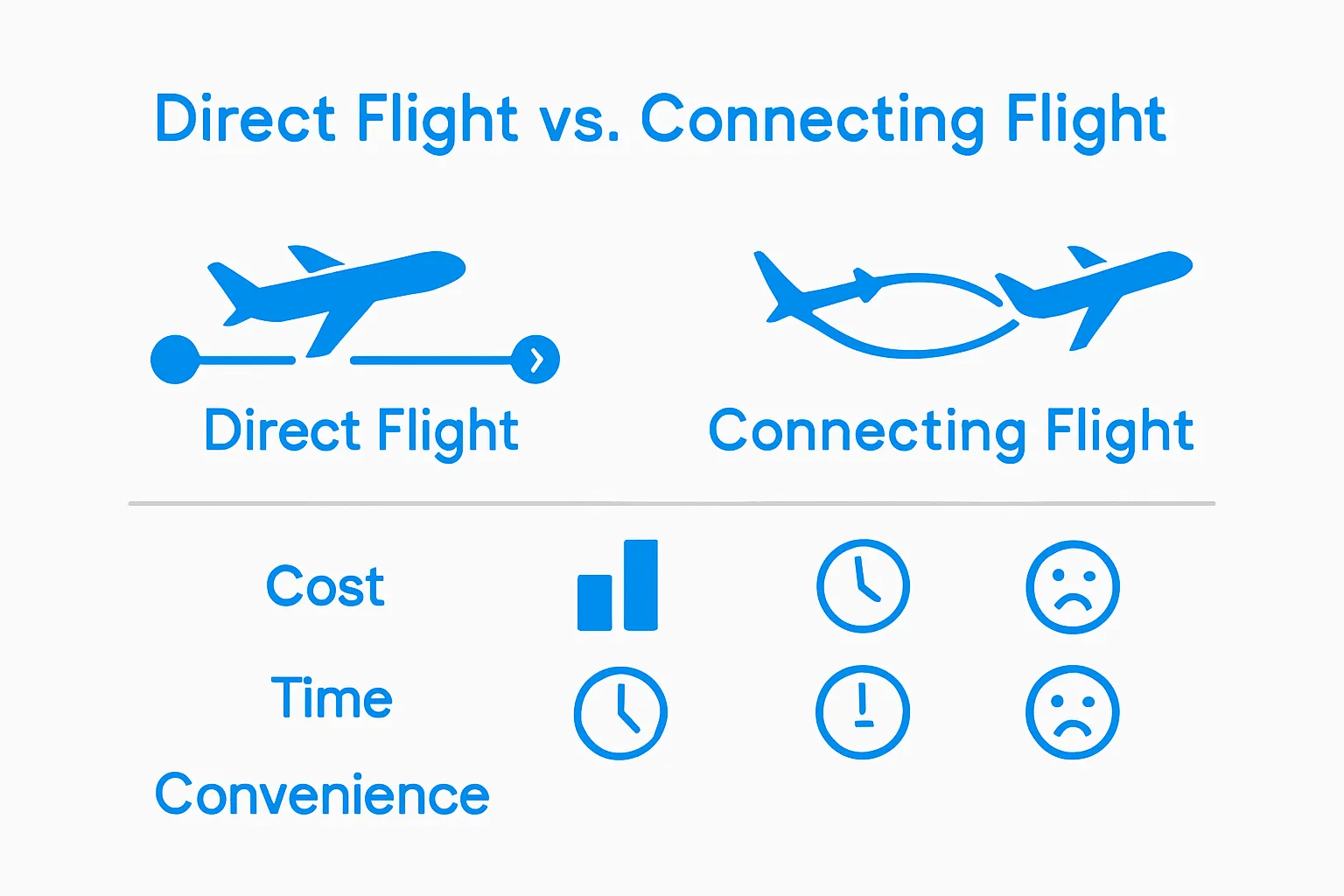
| Route Optimization | Comparing direct vs. connecting flights for cost and convenience | Balances savings and travel comfort |
| Flexibility Parameters | Planning for potential changes and understanding related financial implications | Reduces risk of unexpected expenses |
Why Understanding Flight Booking Matters
Understanding flight booking is more than a technical skill it is a strategic approach that can significantly impact travel experiences, financial outcomes, and personal comfort. Travelers who invest time in comprehending the nuanced landscape of flight reservations position themselves to make smarter, more informed decisions.
Financial Implications of Booking Knowledge
Mastering the workflow for booking flights directly translates into potential financial savings. Travelers armed with comprehensive booking knowledge can identify price variations, understand fare structures, and recognize optimal booking windows. According to MIT Sloan Management Review, understanding pricing algorithms can help travelers save up to 20% on flight costs by strategically timing their bookings.
Risk Management and Travel Preparedness
Comprehensive flight booking knowledge serves as a powerful risk management tool. Travelers who understand booking intricacies can:
- Anticipate potential travel disruptions
- Understand cancellation and modification policies
- Navigate complex international travel regulations
- Protect themselves against unexpected financial losses
Understand more about airline fare structures to further enhance your booking strategies. Knowledge empowers travelers to make proactive choices rather than reactive decisions.
Beyond immediate financial benefits, understanding flight booking workflows provides travelers with a sense of control and confidence. It transforms the often stressful process of travel planning into a manageable and even enjoyable experience. By demystifying the complexities of flight reservations, travelers can focus on the excitement of their upcoming journeys rather than getting bogged down by logistical challenges.

Key Concepts in Flight Booking Workflows
Flight booking workflows represent a sophisticated intersection of technological processes, consumer behavior, and strategic decision making. Understanding these key concepts provides travelers with insights that transform booking from a transactional experience to a strategic planning endeavor.
Fundamental Elements of Booking Complexity
At the core of flight booking workflows are several critical elements that shape the entire reservation process. Fare classes and booking codes create a complex ecosystem where pricing dynamically shifts based on multiple interconnected variables. According to Harvard Business Review, these systems involve intricate algorithms that adjust prices in real time based on demand, seasonality, and competitive market conditions.
Strategic Decision Making Components
Effective flight booking workflows incorporate multiple strategic decision making components that travelers must navigate:
- Price Sensitivity: Understanding how small timing variations can significantly impact ticket costs
- Route Optimization: Evaluating direct versus connecting flights for cost and convenience
- Flexibility Parameters: Assessing potential changes in travel plans and associated financial implications
Learn more about business travel booking strategies to enhance your workflow understanding. Professional travelers often leverage these nuanced insights to maximize travel efficiency and minimize expenses.
The complexity of flight booking workflows extends beyond simple price comparisons. These workflows represent sophisticated systems that integrate technological platforms, consumer preferences, and complex pricing mechanisms. By comprehending these underlying concepts, travelers can transform their approach from reactive purchasing to strategic travel planning.
How Flight Search and Comparison Works
Flight search and comparison represent sophisticated technological ecosystems that transform complex travel data into accessible, user friendly interfaces. These systems leverage advanced algorithms and massive databases to provide travelers with comprehensive insights into available flight options.
Technological Infrastructure of Search Platforms
Modern flight search platforms operate through intricate technological networks that aggregate data from multiple airlines, global distribution systems, and travel providers.
VIDEO:video_content] Real time data processing enables these platforms to continuously update pricing, availability, and route information within milliseconds. According to [MIT Technology Review, these systems process billions of data points simultaneously to generate accurate search results.
Core Components of Flight Comparison
Effective flight search and comparison platforms integrate several critical technological components:
- Route Mapping: Identifying direct and connecting flight possibilities across global networks
- Dynamic Pricing Algorithms: Calculating real time price variations based on demand, seasonality, and market conditions
- Filtering Mechanisms: Allowing users to customize search parameters like price range, travel times, and airline preferences
Learn more about travel comparison site benefits to understand how these platforms streamline travel planning. The complexity behind these search systems transforms what was once a time consuming process into a seamless, efficient experience for travelers seeking optimal flight options.
The Role of Travel Agencies and Online Platforms
Travel agencies and online platforms have fundamentally transformed the flight booking landscape, serving as critical intermediaries between travelers and airlines. These sophisticated systems bridge information gaps, provide comparative insights, and simplify the complex process of travel planning.
Evolving Technological Mediation
Modern travel platforms function as advanced technological ecosystems that aggregate and synthesize flight information from multiple sources. Digital intermediation has replaced traditional manual booking processes, enabling travelers to access comprehensive flight options with unprecedented speed and accuracy. According to Deloitte Digital Research, these platforms now process over 70% of global travel bookings through digital channels.
Critical Functions in Flight Booking
Travel agencies and online platforms provide several essential functions that enhance the booking experience:
- Price Transparency: Presenting comprehensive pricing information from multiple airlines
- Comparative Analysis: Enabling side by side evaluation of flight options
- Personalized Recommendations: Utilizing machine learning to suggest optimal travel solutions
Explore different types of travel booking sites to understand the nuanced approaches these platforms employ. By leveraging advanced technologies, these intermediaries have revolutionized how travelers research, compare, and ultimately purchase flight tickets, transforming a traditionally complex process into a streamlined, user friendly experience.
This table outlines the primary functions of travel agencies and online platforms in the flight booking process, providing a clear comparison for travelers.
| Platform Function | Description | Impact on Traveler |
|---|---|---|
| Price Transparency | Shows comprehensive pricing information from multiple airlines | Enables informed price decisions |
| Comparative Analysis | Provides side by side evaluation of different flight options | Simplifies selection process |
| Personalized Recommendations | Uses machine learning to suggest best-fit flights for user preferences | Enhances traveler satisfaction |
| Aggregation of Data | Collects flight info from various sources for real-time accessibility | Saves time and broadens choice |
| Booking Facilitation | Streamlines the reservation and payment process | Reduces complexity and hassle |
Streamline Your Flight Booking Experience with PilotTravelDeals.com
Feeling overwhelmed by the complex workflow of booking flights? Navigating fare classes, comparing prices, and staying within budget can be stressful, especially when faced with ever-changing options. At PilotTravelDeals.com, we understand how important it is to turn confusion into clarity and save both time and money in the process. Dive deeper into proven travel strategies with our expert Travel Tips that address the exact pain points highlighted in this article.

Ready to work smarter instead of harder on your next trip? Start comparing real-time deals on flights, hotels, and more across trusted providers—all in one place. Take advantage of savings up to 80 percent and discover an easier way to navigate every step of your reservation. Take control now with PilotTravelDeals.com and transform the way you book your travels.
Frequently Asked Questions
What is the first step in the flight booking workflow?
The first step in the flight booking workflow is defining your travel parameters, including your destination, travel dates, passenger count, and budget constraints. This initial phase serves as a foundation for your flight selections.
How can I effectively compare flight prices across different airlines?
You can effectively compare flight prices by utilizing flight search and comparison platforms that aggregate data from various airlines. These platforms feature advanced filtering mechanisms that allow you to customize your search parameters according to price range, travel times, and airline preferences.
Why is it important to understand fare classes in flight bookings?
Understanding fare classes is important because it allows travelers to comprehend how pricing is structured and how it can vary based on demand, seasonality, and market conditions. This knowledge can lead to smarter purchasing decisions and potential savings on ticket costs.
What role do online travel platforms play in the flight booking workflow?
Online travel platforms function as intermediaries that aggregate flight information from multiple sources, providing price transparency, comparative analysis, and personalized recommendations to enhance the booking experience for travelers.
Recommended
- Essential Tips for Booking Flights: Save Big Today – PilotTravelDeals.com
- Understanding the Essentials of Business Travel Booking Guide – PilotTravelDeals.com
- Understanding Types of Travel Booking Sites for Your Needs – PilotTravelDeals.com
- Understanding Who Sets Airline Fares and Why It Matters – PilotTravelDeals.com