
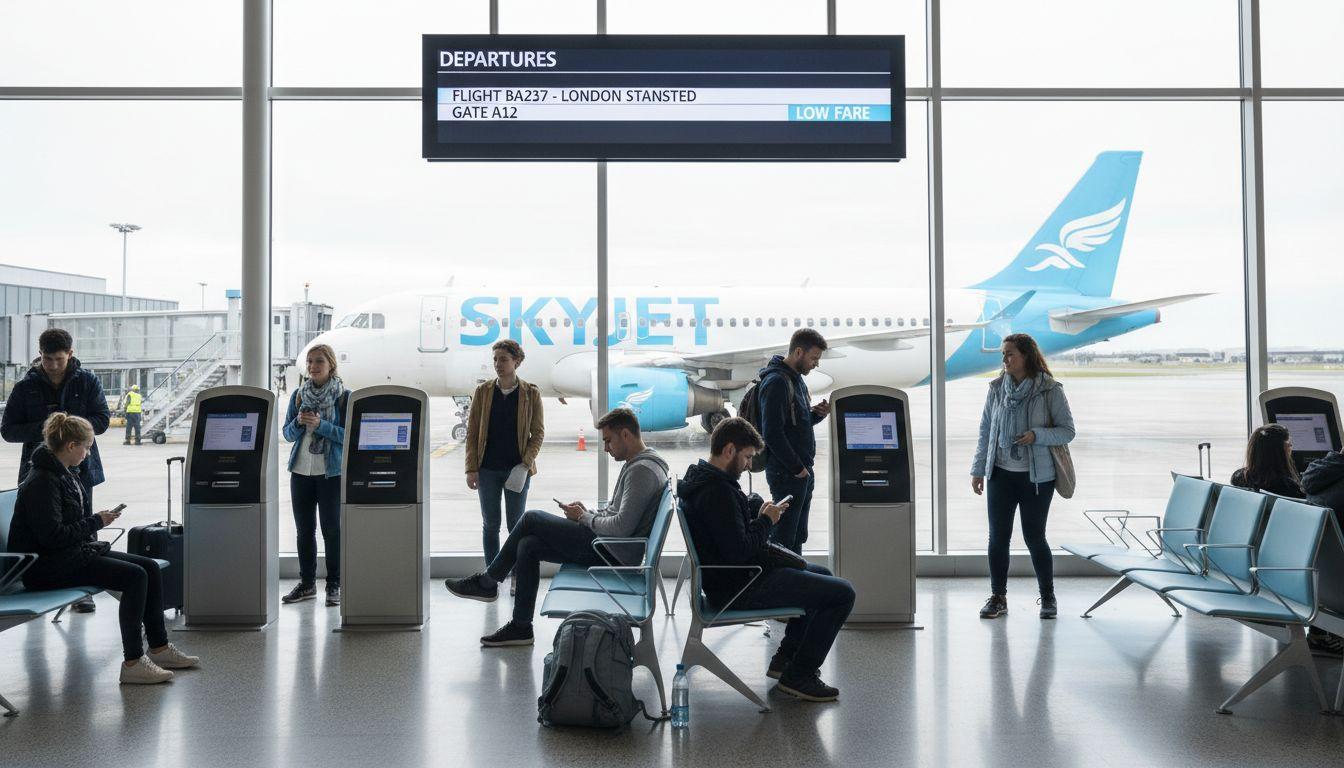
Over half of american travelers have used a budget airline at least once, yet myths about safety and hidden costs still linger. With more people seeking affordable ways to explore new places, understanding how these airlines truly operate can make a big difference in your travel plans. This guide breaks down what you really get with budget carriers, clears up common misconceptions, and helps you spot the best value for your money.
Table of Contents
- Defining Budget Airlines And Common Myths
- Types Of Budget Airlines Worldwide
- How Budget Airlines Cut Costs
- Key Benefits For Travelers
- Potential Drawbacks And Hidden Fees
- Budget Airlines Vs. Full-Service Carriers
Key Takeaways
| Point | Details |
|---|---|
| Understanding Budget Airlines | Budget airlines offer lower ticket prices by minimizing operational costs, often using a single aircraft fleet, lower-cost airports, and efficient processes. |
| Common Misconceptions | Many travelers mistakenly believe budget airlines compromise safety and service, while studies show they maintain rigorous safety protocols akin to traditional carriers. |
| Cost-Cutting Strategies | Budget airlines cut costs through simplified fleet operations, single-class seating, and charging for additional services, allowing for competitive fares without sacrificing safety. |
| Choosing the Right Airline | Travelers should assess their preferences between budget and full-service carriers, balancing cost savings with desired comfort and flexibility in services. |
Defining Budget Airlines And Common Myths
Budget airlines represent a revolutionary segment in air travel, offering affordable transportation options that have transformed how people explore the world. These carriers strategically minimize operational costs to provide travelers with significantly lower ticket prices compared to traditional airlines.
According to research from the World Bank’s aviation analysis, budget airlines typically share several distinctive operational characteristics. These include maintaining a single aircraft fleet type, eliminating complimentary in-flight services, utilizing secondary airports, and implementing ultra-efficient boarding and turnaround processes. Such strategies allow them to dramatically reduce expenses while maintaining competitive pricing.
Despite their popularity, budget airlines face numerous misconceptions. Many travelers mistakenly believe these carriers compromise safety standards or provide substandard service. However, international transportation studies consistently demonstrate that budget airlines maintain rigorous safety protocols equivalent to traditional carriers. The primary differences lie in their streamlined service model, not in their commitment to passenger security.
Common myths about budget airlines include:
- They are less safe than traditional airlines
- Their flights always experience significant delays
- Hidden fees make ticket prices substantially higher
- Limited route networks restrict travel options
Understanding these carriers requires recognizing their innovative approach to air travel. By focusing on efficiency and cost reduction, budget airlines have democratized travel, making global exploration more accessible to budget-conscious travelers seeking affordable transportation options.
Types Of Budget Airlines Worldwide
Budget airlines have evolved into diverse operational models, reflecting the complexity and adaptability of modern air travel. Global aviation research reveals three primary categories of low-cost carriers that dominate the international transportation landscape.
The first model, known as the Purist Model, exemplified by carriers like Ryanair, represents the most stripped-down approach to budget travel. These airlines focus exclusively on minimizing costs by offering bare-minimum services, utilizing secondary airports, and implementing ultra-efficient turnaround strategies. Their fleet typically consists of a single aircraft type to reduce maintenance and training expenses.
A second approach, the Southwest Model, provides slightly enhanced service levels while maintaining competitive pricing. These carriers offer marginally more comfort and flexibility compared to pure budget airlines, often targeting travelers seeking a balance between affordability and basic amenities. Comparative studies of international transportation systems highlight how these airlines adapt their strategies to regional market demands.
The third category, represented by carriers like JetBlue, represents a more Hybrid Budget Model. These airlines incorporate additional features while preserving cost-effective operations:
- More diverse aircraft fleet configurations
- Occasional complimentary services
- Slightly higher ticket prices with improved passenger experience
- More flexible routing options
Understanding these varied models helps travelers make informed choices about their budget airline experience, recognizing that not all low-cost carriers operate identically. The global budget airline landscape continues to evolve, offering increasingly sophisticated options for cost-conscious travelers seeking efficient and affordable transportation.
How Budget Airlines Cut Costs
Cost reduction is the cornerstone of budget airline operations, with carriers implementing sophisticated strategies to minimize expenses while maintaining competitive service levels. Innovative operational research reveals multiple sophisticated approaches these airlines use to dramatically reduce their financial overhead.
One primary cost-cutting mechanism involves fleet and operational optimization. Budget airlines typically maintain a uniform aircraft fleet, which significantly reduces maintenance, training, and spare parts expenses. Engineering studies of airline efficiency demonstrate how simplifying fleet composition can dramatically decrease operational complexity and associated costs.
Additional cost reduction strategies include:
- Operating exclusively single-class seating configurations
- Utilizing secondary, lower-cost airports
- Minimizing aircraft turnaround times
- Implementing ultra-lean staffing models
- Charging for supplementary services like baggage and seat selection
- Maximizing cabin capacity through redesigned seating arrangements
The most successful budget airlines transform cost-cutting from a limitation into a competitive advantage. By ruthlessly eliminating unnecessary expenses and streamlining every aspect of their operations, these carriers provide travelers with affordable transportation options without compromising fundamental safety and reliability standards. Their approach represents a radical reimagining of traditional airline business models, prioritizing efficiency and value over conventional service expectations.
Key Benefits For Travelers
Budget airlines have revolutionized travel by making air transportation dramatically more accessible and affordable for millions of travelers worldwide. Emerging research in travel technology demonstrates how these carriers have fundamentally transformed the way people approach transportation, offering unprecedented opportunities for exploration and mobility.
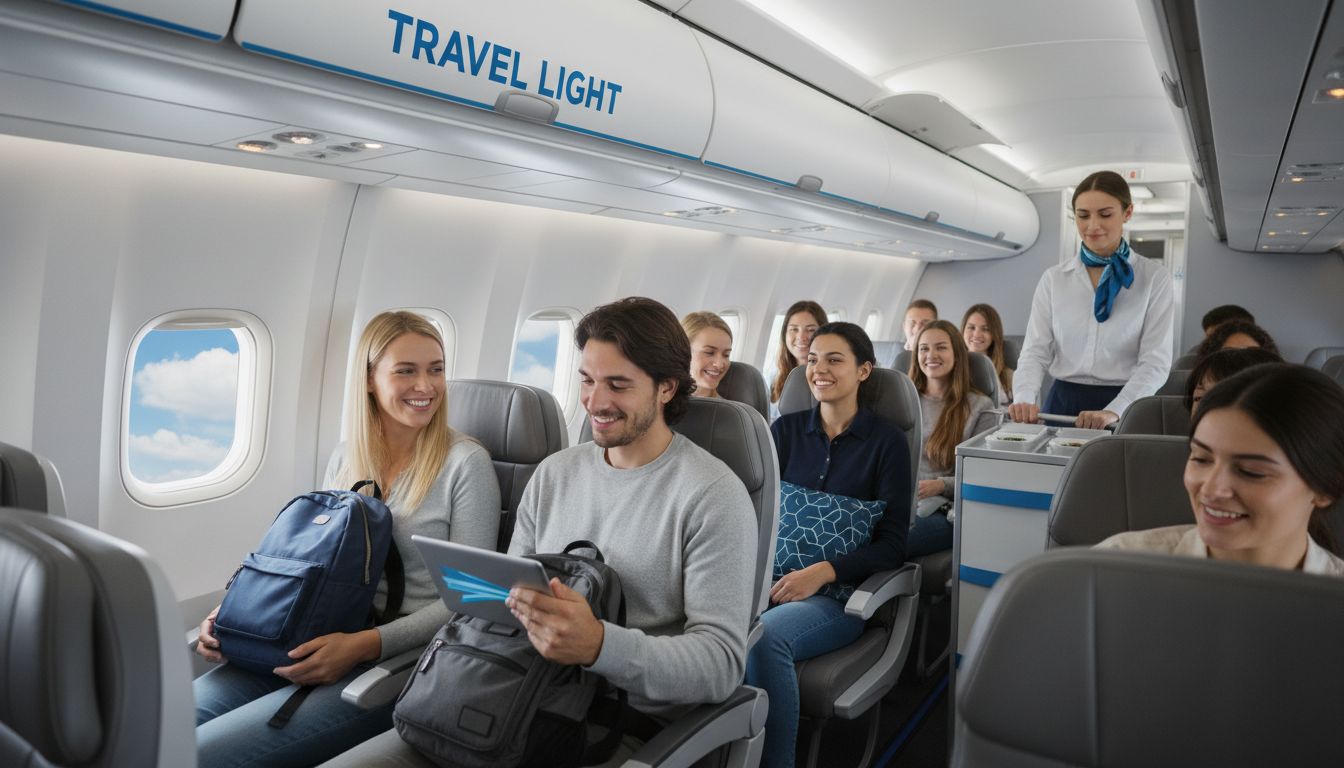
The primary advantage of budget airlines remains their ability to dramatically reduce travel costs. International economic studies reveal that these carriers have expanded travel markets by providing significantly lower fares, enabling individuals and families who previously could not afford air travel to explore new destinations. This democratization of travel has profound implications for tourism, personal experiences, and global connectivity.
Key benefits for travelers include:
- Substantially lower ticket prices compared to traditional carriers
- Increased flight frequency to multiple destinations
- More flexible routing options
- Opportunities to explore previously unaffordable locations
- Greater competition driving overall market prices down
- Simplified booking processes
Beyond financial advantages, budget airlines offer travelers unprecedented freedom and flexibility. By eliminating unnecessary frills and focusing on core transportation needs, these carriers have created a travel ecosystem that prioritizes affordability, accessibility, and personal choice. Travelers can now customize their journey, selecting only the services they truly need and creating more personalized travel experiences that align with their individual preferences and budget constraints.
Potential Drawbacks And Hidden Fees
Budget airlines have mastered the art of offering low initial ticket prices, but travelers must carefully navigate the complex landscape of additional charges and potential unexpected expenses. Operational research in transportation economics reveals a sophisticated pricing strategy that can significantly impact the total cost of travel.
Comprehensive studies of airline fee structures highlight the numerous supplementary charges that can quickly inflate the seemingly affordable base fare. These hidden fees often include:
- Checked baggage expenses
- Seat selection charges
- Priority boarding fees
- In-flight meal costs
- Carry-on luggage surcharges
- Credit card processing fees
- Print-at-airport ticket fees
The most significant challenge for budget-conscious travelers involves calculating the true total cost of their journey. While base fares may appear dramatically lower than traditional airlines, the cumulative effect of these additional charges can potentially negate initial savings. Smart travelers must carefully assess and anticipate these extra expenses, comparing the total cost across multiple carriers before making a final booking decision.
Ultimately, successfully navigating budget airline pricing requires a strategic approach. Travelers can mitigate unexpected costs by carefully reading fine print, understanding fee structures in advance, and making calculated choices about which additional services they truly need. The key is to transform these potential drawbacks into an opportunity for more intentional and cost-effective travel planning.
Budget Airlines Vs. Full-Service Carriers
Airline market segmentation represents a critical distinction in modern travel, with budget airlines and full-service carriers offering fundamentally different approaches to passenger transportation. Comparative economic research reveals nuanced differences that extend far beyond simple price variations.
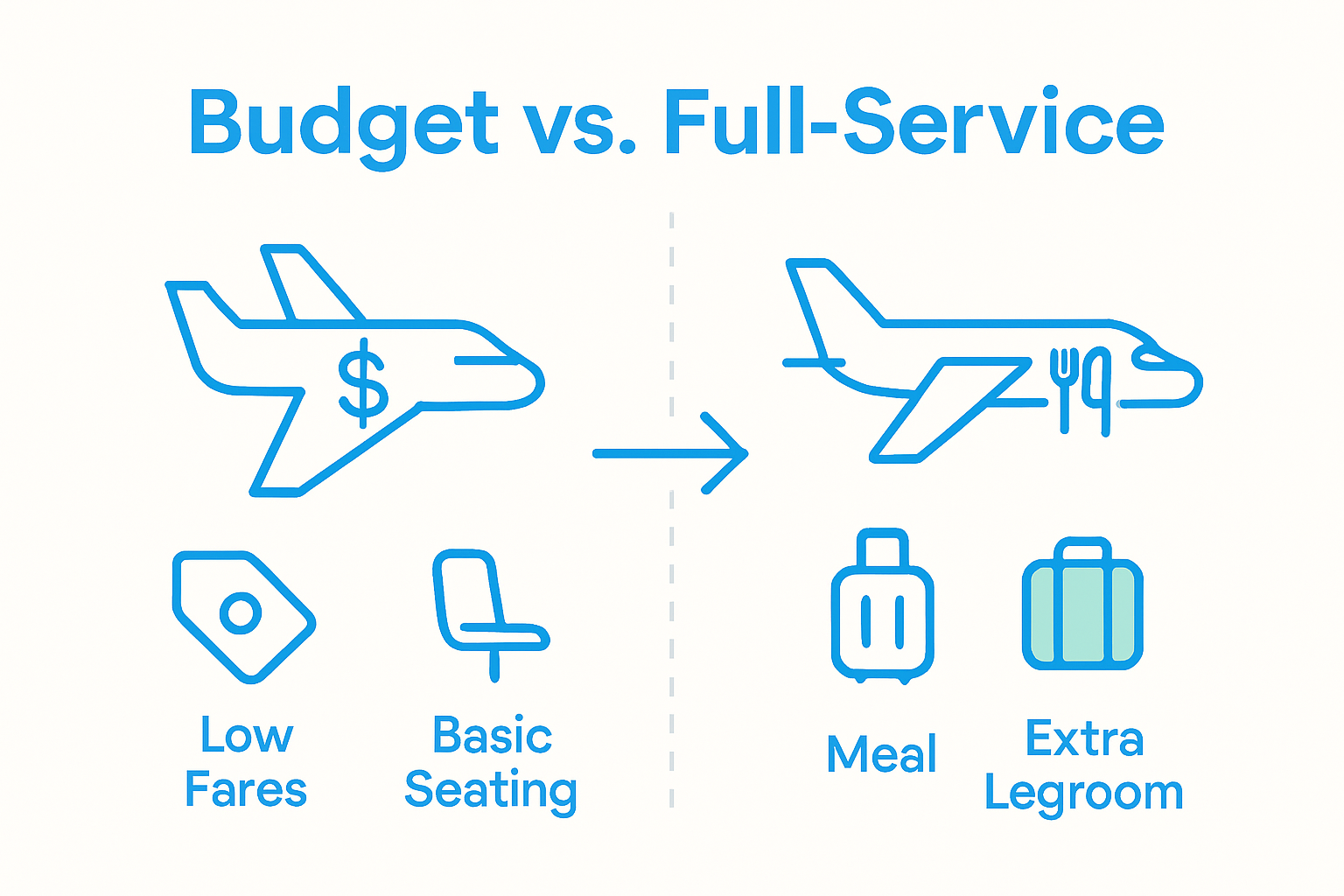
Transportation industry analyses demonstrate that budget airlines and full-service carriers target distinctly different passenger segments. Budget airlines prioritize price-sensitive travelers seeking bare-minimum transportation, while full-service carriers cater to passengers valuing comfort, comprehensive services, and seamless travel experiences.
Key differences between budget and full-service carriers include:
- Pricing structure
- Service level and amenities
- Route network complexity
- Baggage allowance policies
- Seat comfort and configuration
- In-flight entertainment options
- Customer service approach
- Loyalty program structures
Ultimately, the choice between budget and full-service airlines depends on individual travel priorities. Savvy travelers assess their specific needs, weighing cost savings against desired comfort and conveniences. While budget airlines offer significant financial advantages, full-service carriers provide a more comprehensive travel experience that might justify their higher pricing for certain passengers.
Unlock the True Value of Budget Airlines with PilotTravelDeals
Choosing budget airlines means embracing affordability without compromising safety or flexibility. This article highlights common challenges like hidden fees and service trade-offs that travelers face while flying low-cost carriers. If you want to navigate these issues and enjoy the full benefits of budget travel, understanding fees, flight options, and cost-saving strategies is essential. PilotTravelDeals.com empowers you to do just that with easy access to the best flight deals and comprehensive travel tips.

Start your journey smarter by exploring our Travel Tips – PilotTravelDeals.com where you can find advice to avoid hidden charges and maximize your airline experience. Then use our platform at PilotTravelDeals.com to compare hundreds of budget airline offers across numerous destinations. Take control of your travel costs today by visiting Miscellaneous – PilotTravelDeals.com for additional resources and stay one step ahead in planning your next affordable adventure.
Frequently Asked Questions
What are the main advantages of flying with budget airlines?
Budget airlines offer significantly lower ticket prices, increased flight frequency, more flexible routing options, and opportunities to explore destinations that may have previously been unaffordable. They focus on core transportation needs, allowing travelers to customize their journey based on their individual preferences and budget constraints.
Are budget airlines safe to fly with?
Yes, budget airlines maintain rigorous safety protocols that are equivalent to those of traditional carriers. The key differences lie in their streamlined service models rather than their commitment to passenger safety.
What hidden fees should I be aware of when booking with budget airlines?
Common hidden fees include charges for checked baggage, seat selection, priority boarding, in-flight meals, carry-on luggage, credit card processing, and print-at-airport tickets. It’s important to review the total cost before making a booking.
How do budget airlines cut costs compared to full-service carriers?
Budget airlines cut costs by maintaining a uniform fleet, utilizing secondary airports, minimizing turnaround times, implementing lean staffing models, and charging for additional services. This operational efficiency allows them to provide affordable fares without compromising safety.
