More than 80 percent of American companies say business travel is one of their biggest controllable expenses. With costs rising fast and employee travel becoming more complex, getting a handle on business travel budgeting is crucial for staying profitable. This guide explains how American organizations can build smarter, more transparent travel budgets, use the latest tools, and set clear rules to make every dollar count.
Table of Contents
- Defining The Business Travel Budgeting Process
- Key Categories Of Business Travel Expenses
- Step-By-Step Budget Planning Process
- Reimbursement Policies And Expense Rules
- Tips To Minimize Business Travel Costs
Key Takeaways
| Point | Details |
|---|---|
| Efficient Budgeting Process | Business travel budgeting requires a systematic approach, utilizing technology for real-time tracking and management of costs. |
| Understanding Expense Categories | Organizations should categorize business travel expenses comprehensively to optimize budgeting and financial forecasting. |
| Clear Policies and Reimbursement | Establishing clear travel policies and reimbursement guidelines is essential for ensuring compliance and managing costs effectively. |
| Cost-Reduction Strategies | Companies can minimize travel expenses by negotiating corporate rates, implementing advance booking policies, and leveraging technology for insights. |
Defining the Business Travel Budgeting Process
Business travel budgeting is a systematic financial planning approach designed to manage and optimize corporate travel expenses effectively. At its core, the process involves strategically allocating financial resources for employee travel while maintaining fiscal responsibility and transparency. Integrating travel and expense management software has become crucial in creating robust budgeting frameworks that provide real-time spending insights and control.
Successful business travel budgeting requires a comprehensive understanding of multiple cost categories. These typically include transportation expenses (airfare, ground transportation), accommodation costs, meal allowances, communication expenses, and potential incidental charges. Organizations must develop detailed tracking mechanisms that capture every aspect of travel spending, enabling precise financial forecasting and identifying potential areas for cost optimization.
The budgeting process also demands establishing clear corporate travel policies that outline spending guidelines, approval workflows, and reimbursement protocols. This structured approach helps prevent unauthorized expenditures and ensures employees understand their financial boundaries. Modern businesses increasingly leverage technology to streamline these processes, utilizing advanced tools that offer pre-trip approval workflows, budget-friendly booking recommendations, and automated expense reporting systems.
Pro Tip: Create a Dynamic Budget Template: Develop a flexible spreadsheet that allows real-time tracking of travel expenses, with separate columns for predicted and actual costs, enabling immediate visibility into spending patterns and potential budget adjustments.
The table below compares traditional travel budgeting methods with technology-enhanced approaches:
| Approach | Features | Advantages |
|---|---|---|
| Manual Spreadsheets | Static tracking, manual updates | Low cost, easy setup |
| Expense Management Software | Automated tracking, policy alerts | Real-time data, accuracy |
| Integrated Travel Platforms | Booking, budgeting, reporting tools | Streamlined process, insights |
| Prepaid Corporate Cards | Upfront controls, instant reporting | Limits overspending, fast approval |
Key Categories of Business Travel Expenses
Business travel expenses encompass a complex array of financial considerations that organizations must carefully manage. Comprehensive expense tracking involves understanding multiple distinct spending categories that go far beyond simple transportation and accommodation costs. These categories typically include transportation, lodging, meals, incidental expenses, communication costs, and potential event-related charges that collectively contribute to the overall travel budget.
Transportation expenses represent a significant portion of business travel budgets, encompassing airfare, ground transportation, rental vehicles, taxi services, and ride-sharing platforms. Accommodation costs follow closely, including hotel rooms, corporate housing, and potential long-term stay arrangements. Meal and entertainment expenses further complicate budgeting, with companies often establishing per diem rates or reimbursement protocols for employee dining and client meeting expenses.

Beyond direct travel expenses, businesses must also account for miscellaneous costs that can quickly accumulate. These include communication expenses like international phone charges, internet access, equipment rental, conference registration fees, currency conversion charges, and potential emergency or unexpected expenditures. Sophisticated organizations develop detailed tracking mechanisms that capture every potential spending category, enabling precise financial forecasting and identifying opportunities for cost optimization.
Pro Tip: Implement Granular Expense Categorization: Create a detailed expense tracking system with subcategories for each major expense type, allowing for microscopic analysis of spending patterns and enabling more strategic budget allocation decisions.
Here is a summary of key business travel expense categories and what each typically covers:
| Expense Category | Typical Items Included | Impact on Budget |
|---|---|---|
| Transportation | Airfare, car rentals, taxis, ride-shares | Often largest single cost |
| Accommodation | Hotel stays, corporate housing | Second highest expense |
| Meals & Entertainment | Daily meals, client dinners | Managed via per diem/rates |
| Communication | Phone, internet, data plans | Essential for connectivity |
| Miscellaneous | Event fees, currency conversion, emergencies | Can be unpredictable |
Step-By-Step Budget Planning Process
Crafting an effective business travel budget requires a systematic and strategic approach. Companies can develop robust budget planning processes by integrating comprehensive expense management technologies that provide real-time tracking and analytical capabilities. The budget planning process typically involves several critical stages that transform raw financial data into actionable strategic insights.
The initial phase focuses on comprehensive data analysis, which involves reviewing historical travel expenditures, identifying spending patterns, and establishing baseline metrics. Organizations must conduct a detailed examination of previous travel expenses, breaking down costs by department, individual traveler, destination, and expense category. This retrospective analysis enables businesses to develop more accurate predictive models and identify potential areas for cost reduction or optimization.
Subsequent steps in the budget planning process include setting clear financial boundaries, establishing pre-approval workflows, and implementing robust tracking mechanisms. Companies should develop explicit travel policies that outline acceptable spending limits, preferred vendors, and reimbursement protocols. Advanced expense management systems can automate much of this process, providing real-time notifications, generating detailed reports, and helping employees make budget-conscious travel decisions before and during their trips.
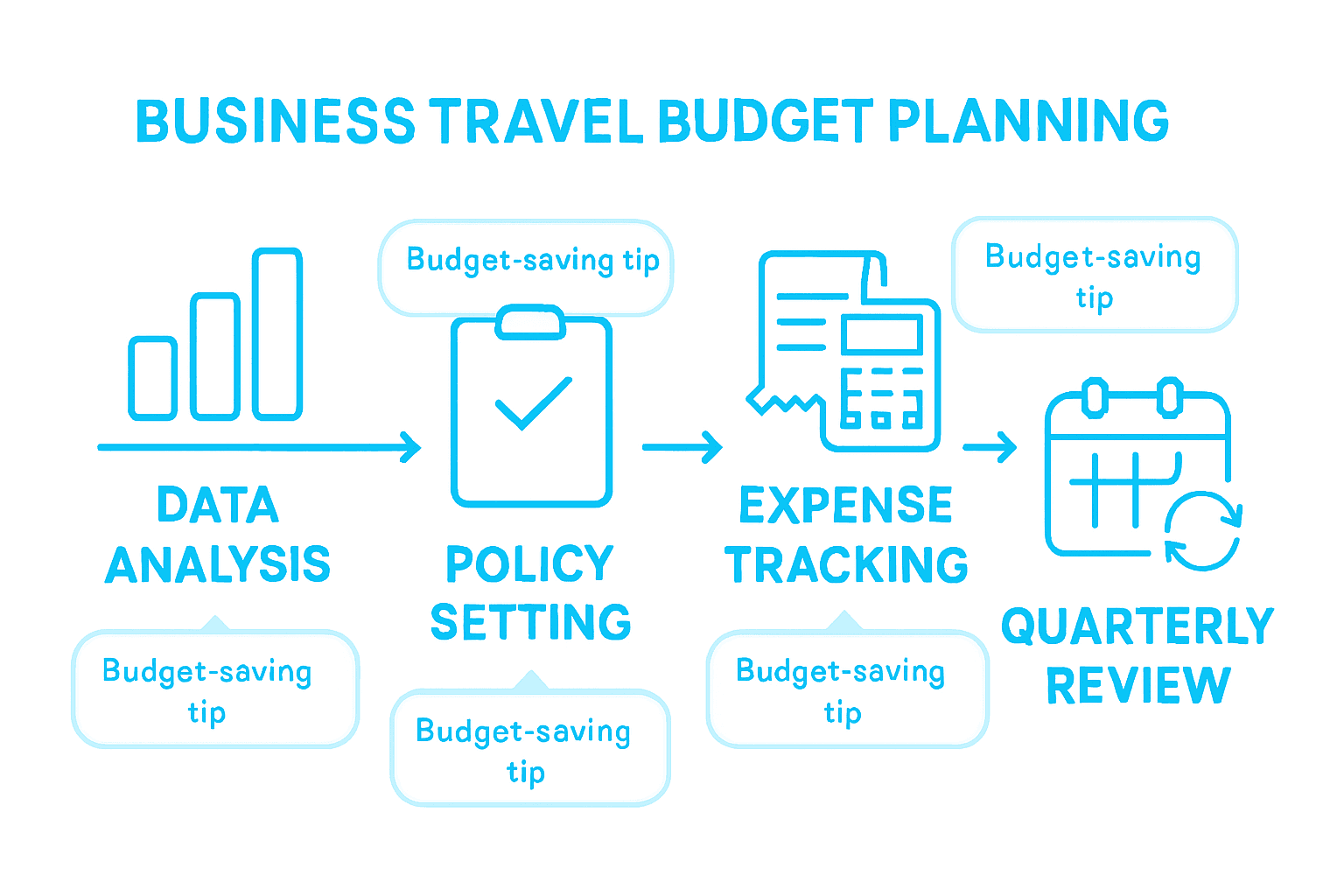
Pro Tip: Implement Quarterly Budget Recalibration: Review and adjust your travel budget every quarter, analyzing actual spending against initial projections and incorporating emerging trends to maintain financial flexibility and accuracy.
Reimbursement Policies and Expense Rules
Establishing comprehensive reimbursement policies is crucial for managing business travel expenses effectively. Organizations develop detailed travel and subsistence expense guidelines that provide clear frameworks for employees to understand spending parameters and submission procedures. These policies serve as critical governance mechanisms that protect both the company’s financial interests and employees’ ability to be fairly compensated for work-related travel expenditures.
Typical reimbursement policies include specific rules about different expense categories, documentation requirements, and approval processes. Companies typically outline acceptable expense types, such as transportation, meals, lodging, and incidental costs, with precise guidelines about maximum reimbursement amounts. Some organizations utilize per diem allowances, which provide predetermined daily rates for meals and miscellaneous expenses, simplifying the reimbursement process and providing predictable cost management.
The expense submission and approval workflow represents another critical component of reimbursement policies. Most organizations require employees to submit detailed expense reports with accompanying receipts, supporting documentation, and clear explanations of business-related purposes. Advanced companies leverage digital expense management platforms that enable real-time tracking, automated compliance checks, and streamlined approval processes, reducing administrative burden and minimizing potential errors or fraudulent submissions.
Pro Tip: Create a Digital Expense Tracking System: Develop a standardized digital template for expense reports that automatically categorizes expenses, flags potential policy violations, and provides instant feedback to employees during the submission process.
Tips to Minimize Business Travel Costs
Implementing strategic approaches to reduce business travel expenses requires a multifaceted approach that combines proactive planning, technology, and smart negotiation techniques. Organizations can significantly lower travel costs by developing comprehensive strategies that address multiple aspects of corporate travel spending, from transportation and accommodation to meal and incidental expenses.
Negotiating corporate rates represents a powerful method for reducing travel expenditures. Companies can establish long-term partnerships with airlines, hotel chains, and transportation providers to secure discounted pricing structures. These negotiated rates often provide substantial savings compared to standard market prices, especially for businesses with frequent travel requirements. Additional cost-reduction strategies include implementing flexible travel policies that encourage employees to book travel during off-peak periods, utilize economy class transportation, and select cost-effective accommodation options.
Technology plays a crucial role in minimizing business travel expenses. Advanced travel management platforms enable organizations to compare pricing, track spending patterns, and identify potential cost-saving opportunities in real-time. Companies can leverage digital tools that provide predictive analytics, automated expense tracking, and intelligent booking recommendations. These technological solutions help businesses make data-driven decisions, optimize travel budgets, and prevent unnecessary spending by providing instant insights into travel-related expenditures.
Pro Tip: Implement Advance Booking Strategies: Develop a company policy that requires employees to book travel at least 14-21 days in advance, which typically yields lower rates and provides more flexibility in selecting cost-effective travel options.
Take Control of Your Business Travel Budget Today
Managing your business travel expenses can feel overwhelming with all the categories and policies to track. This article breaks down the challenges of creating a smart budgeting process using terms like “expense management,” “pre-approval workflows,” and “reimbursement policies.” If you want to turn those budgeting headaches into savings, you need easy access to the best travel deals and clear tools to monitor your costs closely.
Save more on flights, hotels, and transportation with PilotTravelDeals.com. Our platform aggregates top offers so you can compare prices effortlessly and find discounts up to 80 percent. Combine that with expert advice from our Travel Tips section and flexible spending options from our Miscellaneous category to build your best corporate travel plan.
Start maximizing your business travel budget by exploring unbeatable deals and insights at PilotTravelDeals.com now. The smarter you plan, the more you save, so don’t wait to make your next business trip both productive and cost-effective.
Frequently Asked Questions
What are the key categories of business travel expenses?
Business travel expenses typically include transportation (airfare, ground transportation), accommodation (hotels, corporate housing), meals and entertainment, communication costs, and miscellaneous expenses like event fees and currency conversion.
How can I create an effective business travel budget?
An effective business travel budget can be created by analyzing historical travel expenses, setting clear financial boundaries, establishing approval workflows, and utilizing expense management software for real-time tracking and reporting.
What tips can help minimize business travel costs?
To minimize business travel costs, negotiate corporate rates with travel providers, implement flexible travel policies, and use technology for predictive analytics and expense tracking to identify savings opportunities.
What should be included in a company’s reimbursement policy for travel expenses?
A company’s reimbursement policy should include rules on acceptable expense types, maximum reimbursement amounts, documentation requirements, and a clear submission and approval process for expense reports.
Recommended
- Understanding the Essentials of Business Travel Booking Guide – PilotTravelDeals.com
- Understanding Why Check Budget Airlines for Smart Travel – PilotTravelDeals.com
- 7 Proven Budget Travel Tips 2025 for Smart Savings – PilotTravelDeals.com
- Complete Guide to Saving on Travel Costs – PilotTravelDeals.com
- 5 Ways to Save Money When Traveling in Costa Rica | Costa Rica Waterfall Tours
- How to Budget Effectively: Master Your Finances in 2025 – Finblog
- Bespaar op reiskosten met de NS Business Card: Een gemiste kans voor bedrijven – AlexandervanDijl.nl – Bel 020 262 1789