Booking a flight to Tokyo or snagging a hotel room in Paris sometimes feels impossible when prices spike without warning. For city dwellers trying to stretch every travel dollar, these sudden jumps turn dream getaways into tough choices. Learning how seasonal rates work lets solo travelers plan smarter and find real opportunities for savings, making global adventures more affordable all year round.
Table of Contents
- What Is Seasonal Pricing In Travel?
- Peak Vs. Off-Peak Travel Seasons Explained
- Factors Shaping Seasonal Price Fluctuations
- How To Spot And Score The Best Deals
- Common Pitfalls Solo Travelers Should Avoid
Key Takeaways
| Point | Details |
|---|---|
| Understanding Seasonal Pricing | Travel costs vary significantly based on peak and off-peak seasons, with peak times commanding higher prices due to demand. |
| Influencing Factors | Pricing fluctuations are driven by climate, local events, school vacations, and economic conditions specific to each destination. |
| Flexible Booking Strategies | Travelers can optimize their savings by utilizing technology, exploring alternative destinations, and being flexible with travel dates. |
| Safety for Solo Travelers | Solo travelers should prioritize safety by researching accommodations, maintaining awareness, and preparing for emergencies. |
What Is Seasonal Pricing in Travel?
Seasonal pricing is a strategic approach travel companies use to adjust prices based on predictable demand fluctuations throughout the year. This dynamic pricing model reflects the complex interaction between traveler preferences, destination characteristics, and market conditions. Seasonal rates fundamentally represent a calculated method of balancing supply and demand across different travel periods.
At its core, seasonal pricing means that travel costs vary significantly depending on when you choose to visit a destination. Peak seasons like summer holidays or winter ski periods typically command higher prices due to increased traveler interest. Conversely, off-peak seasons offer substantially lower rates to attract budget-conscious travelers and maintain business revenue during slower periods. These price variations are influenced by multiple factors including weather patterns, local events, school vacations, and cultural festivals.
Travel businesses strategically implement these pricing models to maximize revenue while providing opportunities for travelers to save money by choosing less popular travel times. Seasonal pricing strategies often involve tiered pricing structures that allow for nuanced adjustments based on precise market conditions. This approach benefits both travelers seeking affordable options and businesses aiming to optimize their operational efficiency.
Pro tip: Research destination-specific peak and off-peak seasons to unlock significant savings on travel expenses by booking during less popular timeframes.
Peak vs. Off-Peak Travel Seasons Explained
Understanding peak and off-peak travel seasons is crucial for budget-conscious travelers seeking to maximize their savings and travel experiences. Peak seasons represent periods of highest demand, typically characterized by favorable weather conditions, school holidays, major cultural events, or significant festivals. During these times, destinations experience maximum tourist influx, resulting in significantly higher prices for flights, accommodations, and local services.
Off-peak seasons, by contrast, offer travelers substantial opportunities for more affordable and potentially more authentic travel experiences. These periods are characterized by reduced tourist volumes, lower prices, and often more relaxed local environments. Factors determining off-peak seasons vary dramatically by destination – a ski resort’s off-peak might be summer, while a tropical beach destination could experience lower traffic during rainy months. Seasonal travel strategies can help travelers strategically plan trips to minimize expenses without compromising experience quality.

Different destinations have unique peak and off-peak patterns influenced by climate, cultural events, and regional tourism trends. For instance, European cities like Paris experience peak tourism during summer months, while Caribbean destinations see highest traffic during winter when North American travelers seek warm escapes. Understanding these nuanced seasonal variations enables travelers to make informed decisions about timing their trips for optimal value and enjoyment.
Pro tip: Consider shoulder seasons – the periods between peak and off-peak – for balanced travel experiences with moderate prices and fewer crowds.
Here’s a comparison of travel experiences during peak, off-peak, and shoulder seasons:
| Season Type | Typical Prices | Traveler Experience | Crowd Levels |
|---|---|---|---|
| Peak | Highest, premium | Popular, lively, many events | Very crowded |
| Off-Peak | Lowest, discounted | Quiet, authentic, fewer activities | Minimal crowds |
| Shoulder Season | Moderate, balanced | Milder weather, enough activities | Some crowds |
Factors Shaping Seasonal Price Fluctuations
Seasonal price fluctuations in travel are driven by a complex interplay of natural, economic, and social factors that significantly impact destination attractiveness and traveler behavior. Economic determinants of tourism reveal that travelers’ income levels, comparative costs between home and destination countries, and broader economic conditions play crucial roles in shaping pricing dynamics. These economic variables interact with other key influencers to create nuanced pricing patterns across different destinations and travel periods.
Natural factors like climate conditions emerge as primary drivers of seasonal pricing. Destinations experience dramatic shifts in demand based on weather patterns, with travelers gravitating towards locations offering optimal environmental conditions. Ski resorts see peak pricing during winter months, while tropical beach destinations command premium rates during dry, sunny seasons. Institutional factors such as school holidays, cultural festivals, and national events further amplify these pricing fluctuations, creating predictable cycles of high and low demand that businesses strategically leverage.
Beyond environmental and institutional influences, social behaviors and economic activities contribute significantly to seasonal pricing dynamics. Business conferences, sporting events, music festivals, and cultural celebrations can instantaneously transform a destination’s pricing landscape. Local tourism boards and travel businesses employ sophisticated seasonality strategies to balance capacity, optimize revenue, and respond to these complex demand variations. Understanding these multifaceted factors allows travelers to make more informed decisions about timing and budgeting their travel experiences.
Pro tip: Research destination-specific event calendars and climate patterns to identify potential price fluctuation windows and optimize your travel budget.
Key factors affecting travel price fluctuations are summarized here:
| Factor Type | Example Impact | Destinations Most Affected |
|---|---|---|
| Climate/Weather | Raises prices in optimal seasons | Beaches, ski resorts |
| Events/Festivals | Increases demand and costs | Cities with major annual events |
| School Holidays | Higher costs during vacations | Family and resort destinations |
| Economic Trends | Alters affordability and demand | International travel hotspots |
How to Spot and Score The Best Deals
Scoring the best travel deals requires a strategic approach that combines technology, flexibility, and insider knowledge. Travel deal hunting techniques involve multiple sophisticated strategies designed to help budget-conscious travelers maximize their savings potential. Smart travelers understand that finding exceptional deals isn’t about luck, but about implementing a systematic approach to travel planning and price tracking.
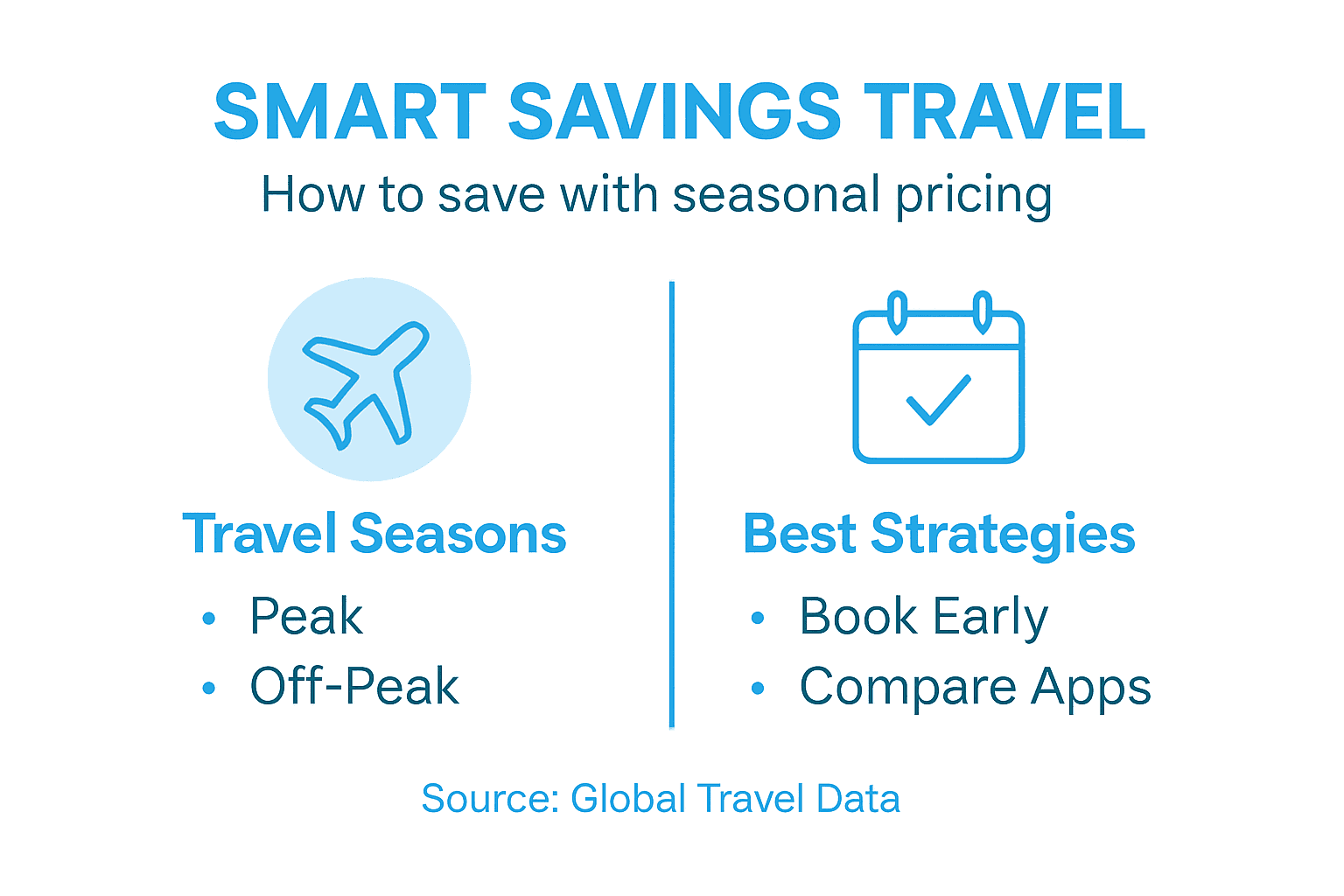
Digital tools and platforms have revolutionized how travelers discover and secure travel bargains. Price comparison websites, fare tracking applications, and specialized travel alert systems enable real-time monitoring of price fluctuations across multiple airlines and accommodations. Developing a multi-pronged strategy involves setting up fare alerts, becoming flexible with travel dates, exploring alternative destinations, and understanding the intricate timing of booking windows. Some travelers save significantly by booking either very early or during last-minute sale periods, strategically navigating the complex landscape of travel pricing.
Loyalty programs, credit card rewards, and membership discounts represent additional powerful mechanisms for securing travel deals. Sophisticated travelers combine multiple strategies – subscribing to airline and hotel newsletters, leveraging credit card points, utilizing cashback programs, and maintaining flexibility in travel plans. How to maximize travel savings requires a comprehensive understanding of these interconnected savings mechanisms, transforming deal hunting from a passive activity into an active, strategic pursuit.
Pro tip: Create a dedicated email address for travel deal subscriptions to organize promotions without cluttering your primary inbox.
Common Pitfalls Solo Travelers Should Avoid
Solo travelers face unique challenges that require heightened awareness and strategic preparation. Solo travel safety strategies emphasize the critical importance of understanding potential risks and proactively mitigating them before and during travel. Recognizing common mistakes can transform a potentially stressful journey into a confident, rewarding adventure that prioritizes personal security and travel enjoyment.
Safety emerges as the paramount concern for independent travelers, with several critical pitfalls demanding careful attention. Oversharing personal information on social media, neglecting to research accommodation safety, and failing to maintain situational awareness can expose solo travelers to unnecessary risks. Many travelers inadvertently compromise their security by broadcasting their location in real-time, not verifying accommodation reviews thoroughly, or displaying expensive equipment that might attract unwanted attention. Solo traveler booking strategies can help mitigate these risks by providing comprehensive guidance on selecting secure accommodations and maintaining personal discretion.
Practical preparation extends beyond immediate safety concerns to include comprehensive travel planning. Many solo travelers make critical errors by neglecting important administrative details such as travel insurance, emergency contact protocols, and comprehensive health preparations. Failing to check official travel advisories, skipping necessary vaccinations, or traveling without robust medical evacuation coverage can transform a dream trip into a potential nightmare. Understanding local laws, maintaining flexible communication channels, and developing contingency plans are essential strategies that can significantly reduce travel-related stress and potential complications.
Pro tip: Create a digital safety folder with copies of important documents, emergency contacts, and backup credit cards accessible from multiple secure cloud platforms.
Unlock Smart Savings with Seasonal Pricing and Expert Travel Deals
Navigating the complexities of seasonal pricing in travel can feel overwhelming when you want to secure the best rates during peak and off-peak seasons. If you are looking to save up to 80 percent on flights, hotels, and more while mastering dynamic price fluctuations, PilotTravelDeals.com is here to simplify your journey. Our platform aggregates top deals from multiple providers so you get the best prices without the hassle. Understanding concepts like shoulder seasons and event-driven price changes becomes effortless when paired with our curated travel tips and deal alerts.
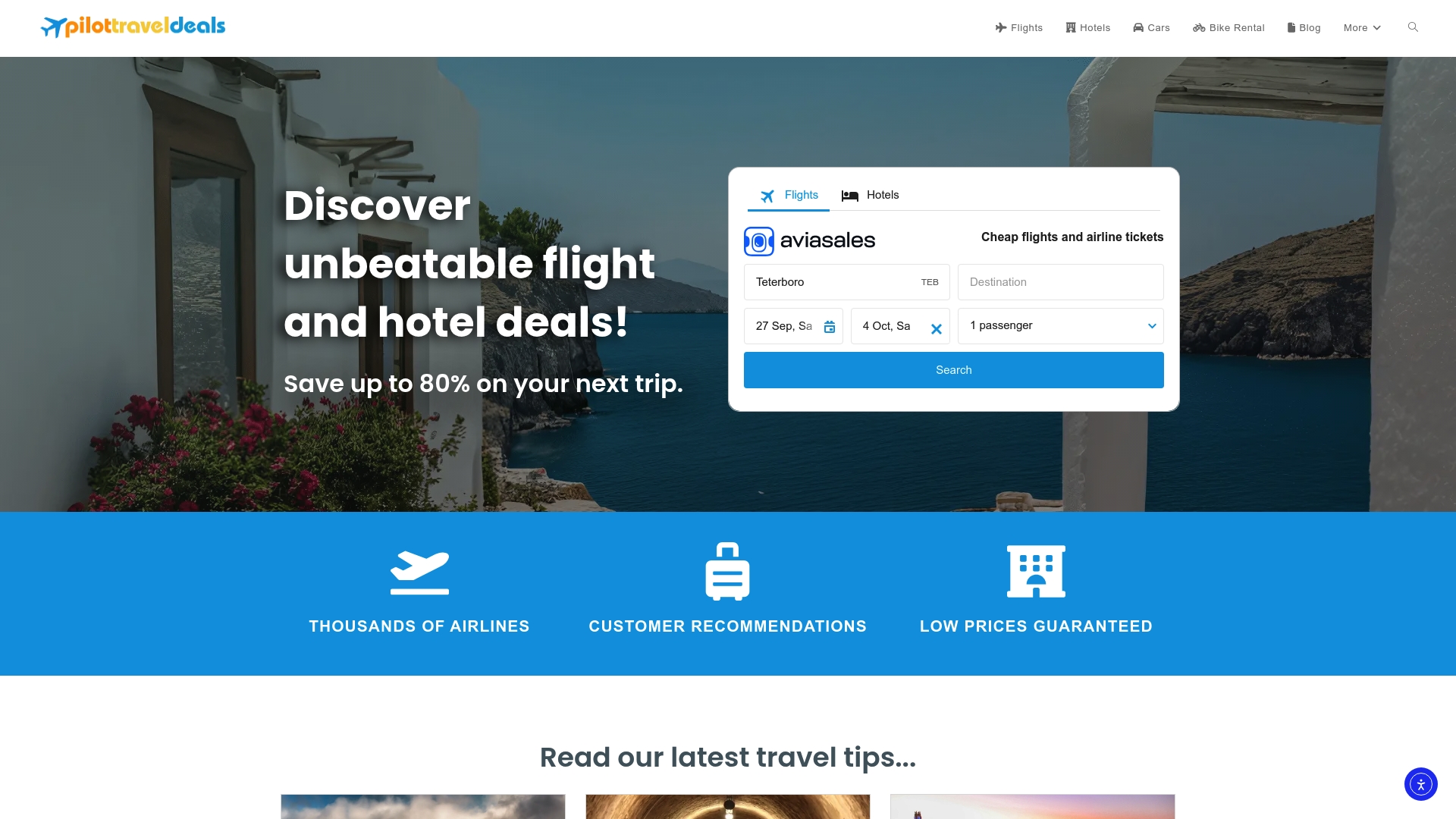
Take control of your travel budget today by exploring our Travel Tips section for smart strategies on timing your bookings. Whether you are seeking affordable options during off-peak times or planning for a trip during a bustling festival, PilotTravelDeals.com offers you powerful tools and inspiration. Visit our homepage at PilotTravelDeals.com now to start comparing deals and turn seasonal pricing challenges into your biggest savings advantage.
Frequently Asked Questions
What is seasonal pricing in travel?
Seasonal pricing in travel refers to the practice of adjusting prices based on predictable demand fluctuations throughout the year, reflecting variations in traveler preferences and market conditions.
How can travelers benefit from off-peak travel seasons?
Travelers can enjoy lower prices and a more authentic experience during off-peak seasons, as these times typically see fewer crowds and reduced prices for flights, accommodations, and local services.
What factors influence seasonal pricing fluctuations?
Key factors include climate conditions, local events, school holidays, economic trends, and traveler behavior, all of which can dramatically impact pricing and demand for specific destinations.
What are the best strategies for finding deals during peak travel seasons?
Effective strategies for spotting deals include being flexible with travel dates, using fare alerts, comparing prices on multiple platforms, joining loyalty programs, and leveraging credit card rewards.
Recommended
- Understanding the Role of Travel Discounts for All Travelers – PilotTravelDeals.com
- 7 Proven Budget Travel Tips 2025 for Smart Savings – PilotTravelDeals.com
- 10 Essential Budget Travel Tips for Smart Travelers – PilotTravelDeals.com
- Complete Guide to Saving on Travel Costs – PilotTravelDeals.com
- Complete Guide to the Role of Advance Reservations | Trinity Concierge