
Every family wants to stretch their vacation dollars without sacrificing choices or comfort. Planning ahead can make all the difference when booking trips across North America and beyond. Early booking offers real benefits, like access to lower prices and better selection, with research showing that booking 9-11 months in advance is often the best way to secure substantial travel savings. Discover how these strategies help families avoid last-minute stress and maximize every travel opportunity.
Table of Contents
- Booking Early for Travel Deals Explained
- Types of Early Booking Discounts and Perks
- How Advance Reservations Affect Price and Options
- Best Timing Strategies for Different Travel Services
- Financial Risks and Non-Refundable Policy Issues
- Common Booking Mistakes and How to Avoid Them
Key Takeaways
| Point | Details |
|---|---|
| Book Early | Secure travel bookings 9-11 months in advance to maximize savings and reduce stress. |
| Understand Discounts | Take advantage of early booking discounts and perks, which can save 10-30% on travel costs. |
| Know Optimal Timing | Each travel service has a unique optimal booking window that can significantly impact price and options. |
| Avoid Common Mistakes | Review booking terms carefully to mitigate financial risks and prevent costly errors during planning. |
Booking Early for Travel Deals Explained
Understanding the strategic approach to early travel bookings can transform how families plan their vacations. When it comes to securing the best deals, timing truly is everything. Early booking isn’t just about getting tickets in advance—it’s a comprehensive strategy for maximizing savings and reducing travel stress.
Research indicates that booking 9-11 months ahead typically offers the most significant financial advantages. Airlines and hotels often provide substantial discounts for travelers who plan well in advance, recognizing that early commitment allows them to predict and manage their inventory more effectively. This early bird approach means families can lock in lower prices before demand drives costs upward.
The benefits extend far beyond mere cost savings. Early booking provides families with critical advantages like wider selection of flight times, preferred seating options, and greater accommodation choices. Travelers who book early can often select prime rooms, choose optimal flight schedules, and even negotiate better rates. Moreover, having travel arrangements confirmed months in advance reduces the psychological stress associated with last-minute planning, allowing families to focus on anticipating their upcoming adventure.
Pro tip: Create a dedicated travel savings account and set automatic monthly transfers to gradually fund your early booked vacation, spreading out the financial commitment painlessly.
Types of Early Booking Discounts and Perks
Navigating the world of early booking discounts can be a game changer for budget-conscious travelers. Early Bird Specials represent a strategic approach to securing significant travel savings across multiple sectors, from airlines to hotels and vacation packages. These promotional offers are designed to reward travelers who plan ahead and commit to their travel arrangements well in advance.
The most common types of early booking discounts include percentage-based price reductions, where travelers can save 10-30% off standard rates by booking several months before their trip. Hotel Early Booker Rate Plans typically require reservations at least 15-30 days prior to check-in, offering flexible cancellation policies and guaranteed lower prices. Airlines often provide similar incentives, with discounted fares for passengers who book international flights 3-6 months ahead and domestic flights 1-3 months in advance.
Beyond monetary savings, early booking perks can include additional benefits that enhance travel experiences. These might range from complimentary room upgrades and free breakfast options to priority boarding, flexible ticket changes, and bonus loyalty program points. Some travel providers even offer exclusive amenities like airport lounge access or discounted travel insurance for early bookers, creating comprehensive value packages that go beyond simple price reductions.
Pro tip: Sign up for airline and hotel loyalty programs to unlock additional early booking discounts and receive personalized notifications about upcoming promotional offers.
How Advance Reservations Affect Price and Options
Understanding the intricate relationship between advance reservations and travel pricing reveals a complex economic strategy that benefits both consumers and service providers. Advance booking systems enable travelers to secure better prices and guaranteed availability while allowing businesses to optimize their revenue through strategic pricing mechanisms.
The pricing dynamics of advance reservations are particularly nuanced across different travel sectors. In the hotel industry, prices fluctuate based on factors like booking lead time, destination popularity, and seasonal demand. Dynamic pricing models mean that early bookings often enjoy significant discounts, with rates potentially dropping 10-25% for reservations made several months in advance. This approach incentivizes travelers to plan early while helping hotels manage capacity and predict revenue streams.

Beyond monetary considerations, advance reservations dramatically expand traveler options. Early bookers typically have access to a wider range of accommodations, flight times, and seat selections. Business travelers and families benefit most from this strategy, as they can secure preferred rooms, optimal flight schedules, and sometimes additional perks like complimentary upgrades or flexible cancellation policies. The earlier you book, the more control you have over your travel experience, transforming advance reservations from a cost-saving technique into a comprehensive travel planning approach.
Pro tip: Use price tracking apps and set up alerts to monitor fare fluctuations and identify the optimal booking window for your specific destination and travel dates.
Best Timing Strategies for Different Travel Services
Navigation of travel booking timelines requires a nuanced approach tailored to different services. Effective timing strategies can dramatically impact travel costs and overall trip quality, with optimal booking windows varying significantly across transportation, accommodation, and activity sectors.
For domestic flights, travelers should target booking 1-3 months before departure, while international journeys benefit from a more extended window of 3-6 months ahead. Hotel reservations present a different strategic landscape, with most destinations offering optimal pricing 1-2 months prior to travel. Seasonal and boutique properties often require earlier bookings, especially during peak travel periods like summer vacations or holiday weekends. Business travelers and families can leverage these insights to secure better rates and preferred accommodations by planning strategically and understanding each service’s unique booking dynamics.

Activity and tour bookings typically offer the most flexible timing, with the best prices emerging weeks before departure. Adventure tours, specialized experiences, and high-demand attractions may require earlier reservations to guarantee availability. Some services like guided tours, popular theme parks, and special events might need bookings months in advance to secure spots, particularly during peak seasons. Sophisticated travelers combine these strategies, creating a comprehensive approach that balances cost savings with securing preferred travel experiences.
Here’s a quick reference guide on optimal booking windows and their benefits for different travel services:
| Service | Best Booking Window | Primary Benefit | Typical Additional Perks |
|---|---|---|---|
| Domestic Flights | 1-3 months in advance | Lower fares, better timing | Seat choice, loyalty bonuses |
| International Flights | 3-6 months in advance | Significant fare savings | Flexible tickets, extra points |
| Hotels | 1-2 months (more for peak) | Room selection, price drops | Upgrades, free breakfast |
| Activities/Tours | Weeks to months ahead | Secure spots, early discounts | Special access, flexible changes |
Pro tip: Create a dedicated travel spreadsheet tracking ideal booking windows for different services, helping you systematically plan and optimize your travel budget.
Financial Risks and Non-Refundable Policy Issues
Early travel bookings come with potential financial complexities that require careful navigation and strategic planning. Non-refundable booking policies can create significant financial exposure for travelers, with potential losses ranging from partial deposits to complete trip expenses if unexpected changes occur.
The landscape of travel cancellation and modification policies is increasingly complex, with variations that can catch even experienced travelers off guard. Booking terms frequently include steep penalties for changes or cancellations, sometimes reaching up to 100% of the total trip cost for last-minute alterations. Different travel services enforce distinct rules: airlines might offer flight credits, hotels could retain entire prepayments, and tour operators may have completely non-negotiable reservation terms. These nuanced policies underscore the importance of understanding exact contract details before committing financial resources.
Risk mitigation strategies are crucial for protecting travel investments. Travelers should consider comprehensive travel insurance that covers trip cancellations, carefully review all booking conditions, and prioritize flexible booking options when possible. Some credit cards offer built-in travel protection, and many travel providers now offer reasonably priced insurance add-ons that can provide peace of mind. Understanding the specific conditions, documenting all communication, and maintaining detailed records of booking agreements can help travelers navigate potential financial challenges.
To help you assess financial risks, consider the differences in cancellation policies among travel providers:
| Provider Type | Common Cancellation Terms | Potential Traveler Risk | Typical Protection Strategies |
|---|---|---|---|
| Airlines | Flight credits, less cash refunds | Loss of fare, rebooking fee | Buy insurance, flexible fares |
| Hotels | Full or partial prepayment retained | Full cost if canceled late | Choose refundable rates, insurance |
| Tour Operators | Strict, often non-negotiable | Loss of full deposit | Coverage plans, clear contracts |
Pro tip: Always screenshot and save complete booking confirmations, and create a dedicated folder tracking all travel reservation details and associated cancellation policies.
Common Booking Mistakes and How to Avoid Them
Travelers often encounter numerous pitfalls when booking trips, which can significantly impact their travel experience and financial investment. Common booking mistakes range from overlooking critical details to making hasty financial commitments without fully understanding the implications.
One of the most frequent errors is failing to thoroughly review booking terms and conditions. Cancellation policies can be particularly complex, with many travelers accidentally committing to non-refundable rates without understanding the potential financial risks. Additional mistakes include ignoring time zone differences when booking international travel, not verifying exact dates and times, and neglecting to check for hidden fees that can substantially increase overall trip costs. Careful travelers should create a systematic approach to booking, which includes double-checking all reservation details, confirming exact travel dates, and understanding the full financial commitment before finalizing any booking.
Mitigating booking risks requires a proactive and detailed approach. Travelers should maintain digital and physical copies of all booking confirmations, use reputable booking platforms with clear communication channels, and consider travel insurance for added protection. Creating a personal booking checklist can help prevent common mistakes, including verifying passport validity, checking visa requirements, confirming accommodation details, and understanding the specific cancellation and modification policies for each component of the trip. Technology can be a valuable ally in this process, with many travel apps and tools designed to help travelers track and manage their bookings more effectively.
Pro tip: Create a standardized digital booking template with checkboxes for critical verification steps, ensuring you never miss an important detail when planning your travel.
Secure Your Travel Savings Today by Booking Early with PilotTravelDeals
The article highlights the challenge of navigating complex pricing strategies and timing to maximize travel savings while avoiding financial risks. You want to lock in the best deals well in advance but may worry about non-refundable policies or missing out on preferred flights and accommodations. Early booking offers significant discounts and valuable perks, but it requires reliable tools and information to act confidently.
At PilotTravelDeals.com, we understand this need for clear, budget-friendly travel planning. Our platform aggregates the best flight, hotel, bike rental, and SIM card deals so you can compare prices easily and secure your ideal trip months before departure without the stress. Explore expert advice and practical tips on when and how to book on our Travel Tips page and discover unique opportunities for adventurous early bookings in our Adventure section.
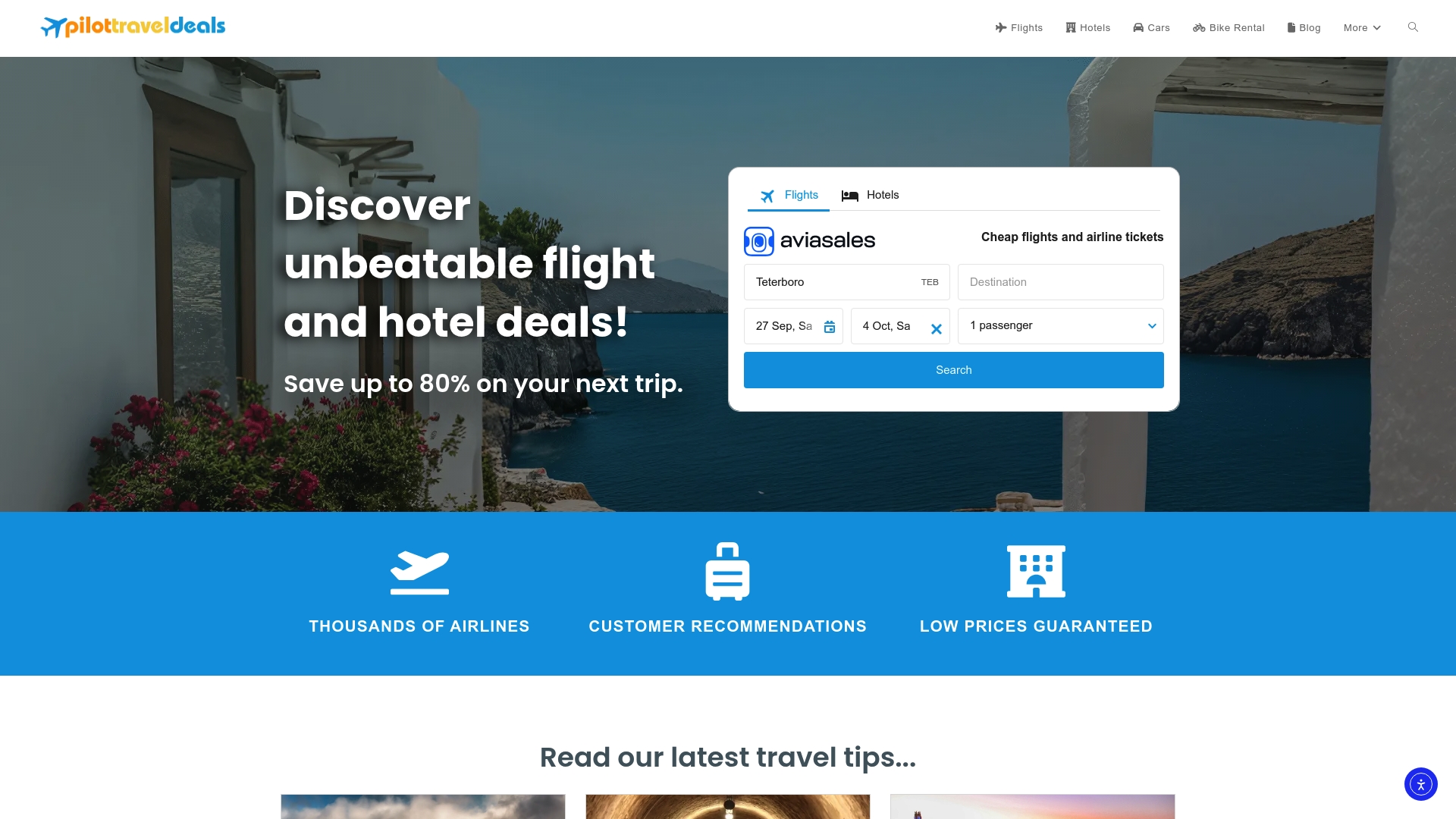
Don’t let uncertainty hold you back from taking advantage of early booking savings. Visit PilotTravelDeals.com now to start planning your trip confidently. Use our easy comparison tools to book smarter and save more before prices climb or availability slips away.
Frequently Asked Questions
Why is booking early important for travel?
Booking early allows travelers to secure lower prices, access a wider selection of flights and accommodations, and reduce travel-related stress by having arrangements confirmed in advance.
What types of discounts can I expect when I book my travel early?
Early booking discounts typically include percentage-based price reductions, flexible cancellation policies, complimentary upgrades, and additional perks like loyalty points and priority boarding.
How far in advance should I book flights and accommodations for the best deals?
For domestic flights, it’s best to book 1-3 months in advance, while international flights should ideally be booked 3-6 months early. Hotel reservations typically benefit from booking 1-2 months in advance, particularly during peak seasons.
What are the financial risks of booking travel early?
Booking early can come with non-refundable policies that may expose travelers to potential losses if plans change. It’s crucial to carefully review cancellation terms and consider travel insurance to mitigate these risks.
Recommended
- Benefits of Booking Early Flights: Save More in 2026 – PilotTravelDeals.com
- Travel Deal Terminology Explained: Maximizing Savings – PilotTravelDeals.com
- Advantages of Early Flight Booking for Families – PilotTravelDeals.com
- Last-Minute Booking: How It Changes Travel Planning – PilotTravelDeals.com
- Hvorfor ferie i lavsæson: Fordele for børnefamilier – Rejs i Danmark
