

Many budget travelers skip travel insurance thinking it adds unnecessary cost to an already tight vacation budget. However, a single unexpected event like a medical emergency or trip cancellation can cost hundreds or thousands of dollars, far exceeding the price of coverage. Travel insurance acts as a financial safety net that protects your hard-earned vacation investment from unforeseen circumstances. Understanding what travel insurance covers and how to choose affordable options helps you travel smarter while staying within budget. This guide explains the real value of travel insurance for budget-conscious travelers and shows you how to select coverage that fits your needs without breaking the bank.
Table of Contents
- What Is Travel Insurance And Why Is It Essential For Budget Travelers?
- Common Scenarios Where Travel Insurance Saves Money And Stress
- How To Choose Affordable Travel Insurance That Fits Your Budget Trip
- How To Make Travel Insurance Work For Your Budget Vacation Plan
- How PilotTravelDeals.com Helps Budget Travelers Save Smartly
Key takeaways
| Point | Details |
|---|---|
| Financial protection | Travel insurance shields your budget from unexpected costs like cancellations, medical emergencies, and lost belongings. |
| Affordable options exist | Budget-friendly plans provide essential coverage without expensive extras you don’t need. |
| Coverage varies by plan | Different policies offer different benefits, so comparing options helps you find the right fit. |
| Smart planning pays off | Buying insurance early and understanding policy terms maximizes your protection and savings. |
| Peace of mind matters | Knowing you’re covered lets you enjoy your trip without worrying about financial disasters. |
What is travel insurance and why is it essential for budget travelers?
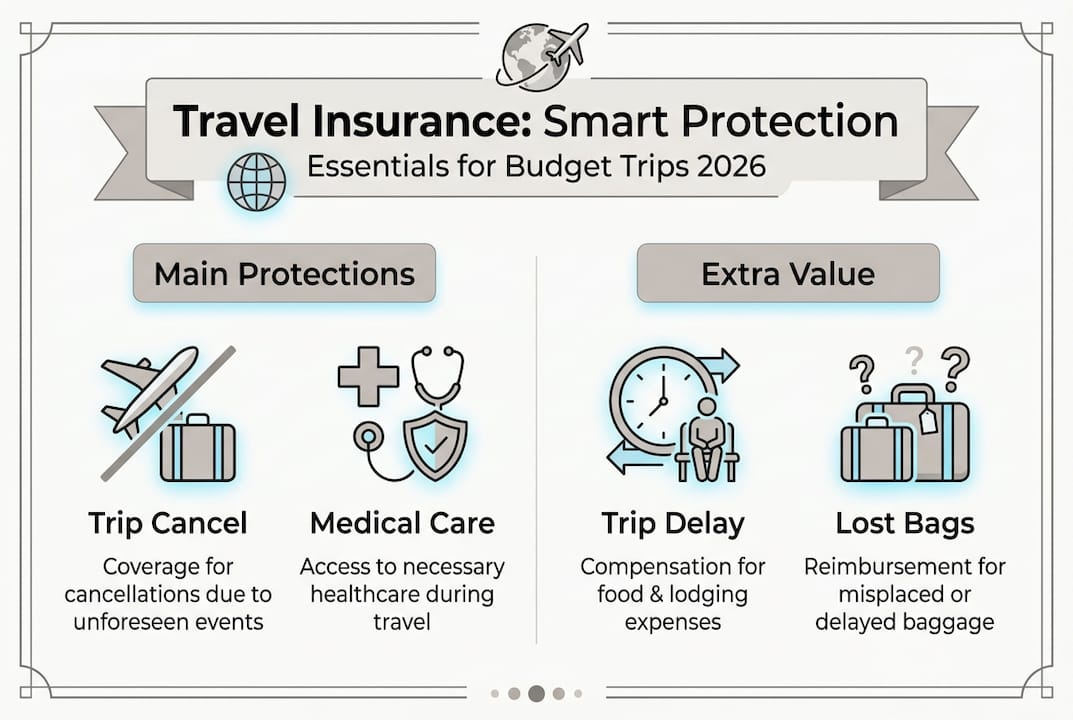
Travel insurance is a policy that protects you from financial losses related to your trip. It typically covers several scenarios that could otherwise derail your vacation plans and drain your wallet. The most common types include trip cancellation coverage, which reimburses non-refundable expenses if you must cancel for covered reasons. Medical coverage handles emergency healthcare costs abroad where your regular health insurance may not apply. Baggage protection compensates you for lost, stolen, or delayed luggage.
Budget travelers face unique risks because they often book non-refundable deals to save money. If something goes wrong, you lose that entire investment. A $500 flight booked months in advance becomes a total loss if you get sick the day before departure. Travel insurance can cover trip cancellations, medical emergencies, and lost belongings, helping protect travelers’ budgets from these exact scenarios. Without coverage, you absorb 100% of the loss.
Key benefits that matter most to budget travelers include:
- Protection for non-refundable bookings like flights and hotels
- Emergency medical coverage in countries where healthcare is expensive
- Reimbursement for essential items if luggage is delayed or lost
- Trip interruption coverage if you must return home early
- 24/7 assistance services for travel emergencies
Pro Tip: Match your coverage to your destination and trip length. A weekend domestic trip needs less protection than a two-week international adventure. Tailoring your policy keeps costs down while maintaining adequate protection.
The financial safety net travel insurance provides is especially valuable when you’re traveling on a tight budget. One emergency room visit in the United States can cost thousands of dollars. Missing a connecting flight due to delays might require rebooking at last-minute prices. These scenarios can quickly consume your entire travel budget and more. Smart budget travelers recognize that spending a small percentage of their trip cost on insurance protects the entire investment. Following a travel safety checklist for budget travelers helps you prepare comprehensively.
Common scenarios where travel insurance saves money and stress
Real-world examples show how travel insurance transforms potential disasters into manageable situations. Understanding these scenarios helps you appreciate the practical value of coverage.
Trip cancellation represents one of the most common claims. Imagine booking a $1,200 vacation package six months in advance to get the best price. Two weeks before departure, you contract a severe illness requiring hospitalization. Without insurance, you lose the entire $1,200 because most budget bookings are non-refundable. With trip cancellation coverage, you file a claim with medical documentation and recover most or all of your costs. The policy pays for itself many times over in this single incident.
Medical emergencies abroad create enormous financial exposure. Your domestic health insurance typically provides limited or no coverage outside your home country. A broken leg requiring surgery and hospitalization in Europe can easily cost $15,000 to $25,000 out of pocket. Travel medical insurance covers these expenses, including emergency evacuation if necessary. Travel insurance has helped travelers recover costs from hotel cancellations and medical emergencies during trips, preventing financial ruin from unexpected health issues.

Lost or delayed baggage disrupts your trip and forces immediate purchases. Your airline loses your checked bag containing clothes, toiletries, and medications for a week-long trip. You must buy replacements immediately, spending $300 to $500 on essentials. Baggage coverage reimburses these emergency purchases, typically up to a specified daily limit until your bag is located or permanently lost. Understanding travel compensation cases helps you know your rights and options.
Filing a claim efficiently maximizes your recovery:
- Document everything immediately with photos, receipts, and written reports
- Contact your insurance provider within the required timeframe, usually 24 to 72 hours
- Complete all claim forms accurately with supporting documentation
- Keep copies of every communication and document submitted
- Follow up regularly on claim status until resolution
Studies show that travelers who purchase insurance are three times more likely to recover significant costs from trip disruptions compared to those who rely solely on airline or hotel policies.
Trip interruption coverage protects you if circumstances force you to cut your vacation short. A family emergency requiring immediate return home means abandoning prepaid hotel nights and activities. This coverage reimburses unused, non-refundable trip costs plus additional transportation expenses to get home. The combination of reimbursement and replacement costs can save you thousands of dollars in a genuine emergency.
Weather-related disruptions also trigger coverage in many policies. A hurricane forces evacuation from your beach resort three days into a week-long stay. Trip interruption coverage pays for unused accommodation and may cover additional lodging costs during evacuation. Natural disasters, political unrest, and other unforeseen events fall under this protection, giving budget travelers recourse when circumstances beyond their control ruin plans.
How to choose affordable travel insurance that fits your budget trip
Selecting the right travel insurance requires balancing coverage needs against cost. Not all policies are created equal, and understanding your options helps you avoid overpaying for features you don’t need.
| Plan Type | Typical Coverage | Price Range | Best For |
|---|---|---|---|
| Basic trip protection | Cancellation, interruption, baggage | $25 to $50 | Short domestic trips |
| Standard comprehensive | Medical, cancellation, baggage, delays | $50 to $150 | International vacations |
| Premium all-inclusive | Full medical, evacuation, adventure sports | $150 to $300+ | Extended or high-risk trips |
| Medical-only plans | Emergency healthcare, evacuation | $30 to $80 | Destinations with expensive healthcare |
Several factors influence your insurance cost and help you find affordable options:
- Trip length affects premium, with longer trips costing more to insure
- Destination matters because some countries have higher medical costs or risks
- Your age impacts pricing, as older travelers typically pay higher premiums
- Total trip cost determines coverage limits and corresponding premium amounts
- Coverage types selected, with comprehensive plans costing more than basic protection
- Deductible amounts, where higher deductibles reduce premium costs
Pro Tip: Look for plans offering flexible cancellation terms that match your booking style. If you book refundable hotels but non-refundable flights, focus coverage on flight protection to save money on unnecessary hotel cancellation coverage.
Careful comparison of policy features helps travelers find affordable travel insurance tailored to their trip needs. Read policy documents carefully to understand exactly what is and isn’t covered. Some budget-friendly plans focus exclusively on essential coverage like emergency medical and trip cancellation, eliminating extras like adventure sports coverage or rental car protection that many travelers never use.
Consider your actual risk exposure when choosing coverage limits. A $2,000 trip doesn’t require $10,000 in trip cancellation coverage. Match your limits to your actual costs to avoid overpaying. Similarly, if you’re traveling to a country with affordable healthcare, you might choose lower medical coverage limits than you would for destinations with expensive medical systems.
Annual or multi-trip policies offer better value for frequent travelers. If you take three or more trips per year, an annual policy typically costs less than buying separate coverage for each trip. These policies cover all trips within a 12-month period up to specified durations, usually 30 to 60 days per trip. Budget travelers who book several short getaways throughout the year benefit significantly from this approach.
Using flexible booking strategies alongside appropriate insurance creates a comprehensive protection system. Book refundable options when prices are comparable, reserve travel insurance for non-refundable deals, and you maximize both savings and security.
How to make travel insurance work for your budget vacation plan
Integrating travel insurance effectively into your trip planning maximizes protection while minimizing hassle and cost. Strategic use of insurance alongside smart booking practices creates comprehensive coverage.
Follow these steps to optimize your insurance purchase and use:
- Buy insurance within 14 to 21 days of your initial trip deposit to qualify for time-sensitive benefits like pre-existing condition waivers
- Read the entire policy document before purchasing, paying special attention to exclusions and claim procedures
- Save all trip receipts, confirmations, and documentation in one organized location, digital or physical
- Register your policy details and emergency contact numbers in your phone before departure
- Photograph your policy card and store it separately from the original during travel
- File claims promptly with complete documentation if incidents occur, following insurer guidelines exactly
- Keep copies of all claim submissions and maintain communication records until resolution
Combining travel insurance with other budget travel strategies amplifies your savings and protection. Using hotel booking best deals techniques helps you find affordable accommodation, while insurance protects those bookings from unforeseen cancellations. Similarly, applying hotel booking tips for travelers ensures you get the best value, and insurance safeguards that value if problems arise.
Common pitfalls to avoid when using travel insurance:
- Ignoring coverage limits and assuming everything is fully covered regardless of cost
- Failing to document incidents immediately with photos, receipts, and official reports
- Skipping pre-trip health checkups that could identify issues before departure
- Not reading exclusions carefully, then being surprised when certain claims are denied
- Waiting too long to file claims, missing required notification deadlines
- Assuming your credit card travel insurance provides comprehensive coverage without verifying actual benefits
Maintain organized records throughout your trip. Keep receipts for all expenses, especially those that might become claims like medical visits, replacement clothing for lost baggage, or additional accommodation due to delays. Take photos of damaged luggage, travel disruptions like canceled flight boards, and any incidents requiring claims. This documentation proves invaluable when filing claims and significantly speeds up the reimbursement process.
Leveraging travel credit guide for budget travelers alongside insurance creates multiple layers of financial protection. Travel credits from airlines or hotels provide flexibility for rebooking, while insurance covers scenarios where credits don’t apply. Understanding both systems helps you navigate disruptions more effectively and recover maximum value from problematic situations.
Timing matters when purchasing insurance. Buying coverage immediately after booking your trip, rather than waiting until closer to departure, provides several advantages. You’re covered if unexpected events occur during the waiting period. You qualify for certain benefits only available to early purchasers. You avoid the risk of forgetting to buy insurance altogether. Make insurance purchase part of your initial booking routine for every trip.
How PilotTravelDeals.com helps budget travelers save smartly
Protecting your budget vacation with travel insurance is just one piece of smart trip planning. PilotTravelDeals.com provides comprehensive resources to help you find incredible deals while traveling safely and affordably. Our platform specializes in connecting budget-conscious travelers with the best prices on flights, hotels, and essential travel services.
Explore our cheap flights search guide to discover techniques for finding the lowest airfares to any destination. Combine these savings with appropriate travel insurance for complete peace of mind. Our curated selection of budget hotels helps you find comfortable, affordable accommodation that fits your travel style. Don’t forget connectivity on your trip. Check out our affordable sim cards to stay connected without expensive roaming charges. PilotTravelDeals.com brings together all the tools and information you need to plan safer, smarter, more affordable vacations in 2026 and beyond.
FAQ
Is travel insurance worth it for short domestic trips?
Short domestic trips may not require comprehensive insurance, but consider coverage based on your total trip cost and personal risk tolerance. If you’ve booked non-refundable flights or hotels totaling several hundred dollars, basic trip cancellation coverage provides valuable protection for a small premium. Evaluate whether the potential loss from cancellation exceeds the insurance cost. For very short, inexpensive trips with refundable bookings, you might reasonably skip insurance.
What does travel insurance usually not cover?
Most policies exclude pre-existing medical conditions unless you purchase coverage within a specified window and meet waiver requirements. Intentional self-harm, illegal activities, and injuries from high-risk adventure sports often aren’t covered without additional riders. Many policies exclude certain countries due to travel advisories, and some have pandemic-related exclusions. Always read the exclusions section carefully before purchasing to understand exactly what situations aren’t protected.
How can I file a travel insurance claim effectively?
Document every incident immediately with photographs, receipts, police reports, or medical records as applicable. Contact your insurance provider within their required timeframe, typically 24 to 72 hours for medical emergencies or as soon as reasonably possible for other claims. Complete all claim forms accurately and submit every requested document. Keep copies of everything you submit and maintain records of all communications with the insurer until your claim is fully resolved.
Can I get travel insurance if I have a pre-existing condition?
Many insurers offer coverage for pre-existing conditions if you purchase insurance within 14 to 21 days of your initial trip deposit and meet other requirements like being medically able to travel when buying the policy. Some policies charge higher premiums for pre-existing condition coverage. Carefully review policy terms and disclose all conditions honestly during purchase. Consider consulting with insurance specialists who can help you find appropriate coverage for your specific health situation.


