

TL;DR:
- Budget accommodation offers essential comfort such as clean rooms, basic furniture, and reliable Wi-Fi at low prices. It includes hostels, motels, guesthouses, and bunkhouses, focusing on necessities rather than luxury amenities. Accurate knowledge of local prices and careful booking help travelers find safe, clean sleeping options that suit their needs and budget.
Budget accommodation is lodging designed to deliver essential comfort and safety at affordable prices, without the extras that drive up costs at mid-range or luxury properties. The hospitality industry defines this category by what it includes rather than what it lacks: a clean, safe sleeping space, basic furniture, a functional bathroom, and reliable Wi-Fi. Travelers searching for affordable lodging options often assume “budget” means low quality. That assumption is wrong, and this guide explains exactly why. Whether you’re planning a family vacation, a solo trip, or a weekend getaway, understanding what budget accommodation really means helps you spend less and sleep well.
What is budget accommodation and what does it actually include?
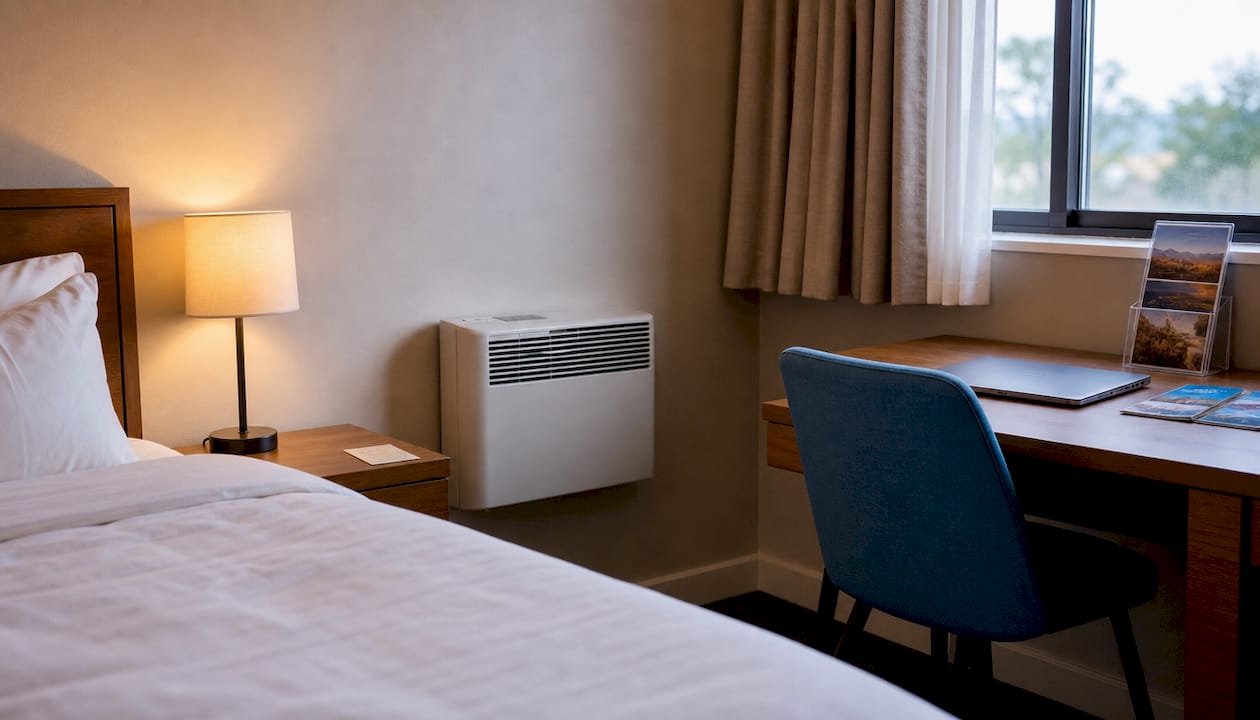
Budget accommodation is defined by providing core essentials: a clean, safe sleeping space, basic furniture, and a functional bathroom, while cutting luxury services to keep costs low. The industry term for this category is “economy lodging,” and it covers everything from hostels and motels to guesthouses and economy hotels. The goal is simple. You pay for what you need, not for a concierge or a rooftop pool.
What travelers can expect in a standard budget property includes:
- Clean private or shared rooms with a bed, storage, and adequate lighting
- Basic furniture such as a desk, chair, and wardrobe
- Functional bathroom with hot water and standard toiletries
- Wi-Fi access, now considered a baseline utility rather than a premium feature
- Safety measures including secure locks, fire exits, and sometimes 24-hour reception
What budget properties typically do not offer:
- Concierge or bellhop services
- On-site restaurants or room service
- Leisure facilities like pools, gyms, or spas
- Daily housekeeping included in the base rate
Budget hotels typically offer private rooms with air conditioning, hot water, and Wi-Fi, focusing on essentials rather than luxury. That focus is a deliberate business model, not a shortcut. Providers cut costs by reducing staff, shrinking room sizes, and unbundling amenities. The result is a lower price for travelers who do not need the extras.
Pro Tip: Check whether Wi-Fi, parking, and breakfast are included in the listed rate before booking. Budget properties often list a base price that rises once you add standard services.
What types of budget accommodations are available?
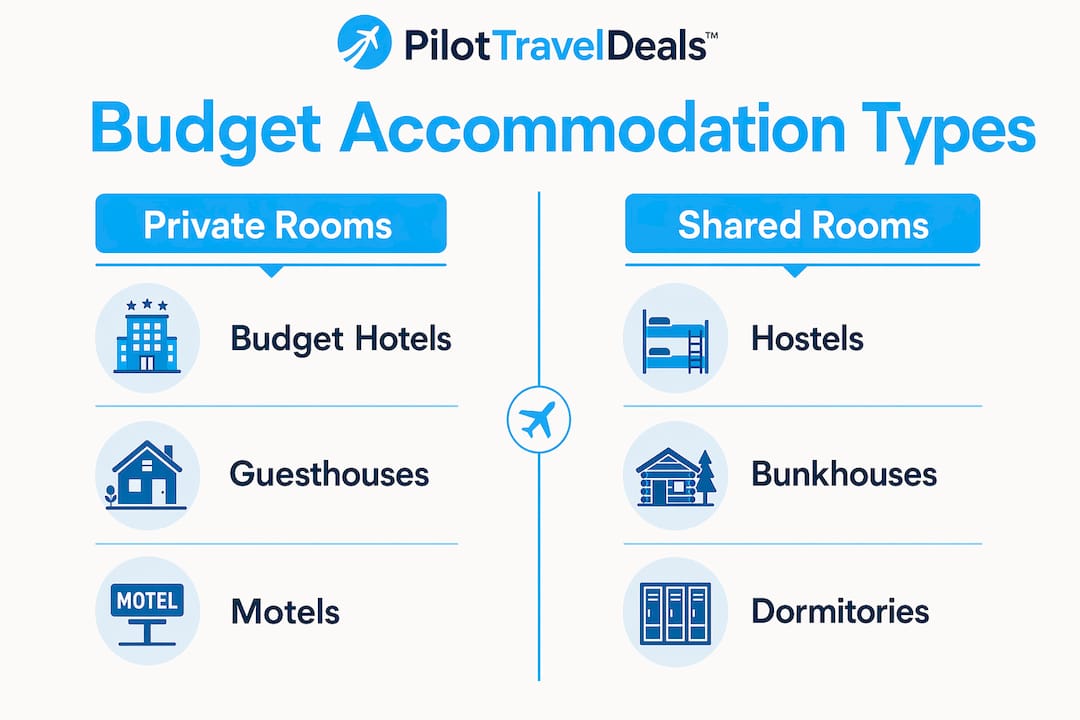
Budget accommodation encompasses a wide range of property types, from hostels and motels to guesthouses and economy hotels, each catering to different traveler needs. Knowing the differences helps you pick the right fit for your trip.
Budget hotel
A budget hotel offers private rooms with standard amenities at a lower price than full-service hotels. Rooms are smaller and services are minimal, but cleanliness and safety meet standard hospitality requirements. These work well for solo travelers, couples, and business travelers on tight budgets.
Hostel
A hostel provides both dormitory-style shared rooms and private rooms. Shared dorm beds are the cheapest option available in most cities. Hostel dorm beds can cost as low as $25 to $35 per night in 2026, depending on the region. That price point makes hostels the go-to choice for backpackers and solo travelers. Most hostels include communal kitchens, lounges, and social spaces that encourage interaction between guests.
Motel
A motel is a roadside property designed for travelers arriving by car. Rooms open directly to a parking lot, which makes check-in fast and access easy. Motels are common across the United States and are a practical choice for road trips or overnight stops between destinations.
Guesthouse
A guesthouse is a privately owned home or small property that rents rooms to travelers. The atmosphere is more personal than a hotel, and hosts often provide local knowledge and sometimes breakfast. Guesthouses are popular in Europe, Southeast Asia, and Latin America.
Bunkhouse
A bunkhouse offers basic shared sleeping quarters, often in outdoor recreation or rural settings. Prices are among the lowest available, and facilities are minimal. They suit adventure travelers, divers, and hikers who spend most of their time outdoors.
| Type | Room style | Best for | Typical price range |
|---|---|---|---|
| Budget hotel | Private | Solo travelers, couples | Low to mid |
| Hostel | Shared or private | Backpackers, solo travelers | Very low |
| Motel | Private, ground floor | Road trippers, drivers | Low |
| Guesthouse | Private | Culture travelers, families | Low to mid |
| Bunkhouse | Shared dormitory | Outdoor adventurers | Very low |
Budget accommodations often locate outside prime tourist areas to reduce costs, commonly in suburbs or residential zones with public transport access. That location trade-off is worth understanding before you book. A 20-minute metro ride from a hostel near a transit hub often costs far less than a central hotel, and the savings add up fast over a week-long trip.
How does local pricing affect what “budget” really means?
“Budget” pricing depends on the local market, so travelers must research cost benchmarks to set realistic expectations. A $60 per night room in New York City is a genuine budget find. That same price in Chiang Mai, Thailand, puts you in a mid-range property with a pool. The word “budget” is always relative to where you are traveling.
Seasonality also shifts what counts as budget pricing. Peak travel periods, local festivals, and school holidays push base rates up across all property categories. A hostel dorm bed that costs $28 in march may cost $55 in july during a city’s peak season. Travelers who book during shoulder seasons, typically the months just before or after peak demand, consistently find better rates across all budget property types.
Many travelers confuse budget accommodations with poor hygiene or unsafe conditions. That confusion is the most damaging misconception in this category. Budget properties focus on efficiency by unbundling non-essential amenities, not by cutting corners on cleanliness or safety. Reading recent guest reviews on reputable platforms gives you a far more accurate picture than the star rating alone.
Pro Tip: Search for the average nightly hotel rate in your destination city before you start comparing properties. That benchmark tells you what “budget” actually means in that specific market, so you can spot a real deal versus a misleading listing.
What practical tips help you find and book the best budget stays?
Finding low-cost accommodation that delivers real value takes more than picking the cheapest listing. These steps consistently produce better results.
-
Book directly through the provider’s website. Booking directly through the hotel or accommodation provider’s own website often yields the best prices and discounts, since aggregators may add fees or lack special offers. Many budget hotels offer a “best rate guarantee” on their own site that third-party platforms cannot match.
-
Read the full rate breakdown before confirming. Budget accommodations often operate on a pay-as-you-go model, where low room rates can increase with add-ons like housekeeping or parking. Always check what the final price includes before you enter your payment details.
-
Use shared kitchens when available. Shared kitchens in hostels and bunkhouses allow travelers to significantly reduce food costs, often the largest expense on a trip. Buying groceries and cooking one or two meals per day in a hostel kitchen can save you more than the cost of the bed itself over a week.
-
Travel during shoulder season. Rates drop across all budget property types in the weeks just before and after peak demand. Flexibility on travel dates is one of the most reliable ways to reduce accommodation costs without sacrificing quality.
-
Compare properties using verified reviews. Star ratings reflect facilities, not cleanliness or safety. A 2-star property with 200 recent positive reviews about clean rooms and helpful staff is a safer choice than a 3-star property with mixed feedback. Prioritize review recency and volume over rating numbers.
-
Plan ahead for families and groups. Families traveling together often find that booking a private room in a hostel or a guesthouse costs less per person than separate budget hotel rooms. Check group booking discounts before assuming individual rooms are the only option.
For a deeper look at getting the most from every stay, the hotel stay tips guide at Pilottraveldeals covers comfort and value strategies that apply across all budget property types.
Pro Tip: Sign up for the property’s direct mailing list after your first stay. Budget hotels and hostels frequently send returning guest discounts that are not listed publicly.
Key Takeaways
Budget accommodation delivers essential comfort and safety at low cost by cutting non-essential services, not by compromising cleanliness or security.
| Point | Details |
|---|---|
| Core definition | Budget lodging provides clean, safe sleeping spaces and basic amenities without luxury extras. |
| Types available | Hostels, motels, guesthouses, bunkhouses, and economy hotels each suit different traveler needs. |
| Budget is relative | What counts as budget pricing varies by destination, season, and local market benchmarks. |
| Direct booking saves money | Booking through a provider’s own website typically beats third-party aggregator rates. |
| Shared kitchens cut costs | Using communal kitchen facilities in hostels and bunkhouses reduces food spending significantly. |
Why budget accommodation deserves more credit than it gets
I’ve stayed in budget properties across four continents, and the single biggest mistake I see travelers make is arriving with the wrong mental model. They expect a discount version of a luxury hotel. That expectation sets them up for disappointment every time.
Budget accommodation is its own category with its own logic. The value is in the essentials: a clean bed, a hot shower, secure storage, and a reliable Wi-Fi connection. When those four things work well, the stay works. When travelers fixate on the absence of a minibar or a turndown service, they miss the point entirely.
The travelers who get the most out of budget stays are the ones who treat the property as a base, not a destination. They spend their days out in the city, return to a clean and safe room, and wake up with more money left for experiences. That mindset shift changes everything.
Families often overlook budget options because they assume shared spaces are not suitable for children. In practice, many guesthouses and budget hotels offer family rooms at rates that undercut mid-range properties significantly. The key is to read reviews from other families rather than relying on category labels alone.
One more thing worth saying directly: location matters more than amenities at the budget level. A clean, safe property with easy transit access beats a slightly nicer room that requires a $20 cab ride every time you want to see the city. Factor transport costs into your total accommodation budget, not just the nightly rate.
— Asher
Pilottraveldeals makes budget hotel search straightforward
Finding a genuinely good budget hotel used to mean hours of cross-referencing listings, reading reviews, and second-guessing rates. Pilottraveldeals cuts that process down significantly.

The hotels page at Pilottraveldeals aggregates budget-friendly properties worldwide, with price comparisons and verified listings across economy hotels, guesthouses, and more. The platform is built for travelers who want real value, not just the lowest number on a listing. You can filter by destination, travel dates, and budget range to find options that actually match your needs. For travelers who want to go further, the affordable adventures guide at Pilottraveldeals pairs lodging strategies with broader trip-saving advice to help you stretch every dollar.
FAQ
What is the standard definition of budget accommodation?
Budget accommodation is lodging that provides core essentials like a clean room, basic furniture, a functional bathroom, and Wi-Fi at a low price by removing non-essential luxury services. The industry term for this category is economy lodging.
Is budget accommodation safe and clean?
Budget accommodation focuses on efficiency, not on cutting safety or hygiene standards. Reputable budget properties meet standard cleanliness and safety requirements; reading recent guest reviews is the most reliable way to verify this before booking.
What is the cheapest type of budget accommodation?
Hostel dorm beds are typically the lowest-cost option, with prices starting around $25 per night in many regions in 2026. Bunkhouses in rural or outdoor recreation settings offer similarly low rates.
How do I know if a price is truly budget for my destination?
Research the average nightly hotel rate for your specific destination before comparing listings. A price that falls well below that local average qualifies as budget for that market, regardless of what the same rate would mean in another city.
Should families consider budget accommodation?
Families can find strong value in guesthouses and budget hotels that offer private family rooms, often at lower per-person costs than booking multiple standard rooms. Checking reviews from other families traveling with children gives the clearest picture of suitability.
Recommended
- Understanding the Budget Travel Planning Guide – PilotTravelDeals.com
- Budget travel guide: Proven strategies to save on every trip – PilotTravelDeals.com
- Travel Budgeting Tips: Complete Guide for 2025 – PilotTravelDeals.com
- Travel Budgeting – Smart Choices for Affordable Trips – PilotTravelDeals.com


