
Flight prices seem to spike the moment you start searching, leaving budget travelers frustrated and drained. The good news? Airlines use predictable pricing algorithms that you can outsmart with the right strategies. This guide reveals proven tricks to find cheap flights in 2026, from understanding dynamic pricing to booking at optimal times. You’ll learn preparation tactics and execution steps that can cut your airfare costs significantly.
Table of Contents
- Understand How Airline Pricing Works
- Preparation: Key Tricks Before Booking Your Flight
- Execution: Strategies To Book The Cheapest Flights
- Verification And Troubleshooting Common Booking Mistakes
- Save Even More With PilotTravelDeals Tips And Tools
Key takeaways
| Point | Details |
|---|---|
| Dynamic pricing drives costs | Airline algorithms adjust prices based on demand, competition, and booking patterns multiple times hourly. |
| Timing matters immensely | Booking weeks or months ahead during off-peak periods and using incognito browsing prevents price inflation. |
| Flexibility saves money | Comparing nearby airports, flexible dates, and connecting routes often reveals significantly lower fares. |
| Verification prevents surprises | Always check total costs including fees and set fare alerts to catch sudden price drops before finalizing bookings. |
Understand how airline pricing works
Airlines don’t set ticket prices randomly. They rely on sophisticated revenue management systems that adjust flight prices based on real-time supply, demand, competition, and consumer behavior. These algorithms analyze massive datasets including historical booking patterns, current reservation rates, competitor pricing, seasonal trends, and remaining seat inventory.
The system works like an auction where seats become more valuable as departure approaches and availability shrinks. Airlines use booking patterns to predict demand and adjust prices accordingly, sometimes changing rates multiple times within a single hour. A seat that costs $200 at 9am might jump to $275 by noon if bookings surge or a competitor sells out.
Understanding this mechanism gives you power. When you know prices fluctuate based on perceived demand rather than fixed costs, you can game the system by appearing as a low-priority buyer. This is why strategies like incognito browsing and flexible scheduling work. They help you avoid triggering the algorithm’s price hikes.
“Revenue management systems aim to sell the right seat to the right customer at the right price and time, maximizing profit while minimizing empty seats.”
Key factors influencing ticket prices include:
- Route competition and available carriers
- Day of week and time of day for departure
- Advance purchase window and remaining inventory
- Special events or holidays at destination
- Fuel costs and operational expenses
Similar dynamic rate systems apply to hotel pricing, making it essential to understand these patterns across all travel bookings. The airline industry generates billions by optimizing these algorithms, but informed travelers can use the same logic to find bargains.
Preparation: Key tricks before booking your flight
Smart preparation separates travelers who overpay from those who score deals. Start by always searching in incognito or private browsing mode. Airlines and booking sites track your searches through cookies, and prices often increase after repeated searches due to this tracking. Opening a private window prevents sites from recognizing you as a repeat visitor showing high purchase intent.
Timing your booking correctly matters enormously. Research shows booking several weeks to months ahead typically yields lower prices, especially for international flights. Domestic routes often have sweet spots around three to six weeks before departure, while international flights benefit from two to three months advance booking. Avoid last-minute purchases unless you enjoy gambling with inflated prices.
Clear your browser cache regularly and check multiple search engines. Different platforms have different airline partnerships and fee structures, so comparing Google Flights, Skyscanner, Kayak, and airline sites directly can reveal price variations of $50 or more for identical routes. Set up fare alerts on at least two platforms to monitor your target route continuously.

Pro Tip: Research major events, conferences, or holidays at your destination before booking. Prices spike dramatically during peak demand periods, so shifting travel dates by even two days can save hundreds of dollars.
Consider these preparation essentials:
- Search on Tuesdays or Wednesdays when airlines often release deals
- Avoid booking on weekends when leisure travelers drive up demand
- Check prices at different times of day to catch algorithm adjustments
- Use fare prediction tools to assess whether current prices are likely to rise or fall
- Subscribe to airline newsletters for flash sales and error fares
Explore more strategies in our comprehensive guide on finding cheap airfare and discover additional money-saving flight tips that complement these preparation tactics.
Execution: Strategies to book the cheapest flights
Once prepared, execute these booking strategies systematically. Flexible date searching is your most powerful weapon. Most booking platforms offer calendar views showing prices across an entire month. Shifting your departure by one or two days can cut costs by 30% or more, especially when moving from weekend to midweek travel.
Consider nearby airports aggressively. Major cities often have multiple airports, and flying into a secondary airport can save significant money. The extra ground transportation cost rarely offsets the airfare savings. For example, flying into Oakland instead of San Francisco or Midway instead of O’Hare frequently offers better deals.
Here’s your step-by-step booking process:
- Open incognito windows in two different browsers
- Search your exact dates first to establish baseline pricing
- Expand search to flexible dates spanning three days before and after
- Compare nearby airports within 60 miles of your destination
- Check both nonstop and connecting flight options separately
- Cross-reference prices on airline sites directly before booking
- Clear cache and repeat search if prices suddenly spike
Connecting flights deserve careful evaluation. While they take longer, they can offer substantial savings when connecting routes have less competition or use smaller carriers. However, this isn’t universal. Sometimes direct flights cost less due to airline pricing strategies.
| Flight Type | Average Savings | Time Added | Best For |
|---|---|---|---|
| Nonstop | Baseline price | None | Business travelers, short trips |
| One connection | 15-40% cheaper | 2-4 hours | Flexible schedules, budget focus |
| Two connections | 25-50% cheaper | 4-8 hours | Maximum savings, leisure travel |
Pro Tip: Book connecting flights with generous layover times of at least 90 minutes domestically and three hours internationally. Tight connections risk missed flights and rebooking fees that erase all savings.
Revenue management systems can boost profits by 5% to 10% annually, which means airlines continuously optimize pricing. Counter this by combining different airlines or booking platforms. Sometimes booking two one-way tickets on different carriers beats a round-trip fare.
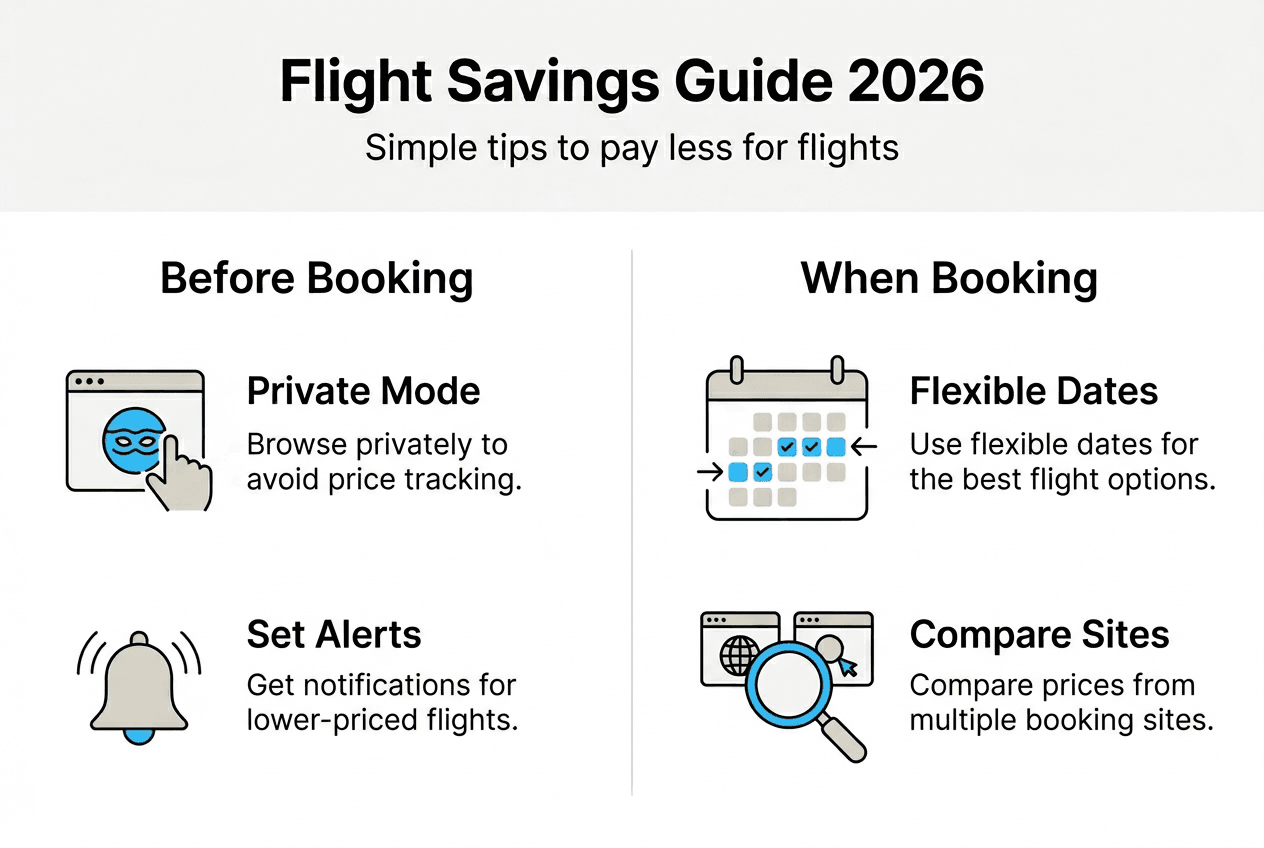
Leverage loyalty programs and credit card points strategically. Many cards offer bonus points on travel purchases or transfer partnerships with airlines. Even without elite status, joining airline loyalty programs gives you access to member-only sales and fare alerts. Time your bookings around promotional periods when airlines compete for market share.
Learn more about direct flight advantages and get detailed information on connecting flights to make informed routing decisions. Understanding the best booking days completes your execution toolkit.
Verification and troubleshooting common booking mistakes
Before clicking “purchase,” verify the total cost meticulously. Advertised fares often exclude baggage fees, seat selection charges, and cancellation penalties. A $150 base fare can balloon to $250 after a checked bag ($35), seat selection ($25), and booking fees ($15). Calculate the true all-in price across all options before deciding.
Recheck prices immediately before finalizing your booking. The dynamic pricing system adjusts constantly, and prices can drop in the minutes between your initial search and checkout. Open a new incognito window and search again. If the price decreased, abandon your cart and rebook at the lower rate.
Common mistakes that cost travelers money:
- Refreshing search pages repeatedly, which signals high interest and triggers price increases
- Ignoring total travel time for ultra-cheap connecting flights with eight-plus-hour layovers
- Booking immediately without comparing at least three platforms
- Overlooking basic economy restrictions like no carry-on bags or advance seat selection
- Failing to check visa requirements and entry fees for connecting cities
Set up fare alerts even after booking. Airlines sometimes reduce prices, and many carriers offer price matching or rebooking credits if fares drop post-purchase. Some credit cards provide price protection that reimburses the difference if prices fall within a specific window.
Pro Tip: Screenshot your search results showing dates, times, and prices before booking. This documentation helps if disputes arise or you need to reference pricing for travel insurance or expense reimbursement.
Consider ticket refundability carefully. Non-refundable fares save money upfront but create risk if plans change. Refundable tickets cost 30% to 50% more but offer flexibility. For uncertain travel, purchasing trip insurance may be cheaper than paying the refundable fare premium. Evaluate your risk tolerance and likelihood of changes before selecting fare types.
Check our comprehensive flight-saving hacks for additional verification strategies and troubleshooting guidance.
Save even more with PilotTravelDeals tips and tools
You’ve mastered the core tricks to find cheap flights, but why stop there? PilotTravelDeals offers expert resources tailored specifically for 2026 travelers seeking maximum savings. Our platform aggregates deals from multiple providers, often revealing discounts up to 80% that individual searches miss.

Combine your flight savings with discounted accommodations by exploring our hotel deals that complement your airfare strategy. Our comparison tools help you evaluate total trip costs, ensuring every dollar stretches further. Access detailed guides on cheap airfare strategies that go beyond basic booking tricks, covering error fares, positioning flights, and advanced routing techniques.
FAQ
What is the best time of year to book cheap flights?
Booking several weeks to months in advance during off-peak seasons typically yields the best prices. For domestic flights, aim for three to six weeks ahead, while international routes benefit from two to three months advance booking. Midweek days like Tuesday or Wednesday often feature lower fares as airlines release deals early in the week.
Do repeated flight searches really increase prices?
Yes, repeated searches can trigger dynamic pricing increases as algorithms detect high purchase intent. Airlines track your searches through cookies and may raise prices to capitalize on perceived urgency. Always use incognito mode or clear your browser cache between searches to avoid this effect.
Are connecting flights always cheaper than direct flights?
No, connecting flights aren’t universally cheaper. While they often cost 15% to 40% less, sometimes direct flights price lower due to competition or carrier strategies. Weigh the time cost against savings, and compare both options systematically. Learn more about direct flight benefits and connecting flight logistics to make informed decisions.
How far in advance should I set fare alerts?
Set fare alerts two to four months before your desired travel dates for international trips and four to eight weeks for domestic routes. This window captures the optimal booking period while giving you time to monitor price trends. Configure alerts on multiple platforms to ensure you catch deals across different booking engines.
Can I get a refund if flight prices drop after booking?
Some airlines offer price matching or rebooking credits if fares decrease post-purchase, though policies vary significantly. Check your airline’s specific terms immediately after booking. Certain credit cards provide price protection benefits that reimburse fare differences within specified timeframes, typically 60 to 90 days after purchase.
Recommended
- Top Tips for Cheap Plane Tickets: Save on Every Flight – PilotTravelDeals.com
- Best Tips for Cheap Flights: Save More on Airfare – PilotTravelDeals.com
- 7 Smart Ways to Find Cheap Domestic Flights Easily – PilotTravelDeals.com
- Top Tips to Book Cheap Flight Tickets Easily – PilotTravelDeals.com
- How to Plan a Namibia Safari in 2025: 5 Simple Steps with Secret Namibia

