Staying safe while traveling on a tight budget can feel overwhelming, but it doesn’t have to drain your wallet or dampen your adventure. Budget travelers face unique challenges, from navigating unfamiliar cities to avoiding costly mistakes that compromise security. A well-structured safety checklist helps you manage risks effectively without overspending, ensuring peace of mind throughout your journey. Whether you’re a solo adventurer exploring new territories, a family planning an affordable vacation, or a travel enthusiast seeking cost-effective experiences, this guide delivers practical safety tips tailored to your needs. By focusing on awareness, preparation, and smart choices, you can protect yourself and your loved ones while keeping expenses under control.
Table of Contents
- Essential Criteria For An Effective Travel Safety Checklist
- Personal Security And Theft Prevention Tips
- Transport Safety: Avoiding Accidents And Scams
- Safe Accommodations And Digital Security Checklist Items
- Plan Your Safe And Affordable Trip With PilotTravelDeals.com
- Frequently Asked Questions
Key takeaways
| Point | Details |
|---|---|
| Common risks require awareness | Travel safety centers on recognizing threats like theft, scams, and accidents before they occur. |
| Checklists prevent costly issues | A structured approach helps you avoid pickpocketing, fraud, and emergency expenses systematically. |
| Budget safety means smart preparation | Effective protection doesn’t require expensive gear, just thoughtful planning and vigilance. |
| Vehicle accidents lead overseas deaths | Motor vehicle incidents cause more American traveler deaths abroad than any other threat. |
| High-risk cities demand extra caution | Paris, Rome, and Barcelona top the list for pickpocketing, requiring tailored security measures. |
Essential criteria for an effective travel safety checklist
Building a practical safety checklist starts with understanding the real threats budget travelers face. Motor vehicle accidents cause most American deaths overseas, making transport safety your top priority. Your checklist must address this reality alongside other common risks like theft, scams, and health emergencies. The goal is creating affordable yet effective protection that fits within limited budgets.
Your checklist should include these core elements:
- Personal security measures for protecting valuables and avoiding theft
- Local transport safety protocols for vehicles, taxis, and public transit
- Scam awareness strategies for recognizing and avoiding common frauds
- Health precautions including basic first aid and emergency contacts
- Digital security steps for protecting devices and personal data
Adapt your checklist based on destination risks and your traveler profile. Solo adventurers need different precautions than families with children. Research your specific destination’s crime statistics, common scams, and transportation safety records before finalizing your list. A comprehensive travel planning checklist helps you organize these elements systematically.
Pro Tip: Create digital copies of your passport, insurance cards, and emergency contacts stored in cloud services. This costs nothing but provides crucial backup if physical documents are lost or stolen. Share these copies with a trusted contact at home for additional security.
The most effective checklists balance thoroughness with practicality. Focus on high-impact, low-cost measures that address the most likely threats. Avoid overcomplicating your list with expensive gear or excessive precautions that create stress rather than security. Your travel safety foundation should feel manageable, not overwhelming, allowing you to enjoy your trip while staying protected.
Personal security and theft prevention tips
Theft ranks among the most common threats budget travelers face, but smart precautions dramatically reduce your risk without breaking the bank. Understanding where and how theft occurs helps you stay one step ahead of criminals targeting tourists.
Follow these theft prevention steps in order:
- Secure valuables before leaving accommodations using hotel safes or hidden compartments in luggage
- Carry only essential items when exploring, leaving unnecessary cards and cash locked away
- Stay vigilant in crowded areas like markets, public transit, and tourist attractions where thieves operate
- Avoid displaying wealth through expensive jewelry, cameras, or designer bags that attract attention
- Keep bags closed and positioned in front of your body in high-risk areas
- Use crossbody bags with slash-resistant straps rather than easily grabbed purses or backpacks
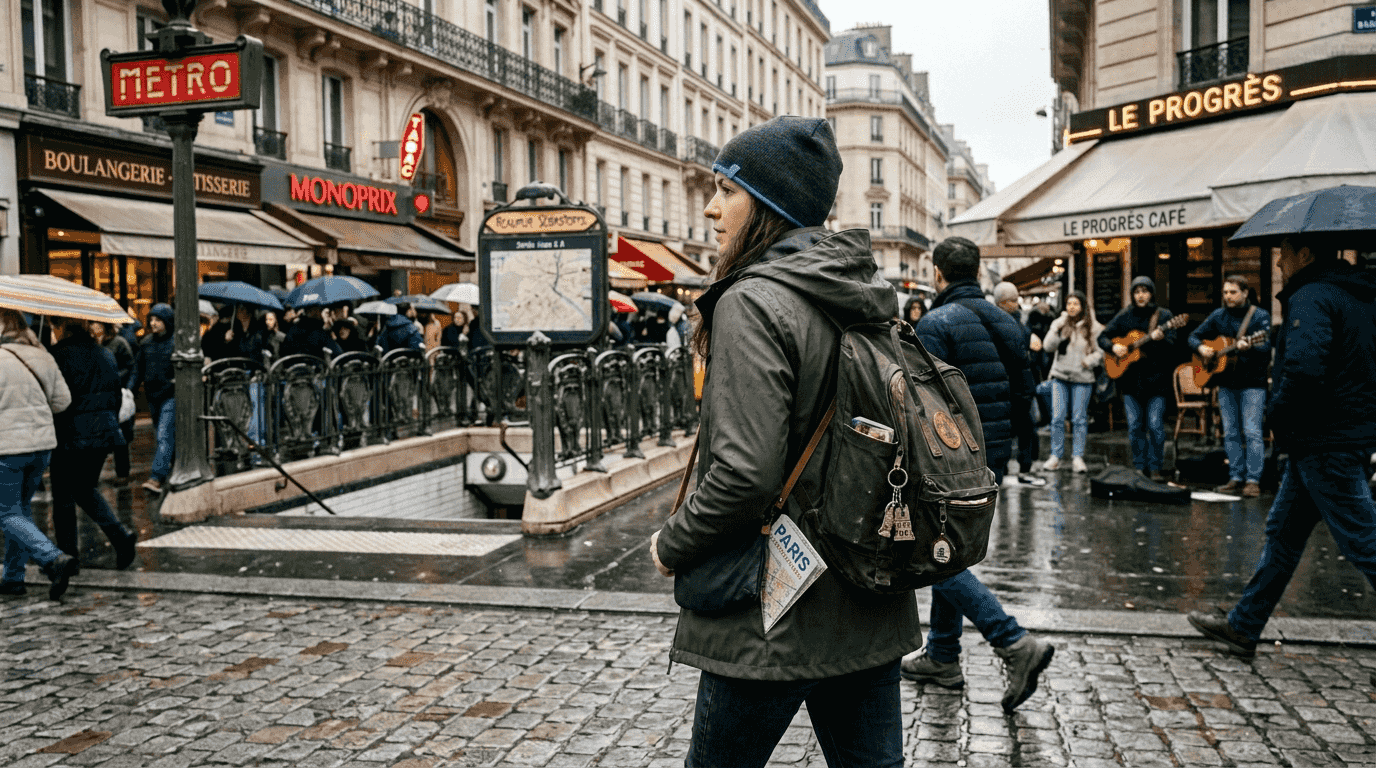
Paris accounts for 16.5% of pickpocketing incidents globally, earning its reputation as the pickpocket capital. Rome follows at 10.7% and Barcelona at 5.3%, making these European destinations particularly risky for unaware travelers. The following table shows theft patterns in major cities:
| City | Theft Percentage | Primary Method | High-Risk Areas |
|---|---|---|---|
| Paris | 16.5% | Pickpocketing | Metro stations, Eiffel Tower |
| Rome | 10.7% | Distraction theft | Colosseum, Trevi Fountain |
| Barcelona | 5.3% | Bag snatching | Las Ramblas, beaches |
| Madrid | 4.8% | Pickpocketing | Plaza Mayor, Gran Via |
Common scams target budget travelers specifically. Fake charity petitions near tourist sites collect signatures while accomplices steal from distracted victims. Friendship bracelet sellers forcibly tie items on wrists then demand payment. Taxi drivers quote inflated fares or take unnecessarily long routes. Street currency exchangers offer attractive rates but use sleight of hand or counterfeit bills.
Pro Tip: Money belts worn under clothing provide secure, affordable storage for cash and documents. These cost under $15 but offer protection worth far more, keeping essentials hidden from opportunistic thieves.
Blending in reduces your target profile significantly. Dress like locals rather than obvious tourists. Study maps before leaving accommodations instead of consulting them conspicuously on streets. Walk confidently even in unfamiliar areas, as hesitant behavior signals vulnerability. Family travelers should establish meeting points and keep children close in crowded spaces. When booking European accommodations, choose locations in safer neighborhoods even if slightly more expensive, as the security trade-off justifies modest cost increases. Planning weekend trips requires the same vigilance as longer journeys.
Transport safety: avoiding accidents and scams
Transportation poses the greatest mortality risk for travelers abroad, demanding serious attention in your safety checklist. Smart transport choices protect both your life and your budget from preventable disasters.
Implement these transport safety measures consistently:
- Choose licensed, reputable transport providers with verified safety records and insurance
- Always use seat belts in vehicles and helmets on motorcycles or bikes
- Avoid traveling at night on unfamiliar roads or in areas with poor lighting
- Research local driving conditions and traffic laws before renting vehicles
- Verify driver credentials and vehicle condition before accepting rides
- Keep emergency numbers and your accommodation address readily accessible
The severity of transport risks cannot be overstated:
Motor vehicle accidents are the most common cause of death of Americans overseas.
This CDC finding emphasizes why transport safety deserves priority over other concerns. Even budget-conscious travelers must allocate funds for safe transportation options. Saving a few dollars on a questionable taxi or unlicensed driver isn’t worth the catastrophic consequences of an accident.
Transport scams drain budgets and compromise safety simultaneously. Taxi overcharging remains prevalent in tourist areas worldwide. Drivers quote inflated flat rates, refuse to use meters, or take circuitous routes to inflate fares. In some cities, unlicensed drivers pose as legitimate taxis, offering rides that end in theft or worse. Orlando sees robbery in 12.5% of incidents, while Delhi reports fraud in 7.9% of cases, highlighting regional scam variations.
Ride-sharing apps provide safer alternatives in many destinations, offering transparent pricing and driver accountability. However, verify you’re entering the correct vehicle by checking license plates and driver photos. Some scammers impersonate ride-share drivers to target unsuspecting passengers.
Travel insurance covering medical evacuation and accident-related expenses provides crucial protection for budget travelers. Policies cost less than most people expect, often under $50 for short trips, but deliver invaluable coverage if accidents occur. Keep local emergency numbers programmed in your phone, including police, ambulance, and your country’s embassy contacts. International travel preparation should always include this information.
For business travelers, transport safety becomes even more critical when managing tight schedules and unfamiliar locations. Never let time pressure compromise safety decisions. Missing a meeting beats risking your life in unsafe transport.
Safe accommodations and digital security checklist items
Your accommodation choice significantly impacts overall trip safety, yet budget constraints shouldn’t force you into dangerous situations. Similarly, digital security protects your financial information and personal data from cyber threats that target travelers.
Accommodation safety requires these precautions:
- Research neighborhood safety through recent reviews and crime statistics before booking
- Verify secure locks on doors and windows, requesting room changes if inadequate
- Check review authenticity by reading detailed accounts rather than just star ratings
- Choose ground floor rooms only if they have secure window locks and good visibility
- Store valuables in room safes or at reception desks when available
- Keep your room number private, never announcing it publicly in lobbies or elevators
Budget accommodation types offer varying safety levels and amenities:
| Type | Safety Features | Typical Amenities | Average Cost | Best For |
|---|---|---|---|---|
| Hostels | Shared spaces, lockers, 24-hour staff | Common areas, kitchens, social activities | $15-$40/night | Solo travelers, social experiences |
| Guesthouses | Private rooms, family-run, local knowledge | Basic rooms, breakfast, personal service | $30-$70/night | Couples, cultural immersion |
| Budget Hotels | Private rooms, standard security, chain reliability | Private bath, TV, basic toiletries | $50-$100/night | Families, consistent standards |
| Vacation Rentals | Full apartments, residential areas, privacy | Kitchen, laundry, living space | $40-$120/night | Groups, longer stays |
When searching for European hotel deals, prioritize verified properties with substantial review histories. Scam listings with stolen photos and fake reviews proliferate on some platforms, so cross-reference properties across multiple booking sites.
Digital security protects your financial accounts and personal information from cybercriminals targeting travelers. Public Wi-Fi networks in cafes, hotels, and airports lack encryption, allowing hackers to intercept data. Virtual Private Networks (VPNs) encrypt your internet connection, preventing this interception. Quality VPN services cost under $10 monthly and protect all your devices.
Implement these digital security measures:
- Enable two-factor authentication on all financial and email accounts before traveling
- Avoid accessing banking sites on public Wi-Fi, even with VPN protection when possible
- Keep devices updated with latest security patches and antivirus software
- Use strong, unique passwords for each account, stored in encrypted password managers
- Back up important data to cloud storage before departure
- Disable automatic Wi-Fi connection to prevent joining malicious networks
- Cover ATM keypads when entering PINs to prevent camera or shoulder surfing theft
Pro Tip: Purchase a local SIM card for secure mobile data instead of relying on public Wi-Fi. These typically cost $10-$30 for tourist plans with adequate data, providing safe internet access throughout your trip without expensive roaming charges.
Monitor your bank accounts daily while traveling to catch fraudulent charges immediately. Set up transaction alerts via text or email so you’re notified of every purchase. This vigilance helps you dispute charges quickly if your card information is compromised.
Plan your safe and affordable trip with PilotTravelDeals.com
Now that you’ve built a comprehensive safety checklist, finding budget-friendly travel options that don’t compromise security becomes your next priority. PilotTravelDeals.com specializes in connecting safety-conscious travelers with affordable deals that support smart trip planning.
Our platform helps you discover secure hotel accommodations in safe neighborhoods worldwide, with verified reviews and transparent pricing. You’ll find properties that balance affordability with the security features your checklist requires. We aggregate cheap airfare options from reputable carriers, ensuring you don’t sacrifice safety for savings. Our travel SIM card marketplace provides secure mobile connectivity options that keep you connected without expensive roaming fees or risky public Wi-Fi dependence. By combining your new safety knowledge with our curated travel deals, you can plan trips that protect both your wellbeing and your wallet. Explore PilotTravelDeals.com today to start building your next safe, affordable adventure with confidence.
Frequently asked questions
What should I include in a travel safety checklist for solo travel?
Your solo travel checklist must include personal security gear like money belts and door wedges, emergency contacts for local police and your embassy, safe transport provider information, and budget-friendly health precautions such as basic first aid supplies. Keep digital backups of all important documents in cloud storage and share your complete itinerary with trusted contacts at home who can verify your safety regularly. Solo travelers should also research destination-specific risks and pack appropriate safety items based on those threats.
How can families stay safe while traveling on a budget?
Families should choose accommodations with strong security reviews and family-friendly features like multiple room locks and safe neighborhoods. Plan group activities that keep everyone together, establish simple emergency plans that even young children understand, and designate meeting points if anyone gets separated. Use family travel booking strategies that prioritize safety without excessive costs, and teach children basic safety awareness appropriate to their ages. Budget constraints shouldn’t compromise core safety measures like secure lodging and reliable transportation.
What are common travel scams and how to avoid them?
Be wary of unsolicited offers including friendship bracelets, fake charity petitions, and overly friendly strangers offering help with directions or photos. An estimated 9.4 million tourists experienced scams in the past five years, making awareness essential. Verify taxi fares upfront and insist on metered rates, avoid street currency exchanges entirely, and stay informed about scams common in your specific destination through recent traveler reviews. Maintain situational awareness to recognize distraction techniques thieves use, and trust your instincts when situations feel wrong. When booking European hotels, verify listings across multiple platforms to avoid fake properties.
How much should budget travelers spend on safety measures?
Allocate 5-10% of your total trip budget specifically for safety measures including travel insurance, secure accommodations, reliable transportation, and basic security gear. This investment prevents far costlier problems like medical emergencies, theft replacement, or accident-related expenses. Many effective safety measures cost nothing, such as staying vigilant, researching destinations thoroughly, and maintaining digital document backups. Prioritize spending on high-impact items like insurance and safe transport over expensive gear.
Do I need special insurance for budget travel safety?
Yes, travel insurance provides essential protection that budget travelers especially need since unexpected expenses can devastate limited funds. Policies covering medical emergencies, evacuation, trip cancellation, and theft typically cost under $50 for short trips but deliver coverage worth thousands. Choose policies matching your specific activities and destinations, as some exclude certain sports or regions. Read policy details carefully to understand coverage limits, deductibles, and claim procedures before purchasing.
Recommended
- 7 Proven Budget Travel Tips 2025 for Smart Savings – PilotTravelDeals.com
- 7 Smart Steps for an Effective Cheap Travel Checklist – PilotTravelDeals.com
- 10 Essential Budget Travel Tips for Smart Travelers – PilotTravelDeals.com
- 7 Essential Steps for Your Travel Planning Checklist – PilotTravelDeals.com
- 8 Essential Tips for a Perfect Costa Rica Travel Checklist