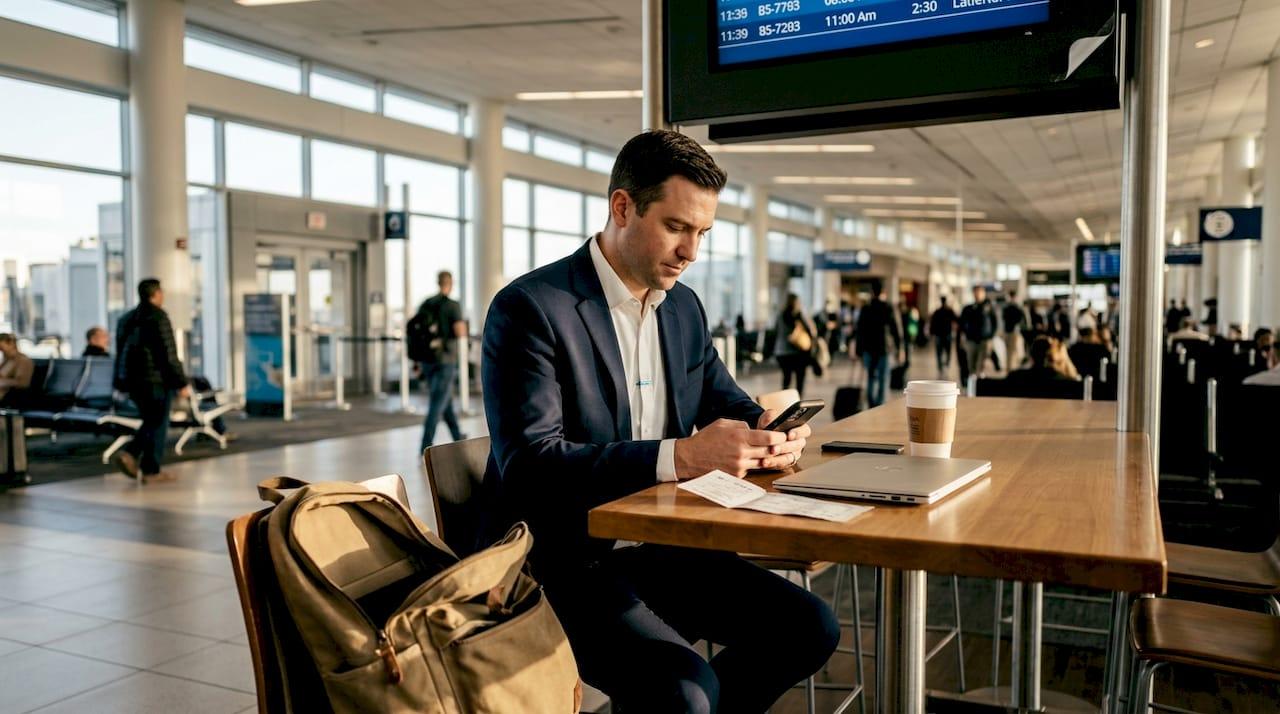
Business travel is changing faster than most corporate planners realize. The old playbook of booking the cheapest flight and nearest hotel no longer delivers optimal results. In 2025, emerging trends driven by technology, sustainability, and flexible work models are reshaping how companies approach travel management. Understanding these shifts helps you cut costs while improving employee productivity and satisfaction. This guide explores the key trends transforming business travel and shows you how to leverage them for maximum efficiency and savings.
Table of Contents
- Key takeaways
- Technology shaping business travel efficiency
- Sustainable travel practices influencing corporate decisions
- Flexible accommodations and evolving traveler expectations
- Maximizing savings with evolving loyalty and discount programs
- How PilotTravelDeals.com supports your business travel needs
- Frequently asked questions
Key Takeaways
| Point | Details |
|---|---|
| Tech drives efficiency | Mobile apps and AI tools centralize trip data, provide real time updates, optimize booking times, and forecast price shifts to save time and money. |
| International connectivity fixes | International SIM cards help travelers avoid roaming charges and stay productive across borders. |
| Smart hotel tech | Hotels now offer keyless entry, smartphone controlled room settings, and automated check in to speed transitions. |
| Sustainable travel shift | Sustainability has become essential, with eco certified hotels attracting bookings and carbon footprint tracking guiding lower impact options. |
| Cost savings planning | Smart planning and leveraging discounts drive significant cost savings for travel programs. |
Technology shaping business travel efficiency
Mobile applications have transformed how business travelers manage trips. Instead of juggling multiple confirmations and itineraries, you can now consolidate everything into a single platform. Real-time updates alert you to gate changes, delays, and alternative routes before you reach the airport. This centralization saves hours of coordination time and reduces the stress of last-minute changes.
AI-powered tools analyze your travel patterns to suggest optimal booking times and routes. These systems learn your preferences, budget constraints, and schedule requirements to recommend the most efficient options. Some platforms even predict price fluctuations, alerting you when to book for maximum savings. The result is smarter spending without sacrificing convenience.
Connectivity remains a critical challenge for international business travelers. Poor communication infrastructure can derail deals and delay decisions. International sim cards eliminate roaming charges while maintaining reliable connections across borders. You stay productive without hunting for WiFi or managing multiple local carriers.
Key technology tools for 2025:
- Integrated travel management platforms combining flights, hotels, and ground transportation
- Expense tracking apps with automatic receipt capture and categorization
- Virtual meeting software reducing the need for certain trips entirely
- Biometric security systems speeding up airport processing
Pro Tip: Download offline maps and essential documents before departure. Even with reliable connectivity solutions, having backup access to critical information prevents disruptions when networks fail.
Technological advancements have enhanced the guest experience for corporate hotel guests in 2025. Properties now offer keyless entry, personalized room settings controlled via smartphone, and automated check-in processes. These features reduce wait times and create seamless transitions between travel segments. The integration of technology into every touchpoint means less friction and more time focused on business objectives.
Sustainable travel practices influencing corporate decisions
Environmental responsibility has moved from optional to essential in corporate travel policies. Companies face increasing pressure from stakeholders, employees, and customers to reduce their carbon footprint. This shift affects every aspect of trip planning, from destination selection to accommodation choices. Businesses that ignore sustainability risk reputational damage and lose talent to competitors with stronger environmental commitments.
Eco-certified hotels attract the majority of corporate bookings in 2025. These properties demonstrate verifiable sustainability practices through third-party certifications like LEED or Green Key. Features include energy-efficient systems, water conservation programs, waste reduction initiatives, and locally sourced amenities. Choosing certified accommodations aligns with corporate social responsibility goals while often delivering cost savings through operational efficiency.
Carbon footprint tracking tools help companies measure and manage travel emissions. Many organizations now set annual reduction targets and require travelers to select lower-impact options when available. This might mean choosing direct flights over connections, trains instead of planes for shorter routes, or virtual meetings when travel is not essential. The data collected informs future policy decisions and demonstrates progress toward sustainability commitments.
Sustainable practices reshaping business travel:
- Preference for hotels with renewable energy sources and waste reduction programs
- Selection of airlines with newer, fuel-efficient fleets and carbon offset options
- Use of electric or hybrid vehicles for ground transportation
- Digital documentation replacing printed materials
Environmentally responsible hospitality practices are influencing business travel decisions in 2025. Corporate travelers increasingly demand transparency about environmental impact and favor providers with strong sustainability credentials.
Employee preferences drive corporate green policies as much as external pressure. Surveys show business travelers prefer companies that prioritize environmental responsibility. This preference affects recruitment and retention, making sustainability a competitive advantage. Forward-thinking organizations recognize that green travel policies attract top talent while reducing costs through efficiency improvements.
Flexible accommodations and evolving traveler expectations
The traditional hotel model no longer fits every business travel scenario. Remote work capabilities and hybrid schedules have created demand for accommodations that function as temporary offices, not just sleeping quarters. Properties responding to this shift offer dedicated workspace, reliable high-speed internet, and amenities supporting extended stays. This evolution reflects fundamental changes in how and where work happens.
| Feature | Traditional Hotel | Flexible Workspace Hotel |
|---|---|---|
| Primary focus | Sleeping comfort | Work productivity |
| Workspace | Small desk, limited outlets | Ergonomic setup, multiple monitors supported |
| Internet | Standard WiFi | Enterprise-grade connectivity |
| Stay duration | 1-3 nights | 1-4 weeks |
| Amenities | Gym, pool, restaurant | Coworking spaces, meeting rooms, kitchen |
Extended stay accommodations have grown significantly as companies adopt distributed teams. These properties blend hotel services with apartment-style living, offering full kitchens, separate living areas, and laundry facilities. For trips lasting a week or more, they provide better value and comfort than traditional hotels. The ability to prepare meals and maintain routines reduces travel fatigue and improves productivity.
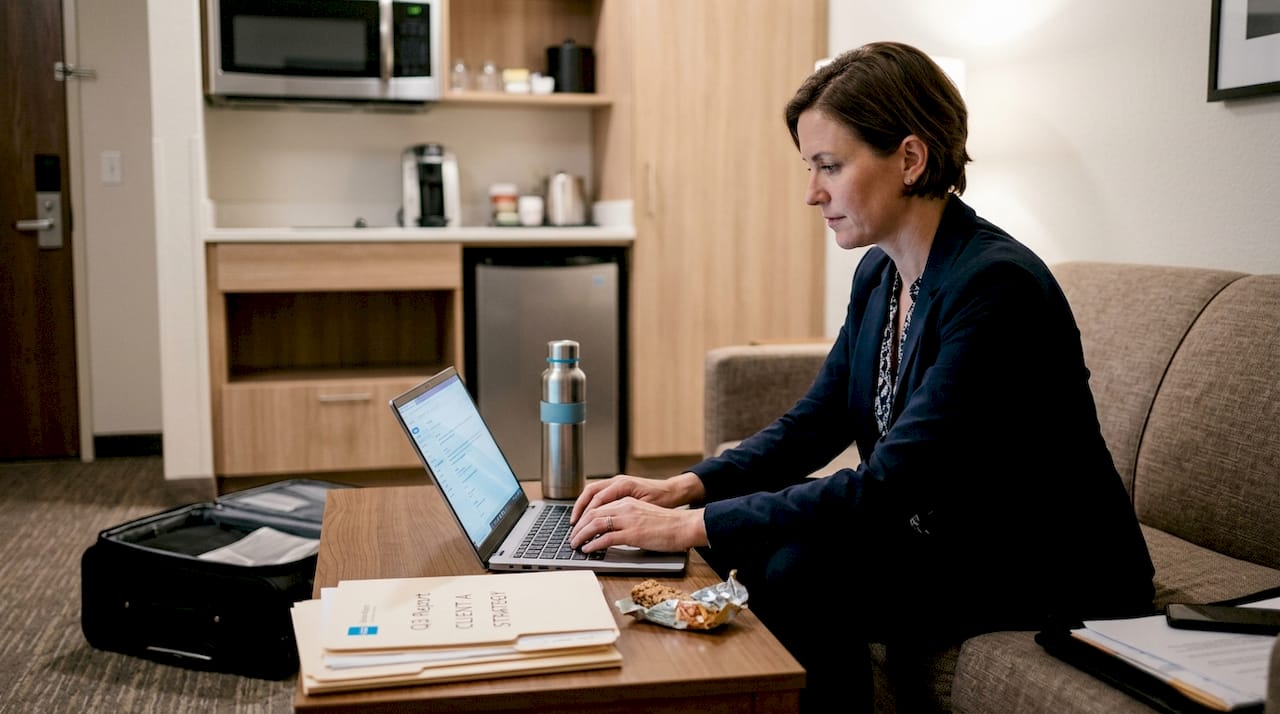
Hybrid-purpose accommodations cater specifically to the blurred lines between business and leisure travel. Many professionals now extend work trips to explore destinations, a trend called “bleisure” travel. Properties accommodating this pattern offer flexible check-in times, local experience packages, and spaces suitable for both focused work and relaxation. This flexibility helps companies attract employees to necessary travel by making trips more appealing.
The growth of remote work options and flexible hotel spaces is a notable trend for business travelers in 2025. Tech teams particularly benefit from accommodations designed for collaboration, with meeting rooms equipped for video conferencing and breakout spaces for brainstorming sessions. These environments support the way modern teams actually work, not how they worked a decade ago.
Pro Tip: When booking accommodations for stays longer than five nights, negotiate weekly rates directly with properties. Many hotels offer significant discounts for extended bookings that are not advertised on standard booking platforms. Combine this with essential hotel booking tips to maximize savings.
Maximizing savings with evolving loyalty and discount programs
Loyalty programs have undergone major revisions to better serve business travelers. Traditional points systems that rewarded volume over value have been replaced with tiered benefits emphasizing flexibility and choice. Modern programs offer status matches, family pooling options, and partnerships extending beyond hospitality to include airlines, car rentals, and dining. These changes make it easier to accumulate and use rewards effectively.
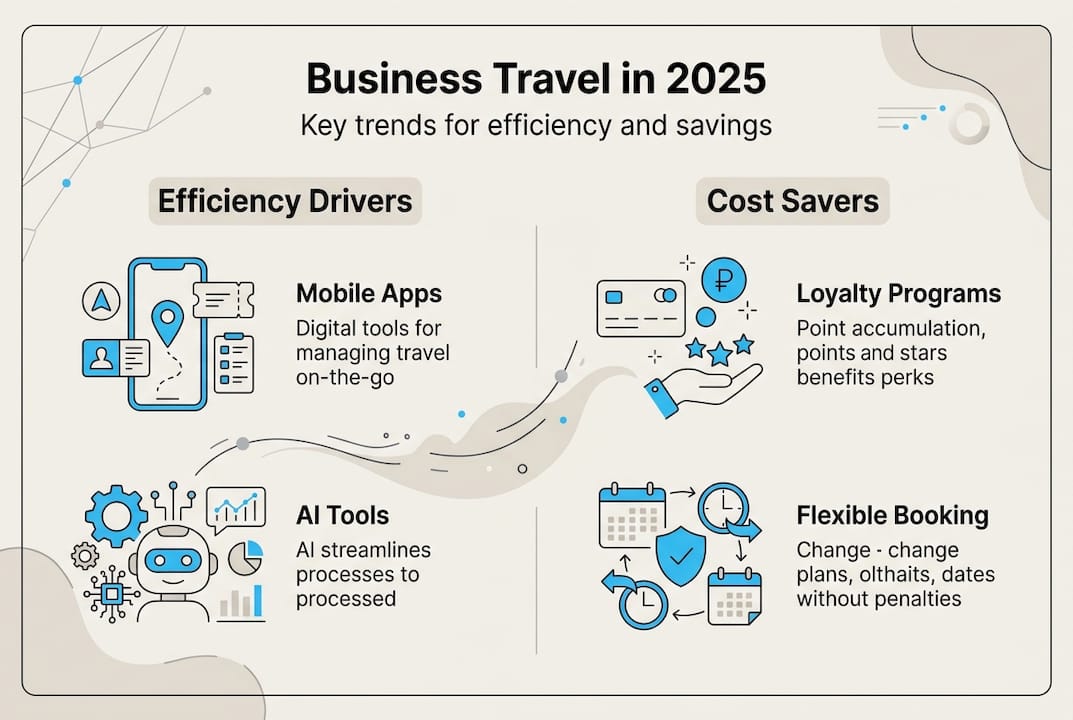
Corporate discount programs deliver substantial savings when properly leveraged. Companies negotiating directly with hotel chains and airlines secure rates significantly below public prices. The key is consolidating travel spend with preferred vendors to increase negotiating power. Even small businesses can access group rates by joining consortia or using corporate travel management platforms that aggregate demand.
Strategic approaches to maximize loyalty benefits:
- Concentrate bookings with 2-3 preferred hotel chains to reach elite status faster
- Use co-branded credit cards strategically to earn bonus points on travel purchases
- Book during promotional periods offering double or triple points
- Combine points with corporate discounts when programs allow stacking
- Transfer points between partner programs to access better redemption values
Hospitality loyalty and rewards programs aimed at business travelers have evolved significantly by 2025. Programs now offer instant upgrades, guaranteed room availability, and flexible cancellation policies recognizing that business plans change frequently. These benefits reduce travel stress and provide tangible value beyond basic point accumulation.
| Discount Type | Average Savings | Best For | Booking Window |
|---|---|---|---|
| Corporate negotiated rates | 15-25% | Regular travelers to same destinations | Anytime |
| Advance purchase | 20-40% | Trips with confirmed dates 30+ days out | 30-90 days ahead |
| Group bookings | 10-30% | Teams traveling together | 60+ days ahead |
| Last-minute deals | 25-50% | Flexible schedules | 24-72 hours before |
| Loyalty member rates | 10-20% | Frequent travelers with status | Anytime |
Understanding when and how to apply different discount strategies separates savvy travel managers from those leaving money on the table. Maximizing business travel benefits requires tracking multiple programs and knowing which combination delivers optimal value for each trip. The effort invested in learning these systems pays dividends through reduced travel budgets and improved employee experiences.
Flight discounts require particular attention as airfare typically represents the largest travel expense. Techniques for securing flight discounts in 2025 include flexible date searching, alternate airport comparisons, and leveraging mistake fares. Setting price alerts and monitoring fare trends helps identify the optimal booking moment. Combining these tactics with loyalty program benefits and corporate discounts can reduce airfare costs by 30-50% compared to last-minute bookings at standard rates.
How PilotTravelDeals.com supports your business travel needs
Navigating the evolving business travel landscape requires reliable resources and tools. The trends outlined above create opportunities for significant savings, but only if you can access the right options at the right time. PilotTravelDeals.com simplifies this process by aggregating deals across multiple providers and offering specialized services for business travelers.
Staying connected internationally no longer means accepting expensive roaming charges. Our international sim card options provide reliable connectivity in over 150 countries at a fraction of traditional carrier costs. Whether you need data for a quick trip or voice and text for extended assignments, we have solutions fitting every business travel scenario.
Flexible hotel booking options match the diverse accommodation needs discussed throughout this guide. From traditional business hotels to extended stay properties with full workspaces, our platform compares rates across providers to ensure you get the best value. Filter by amenities like meeting rooms, coworking spaces, and sustainability certifications to find properties aligning with your specific requirements. Expert guides on securing flight discounts help you apply the strategies that deliver real savings on every trip.
Frequently asked questions
What are the biggest business travel trends for 2025?
The dominant trends include technology integration for streamlined booking and communication, sustainable travel practices driven by corporate responsibility, flexible accommodations supporting remote work models, and evolved loyalty programs offering better business traveler rewards. These trends collectively reshape how companies plan and execute travel while reducing costs and improving employee experiences. Adapting to these changes separates efficient travel programs from outdated approaches that waste money and time.
How can technology improve business travel efficiency in 2025?
Technology centralizes trip management through integrated platforms handling flights, hotels, and ground transportation in one interface. Mobile apps provide real-time updates and AI tools optimize schedules by analyzing patterns and predicting price fluctuations. Connectivity solutions like international sim cards eliminate communication barriers, while biometric security and keyless hotel entry reduce processing time. These innovations collectively save hours per trip and significantly lower operational friction.
What sustainable practices should corporate travelers adopt?
Prioritize eco-certified hotels with verified environmental programs including renewable energy, water conservation, and waste reduction initiatives. Select transportation options with lower carbon footprints such as direct flights, fuel-efficient aircraft, trains for shorter routes, and electric ground vehicles. Use carbon tracking tools to measure impact and set reduction targets. Choose digital documentation over printed materials and support properties with strong local sourcing commitments. These practices align with corporate responsibility goals while often reducing costs through efficiency.
How do loyalty programs and discounts save money on business trips?
Modern loyalty programs offer tiered benefits including room upgrades, flexible cancellations, and guaranteed availability that provide value beyond basic points. Corporate negotiated rates deliver 15-25% savings by consolidating spend with preferred vendors. Advance purchase discounts can reduce costs by 20-40% when trip dates are confirmed early. Group bookings for teams traveling together yield 10-30% savings. Strategic combination of these approaches, along with co-branded credit cards earning bonus points, can reduce total travel expenditure by 30-50% compared to booking standard rates at the last minute.
Recommended
- 7 Smart Ways to Maximize Business Travel Benefits – PilotTravelDeals.com
- 7 Best Practices for Efficient Business Trip Planning – PilotTravelDeals.com
- Corporate Travel Savings: Maximizing Company Budgets – PilotTravelDeals.com
- Business Travel Budgeting Process: Maximizing Savings – PilotTravelDeals.com
- Group travel to Israel: 15-25% cost savings for Bar Mitzvah trips